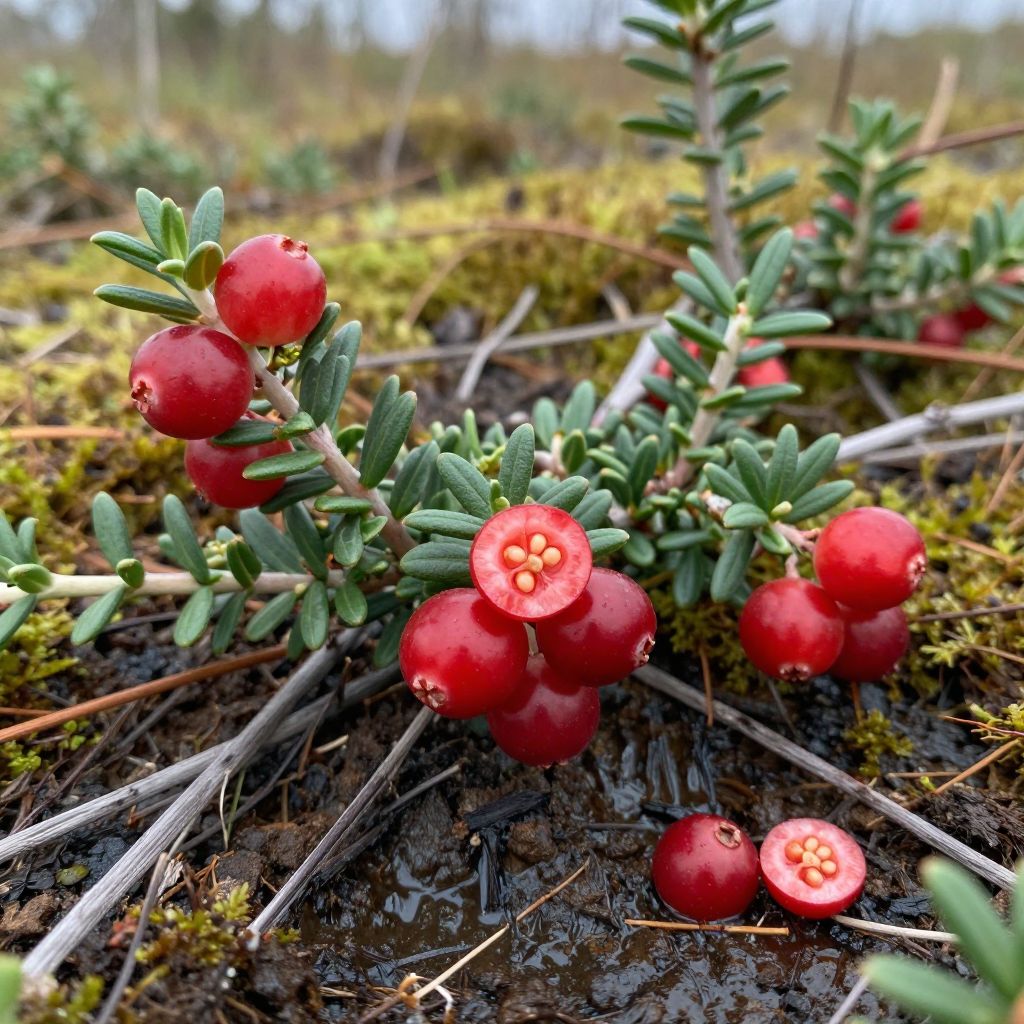
Do cranberries have seeds? Yes—cranberries do contain tiny seeds inside each berry, and those seeds are part of how the plant reproduces. If you are growing cranberries, though, seeds are usually not the easiest or fastest way to start plants.
For most home gardeners, cranberry plants are grown from cuttings or established nursery plants because they root and establish more reliably. Understanding the seeds, soil needs, and growing habits will help you decide whether to sow, propagate, or simply care for an existing cranberry patch.
Do cranberries have seeds?
Cranberries do have seeds, usually several small seeds embedded in the fruit’s flesh. The seeds are edible, but they are so tiny that most people barely notice them. In the garden, cranberries are more commonly propagated by cuttings or divisions than by seed because seedlings grow slowly and may not come true to the parent plant.
What cranberry seeds are like
Cranberry seeds are small, hard, and found inside the berry. They are not like the large, obvious seeds you might see in a tomato or squash, so many gardeners assume cranberries are seedless.
Why you rarely notice them
- The seeds are very small and often hidden in the pulp.
- Commercial berries may be harvested before they are fully ripe for fresh eating, which makes the seeds less noticeable.
- Processed cranberries are often chopped, cooked, or dried, so the seeds blend into the texture.
Do cranberry seeds grow true?
Not always. Seed-grown cranberries can vary from the parent plant, which matters if you want a specific berry size, flavor, or growth habit. That is one reason gardeners usually prefer vegetative propagation for reliable results.
How cranberries are usually grown in home gardens
Most gardeners grow cranberries from rooted cuttings, plugs, or established plants rather than from seed. Cranberries are low, trailing shrubs that spread by runners, and they perform best when planted in conditions that match their natural preference for acidic, consistently moist soil.
Best planting material for beginners
- Rooted cuttings for a dependable start
- Nursery plants if you want faster establishment
- Seed only if you enjoy experimentation and patience
Growing cranberries from seed: what to expect
If you want to try growing cranberries from seed, expect a slow process. Seeds often need a period of cold, moist conditions before they germinate, and seedlings may take a long time to become productive. This is a project for patient gardeners rather than the fastest route to a harvest.
Basic seed-starting approach
- Remove seeds from ripe berries and rinse away pulp.
- Keep the seeds moist, not wet, during any cold treatment they may need.
- Sow in a fine, acidic seed-starting mix.
- Maintain steady moisture and bright light.
- Transplant only after seedlings are well rooted and strong enough to handle.
Because cranberry seed germination can be uneven, do not expect every seed to sprout. A small batch may produce only a few viable seedlings, and those seedlings may need extra time before they are ready for the garden.
Ideal growing conditions for cranberries
Cranberries are not difficult once you understand their preferences, but they are particular. They need acidic soil, consistent moisture, and good light. Poor drainage, alkaline soil, or drying out can quickly weaken plants.
Soil
Cranberries grow best in acidic, organic-rich soil that holds moisture without becoming stagnant. A sandy peat-based mix or a raised bed amended with acidic organic matter is often more manageable than heavy clay.
- Target acidic conditions; cranberries dislike alkaline soil.
- Use organic matter that improves moisture retention.
- Avoid compacted soil that stays waterlogged for long periods.
Drainage
Good drainage matters even though cranberries like moisture. The roots should stay evenly damp, not submerged in sour, stagnant water. If your soil is heavy, consider a raised bed or berm so excess water can move away from the root zone.
Sunlight
Full sun usually gives the best flowering and fruiting. In very hot climates, a site with morning sun and light afternoon protection may reduce stress, especially if the soil tends to dry quickly.
Water
Cranberries need consistent moisture, especially during establishment and fruit development. The soil should feel damp like a wrung-out sponge, not dry and dusty. If you grow them in containers or raised beds, check moisture more often because those systems dry faster.
How to plant cranberries successfully
Whether you start with a seedling or a nursery plant, the planting site should be prepared carefully. Cranberries are long-lived plants, so correcting soil problems before planting saves a lot of trouble later.
Step-by-step planting guide
- Choose a sunny site with acidic, moisture-retentive soil.
- Remove weeds thoroughly; cranberries dislike competition.
- Work in organic matter to improve texture and moisture balance.
- Set plants at the same depth they were growing before.
- Water well after planting and keep the soil evenly moist.
- Mulch lightly to help conserve moisture and suppress weeds.
Spacing and growth habit
Cranberries spread by runners, so give them room to creep. Crowding can reduce airflow and increase disease pressure. If you are planting several, leave enough space for spreading growth and future maintenance.
Care tips for healthy cranberry plants
Once established, cranberries are fairly low-maintenance, but they still need regular attention. The biggest care goals are steady moisture, weed control, and keeping the planting bed healthy without overfeeding the plants.
Mulching
Use mulch to help keep roots cool and the soil evenly moist. Pine needles, fine bark, or other acidic organic mulches can work well if they fit your local conditions. Avoid piling mulch against the stems.
Fertilizing
Use fertilizer cautiously. Too much fertilizer can push leafy growth at the expense of fruit and can stress plants already adapted to lean, acidic soil. If you fertilize, choose a product appropriate for acid-loving plants and follow local soil-test guidance rather than guessing.
Pruning and runner management
Cranberries spread by runners, which can be useful in a patch but messy if left unchecked. Light pruning or trimming of overly long runners can help keep the bed manageable and encourage healthier growth.
- Remove dead or damaged stems as needed.
- Thin overly dense growth if airflow becomes poor.
- Keep runners from invading paths or neighboring beds.
Common cranberry problems and how to fix them
Many cranberry issues come from the wrong soil or moisture balance. If plants look weak, check the growing conditions first before reaching for a treatment.
Yellowing leaves
Yellow leaves can signal poor soil pH, nutrient imbalance, or roots that are too wet. Test the soil if possible and review drainage and watering habits. In many cases, correcting the site is more effective than adding more fertilizer.
Poor fruiting
If plants grow leaves but make few berries, they may need more sun, better pollination, or less nitrogen. Overly lush growth often means the plant is putting energy into vines instead of fruit.
Drying out
Cranberries dislike drought stress. If the top layer dries quickly, increase mulch, check irrigation coverage, and make sure the bed is not too shallow or exposed to harsh wind.
Root rot and decline
Excessive water and poor drainage can lead to root problems. If the site stays soggy for long periods, improve drainage or move plants to a better bed rather than continuing to water the same way.
Pests and diseases to watch for
Cranberries can face the usual garden pests and fungal issues, especially when conditions are too crowded or too wet. Good spacing, clean beds, and proper watering reduce many problems before they start.
- Fungal diseases are more likely in damp, poorly ventilated plantings.
- Insects may chew leaves or stress young plants.
- Birds can peck ripening fruit in some gardens.
If you notice damage, identify the cause before treating. A healthy planting with good airflow and clean mulch often recovers better than one that is repeatedly overwatered or overcrowded.
Harvesting cranberries
Harvest time depends on variety and climate, but ripe cranberries are typically firm and fully colored. You do not need to wait for every berry on the plant to be perfect, but a uniform color is a good sign that the fruit is ready.
How to harvest without damaging plants
- Pick on a dry day if possible.
- Gently lift fruit from the vines rather than tugging hard.
- Remove any damaged berries to reduce spoilage.
- Handle runners carefully so you do not break new growth.
After harvest, keep caring for the plants. Healthy foliage after fruiting helps build energy for the next season.
Should you grow cranberries from seed?
For most home gardeners, the answer is no unless you enjoy the challenge. Since cranberries have seeds but are usually slow and variable from seed, cuttings or nursery plants are the practical choice. Seed is best for experimentation, breeding curiosity, or learning the plant’s life cycle.
Choose seed if you want:
- A long-term propagation project
- To experiment with germination
- To observe seedling variation
Choose cuttings or plants if you want:
- Faster establishment
- More predictable results
- Less time spent waiting for fruit
Conclusion
So, do cranberries have seeds? Yes, they do—but for gardening purposes, seeds are usually not the easiest way to grow them. If you want a productive cranberry bed, focus on acidic soil, steady moisture, full sun, and good drainage. Start with a healthy nursery plant or cutting, then keep the bed weed-free and evenly moist for the best results.
If you want to keep learning about fruiting plants and soil preparation, you may also enjoy reading more about how to test soil pH and growing berries in containers.