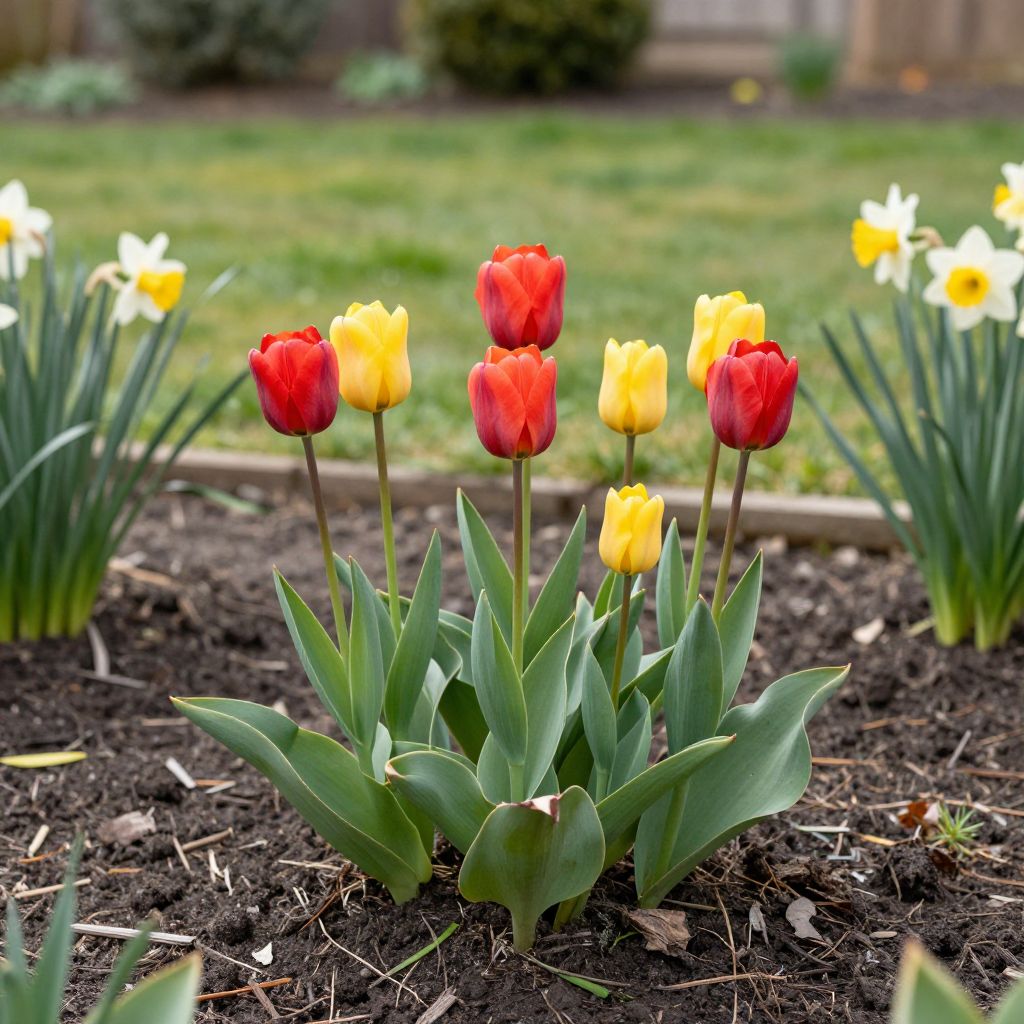
Do tulips come back? Sometimes they do, but not always with the same showy performance you got the first spring. Whether tulips return depends on the type of tulip, your climate, soil drainage, summer conditions, and how well the bulbs recharge after blooming.
If you want tulips to naturalize and reflower, the key is giving the bulbs enough energy after bloom and keeping them dry enough during dormancy. With the right variety and care, you can improve your chances of getting blooms again next year.
Do tulips come back?
Yes, tulips can come back, but many garden tulips bloom best the first year and may weaken in later seasons. Species tulips and some perennializing cultivars are more likely to return reliably. Good drainage, full sun, and leaving the foliage in place until it yellows all help bulbs store energy for next year.
Why tulips sometimes return and sometimes don’t
Tulips are bulbs, which means they store food underground to fuel next year’s growth. After flowering, the bulb must rebuild its energy reserves through the leaves before it can bloom again.
If that process is interrupted, the bulb may survive but produce only leaves, a smaller flower, or nothing at all.
Common reasons tulips fail to rebloom
- Bulbs were forced indoors and exhausted by the process.
- Soil stayed too wet, causing rot or weak roots.
- Leaves were removed too early, so the bulb could not recharge.
- Too much shade reduced the energy the foliage could make.
- Bulbs were planted too shallowly or in poor soil.
- Hot, dry summers or warm winters stressed the bulbs in some regions.
Which tulips are most likely to come back?
Some tulips are better repeat bloomers than others. If reblooming matters to you, choose types known for naturalizing rather than treating tulips as one-season flowers.
Better choices for returning blooms
- Species tulips such as Tulipa kaufmanniana, Tulipa fosteriana, and Tulipa greigii types often perennialize better.
- Darwin hybrid tulips can return in favorable conditions, especially in cooler climates with well-drained soil.
- Botanical tulips are often smaller but more dependable over time than very large, highly bred garden tulips.
Tulips that often fade after one season
Many large, double, fringed, parrot, and specialty tulips are grown for dramatic first-year displays. They can rebloom, but they are less predictable and often need ideal conditions to perform well again.
How to help tulips come back next year
If you want your tulips to return, focus on bulb health from planting time through the weeks after bloom. The most important job is helping the leaves feed the bulb for next season.
- Plant in full sun or light afternoon shade in hotter climates.
- Use well-drained soil; tulips dislike sitting in wet ground.
- Plant bulbs at the right depth, usually about 6 to 8 inches deep for many standard tulips, or roughly 2 to 3 times the bulb’s height.
- Water after planting to settle the soil, then avoid keeping the bed soggy.
- Let the foliage stay until it turns yellow and dies back naturally.
- Deadhead spent flowers so the plant does not waste energy making seed.
After-bloom care matters most
Once the flower fades, remove only the spent bloom head. Leave the leaves alone. They are still working, even if they look untidy.
You can lightly feed the bulbs after flowering if your soil is poor, but avoid overdoing it. A balanced bulb fertilizer or a compost top-dressing is usually enough in home gardens, depending on your soil and local conditions.
Should you dig up tulip bulbs after flowering?
In many gardens, tulips can be left in the ground if drainage is good and the bulbs have a chance to dry out during summer. In wetter soils or warm climates, lifting and storing bulbs may improve their survival, though it does not guarantee better blooming.
Leave them in the ground if
- Your soil drains well.
- Winters are cold enough for tulips to rest properly.
- You are growing species tulips or other reliable perennializing types.
- You can let the foliage die back naturally without disturbance.
Lift and store them if
- Your garden soil stays wet in summer.
- Bulbs tend to rot or disappear over winter.
- You want to replant them in a better location after foliage yellowing.
- You live in a climate where tulips struggle to perennialize outdoors.
If you dig bulbs, wait until the leaves have yellowed. Lift them gently, brush off loose soil, and store them in a cool, dry, airy place until replanting season in your area.
Best growing conditions for repeat blooming
Tulips are more likely to come back when their basic growing conditions match what they need: cold dormancy, good drainage, and enough sun to rebuild the bulb after flowering.
Soil
Tulips prefer loose, fertile soil that drains quickly. Heavy clay can be improved with compost and grit, but if water pools after rain, choose a raised bed or a different site.
Avoid rich, soggy soil. Bulbs in waterlogged ground are more likely to rot than to rebloom.
Sunlight
Full sun is best in most regions. In warmer climates, tulips may appreciate morning sun and a little afternoon shade, especially where spring heat arrives quickly.
Watering
Water newly planted bulbs and spring growth if rainfall is lacking, but do not keep the soil constantly wet. After the foliage yellows, reduce watering so the bulbs can go dormant.
Mulch
A light mulch can protect bulbs and moderate soil temperature, but keep mulch from smothering emerging shoots. In wet areas, thick mulch can trap moisture and encourage rot.
How to keep tulips blooming in containers
Container-grown tulips can come back, but pots are harder on bulbs than garden beds. The soil dries and heats up faster, and bulbs are more exposed to winter and summer swings.
Container care tips
- Use a pot with excellent drainage holes.
- Choose a free-draining potting mix, not heavy garden soil.
- Keep pots in a cool spot during dormancy.
- Water only when the mix starts to dry, not on a fixed schedule.
- After bloom, leave the foliage until it yellows fully.
If you want the best chance of repeat bloom in pots, consider planting fresh bulbs each fall and treating the display as seasonal. That is often more reliable than expecting every pot to return year after year.
Common tulip problems that prevent return bloom
When tulips fail to come back, the cause is often visible in the leaves, stem, or bulb. A little troubleshooting can help you decide whether to leave them in place, improve conditions, or start over.
Leaves but no flowers
This usually means the bulb was too small, too shaded, or not able to store enough energy after last year’s bloom. It can also happen if the bulb was planted too shallowly or crowded by other plants.
Short, weak flowers
Weak blooms often point to declining bulb vigor, poor soil, or a warm winter that disrupted dormancy. Some tulips simply decline after a few years, even with good care.
Rotting bulbs
Soft, mushy bulbs are usually a drainage problem. Improve the site before replanting, and avoid watering heavily once the plant is going dormant.
Pests and disease
Rodents may dig up bulbs, and fungal problems can develop in damp soil. Remove and discard any obviously diseased bulbs; do not compost them if they are soft, moldy, or badly damaged.
Can you make tulips perennialize better?
You can improve the odds, but you cannot force every tulip to behave like a long-lived perennial. The best strategy is to work with the plant’s needs and choose varieties suited to your climate.
- Plant bulbs in a sunny, well-drained bed.
- Choose species or Darwin hybrid tulips when possible.
- Deadhead after bloom, but keep the leaves.
- Do not overwater after flowering.
- Avoid crowding bulbs with thirsty summer perennials.
- Replant or divide only when bulbs are dormant and foliage has died back.
For many gardeners, the most realistic goal is not endless rebloom from every bulb, but a mix of dependable perennializing tulips and fresh seasonal plantings that keep the display strong.
Conclusion: what to do now
If you want tulips to come back, start with better bulb choices and give them the right after-bloom care. Plant them in sun, keep the soil well drained, and let the leaves finish their work before you clean up the bed.
For more bulb-growing guidance, you may also find it helpful to read about bulb planting and care and spring-flowering bulbs for home gardens.