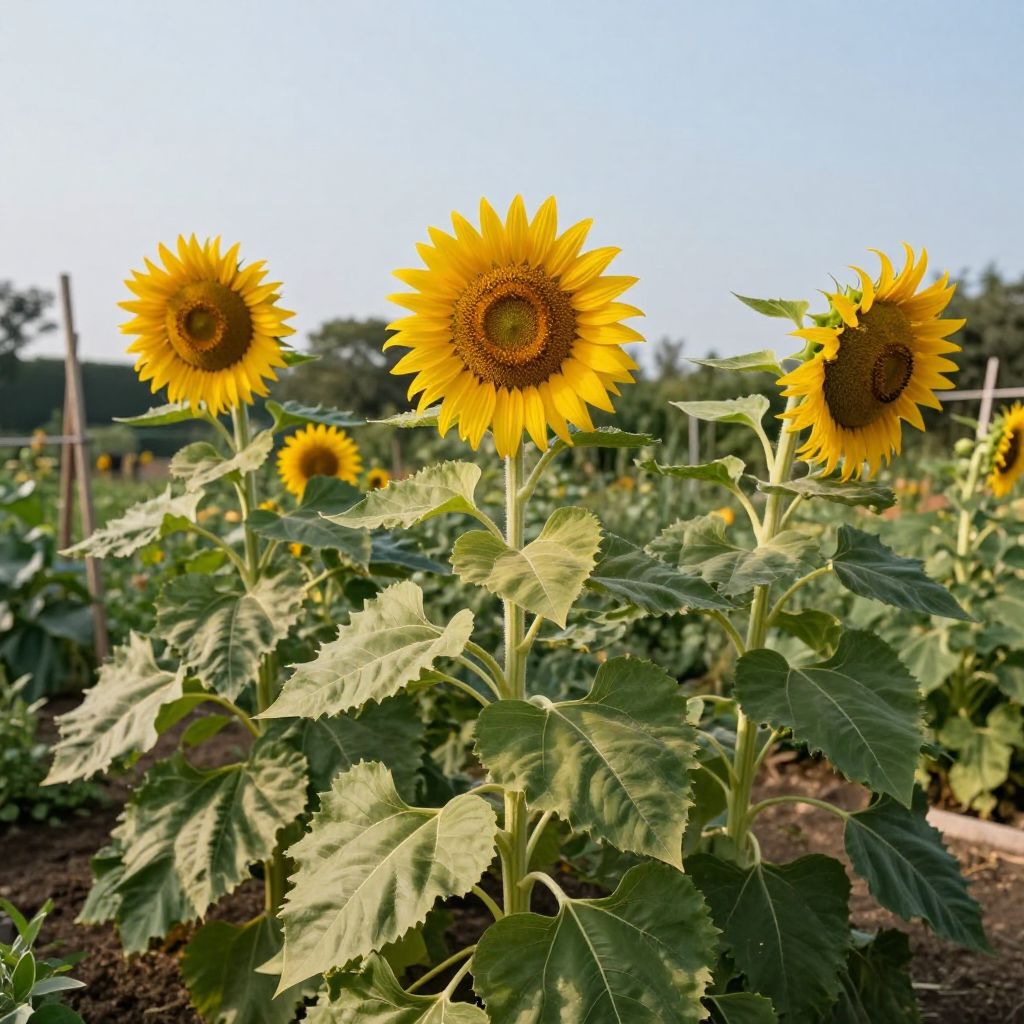
When are sunflowers in season? For most gardeners, the answer is late spring through late summer, with blooms peaking in midsummer. The exact season depends on your climate, sowing time, and whether you’re growing fast annual sunflowers or perennial types.
If you want flowers for a specific event or a long display in the garden, timing matters. Sunflowers are easy to grow, but they perform best when planted after frost, in full sun, and in soil that drains well.
When Are Sunflowers In Season?
Sunflowers are typically in season from summer into early fall, with the main bloom period usually landing 70 to 100 days after sowing for many annual varieties. In warm climates, they may start earlier; in cooler areas, flowering often peaks later in summer. Fresh-cut sunflowers are most available during peak local growing season.
Understanding the Sunflower Growing Season
Sunflowers are warm-season annuals, which means they grow best once the soil has warmed and frost risk has passed. They germinate quickly in warm soil and then move through vegetative growth, budding, and flowering over the next several weeks.
Typical seasonal timeline
- Spring: Sow seeds outdoors after the last frost, or start indoors only if your variety and conditions justify it.
- Early summer: Plants establish roots and stems, then begin rapid vertical growth.
- Midsummer: Most sunflowers begin blooming.
- Late summer to early fall: Blooms continue, and seed heads mature.
Because sunflower timing is tied to temperature and day length, two gardens in different regions can have very different bloom windows. A gardener in a hot southern climate may see flowers much earlier than someone in a cool northern area.
When To Plant Sunflowers For The Best Season
Plant sunflower seeds outdoors when the soil is reliably warm, usually after the last frost date in your area. Cold, wet soil slows germination and can rot seeds before they sprout.
Direct sowing is usually best
Sunflowers dislike root disturbance, so direct sowing is often the easiest and most reliable method. Plant seeds about 1 inch deep in most garden soils, and space them according to the mature size of the variety.
- Small varieties: Often 6 to 12 inches apart.
- Medium to tall varieties: Often 12 to 18 inches apart or more.
- Rows or blocks: Leave enough room for airflow and easy watering.
If you want a longer season of blooms, sow a few seeds every 1 to 2 weeks during your local planting window. This staggered planting extends flowering instead of giving you one short burst.
Can you start sunflowers indoors?
You can, but it is usually not necessary. If you do start them indoors, use deep pots and transplant very carefully before roots become crowded. Transplant shock can slow growth and reduce flowering quality.
For most home gardeners, direct sowing outdoors is simpler and often produces stronger plants.
What Sunflowers Need To Grow Well
Healthy sunflowers need full sun, good drainage, and enough room to develop a strong root system. They are not fussy, but poor site selection can shorten the season and reduce bloom size.
Sunlight
Sunflowers need at least 6 to 8 hours of direct sun daily. In partial shade, stems may stretch, flower heads can be smaller, and blooming may be delayed.
Soil
They grow best in moderately fertile soil that drains well. Heavy clay can work if it is improved with compost and does not stay soggy after rain.
- Mix in compost before planting to improve structure and moisture balance.
- Avoid overly rich, nitrogen-heavy soil, which can produce tall leafy plants with fewer blooms.
- Keep the planting area free of standing water.
Watering
Water deeply after planting and keep the soil evenly moist until seedlings are established. Once growing well, sunflowers are fairly drought-tolerant, but they still perform better with consistent moisture during bud formation and flowering.
Water at the base of the plant rather than overhead when possible. This helps reduce leaf disease and keeps the foliage cleaner.
How To Keep Sunflowers Blooming Through The Season
To stretch the sunflower season, choose varieties with different mature heights and bloom times. Planting a mix of early, midseason, and later-blooming types gives you a longer display.
Practical ways to extend bloom time
- Sow seeds in succession every 1 to 2 weeks during planting season.
- Choose a range of sunflower heights and maturity times.
- Deadhead spent flowers if your goal is continued garden display rather than seed harvest.
- Keep plants watered during heat waves and dry spells.
Deadheading won’t make a single sunflower plant bloom forever, but it can keep the garden looking tidy and may encourage side shoots on some branching types.
Common Problems That Affect Sunflower Season
When sunflowers fail to bloom on time, the cause is usually environmental rather than complicated. The most common issues are cold soil, too much shade, overcrowding, or stress from drought.
Slow germination
If seeds sit in the ground without sprouting, the soil may still be too cold or too wet. Wait for warmer conditions and replant if needed.
Tall, weak stems
Leggy growth often means the plants are reaching for light. Move future plantings to a sunnier spot and avoid crowding.
Small or poor-quality blooms
Too much nitrogen, too little sun, or inconsistent watering can all reduce flower quality. A balanced, compost-rich soil and steady moisture usually help.
Pests and disease
- Birds and squirrels: May dig up seeds or eat developing heads.
- Aphids: Can cluster on stems and buds.
- Powdery mildew: More likely in crowded, humid plantings.
- Downy mildew and rust: Can appear in damp conditions or on stressed plants.
To reduce problems, give plants space, water at soil level, and clean up debris after the season. If birds are a problem, cover young seedlings with lightweight protection until they establish.
When Sunflowers Are Ready To Harvest
If you are growing sunflowers for seeds or cut flowers, timing the harvest is just as important as timing the planting. Flowers for cutting are best harvested when the petals have opened and the bloom is fresh.
Signs a sunflower is ready
- The flower face is fully open for cut flowers.
- For seed harvest, the back of the head turns yellow to brown.
- Seeds begin to plump up and loosen in the head.
- Petals dry and droop as the head matures.
For seed harvest, wait until the back of the flower head has changed color and the seeds are developed, but don’t wait so long that birds or weather damage the crop. If needed, cover mature heads with breathable mesh or paper bags.
Growing Sunflowers In Different Climates
Your local climate changes the answer to “when are sunflowers in season.” In cooler regions, the season may be shorter and start later. In warmer regions, you may be able to plant earlier and enjoy a longer bloom window.
Cool climates
Wait until the soil is warm and frost has passed. Choose shorter-season varieties if your summer is brief, and use succession planting to extend bloom time.
Warm climates
You may be able to sow earlier in spring and again later in the season if temperatures remain suitable. In very hot areas, young plants may appreciate a little extra water during establishment.
Short-season gardeners
If your growing season is limited, focus on fast-maturing varieties and the sunniest, warmest part of your garden. Black plastic or mulch can help warm the soil earlier in spring in some locations.
Simple Care Checklist For A Better Sunflower Season
- Plant after frost when the soil is warm.
- Choose a site with full sun.
- Use well-drained soil improved with compost.
- Water consistently while plants are young.
- Space plants properly for airflow and strong stems.
- Watch for pests, especially birds, aphids, and mildew.
- Harvest blooms or seeds at the right stage.
Sunflowers are at their best from summer into early fall, but the exact season depends on when you sow them and how your climate behaves. If you want the longest possible display, start with warm soil, full sun, and staggered plantings.
For more help with timing your garden, you may also want to read when to plant sunflowers and when to harvest sunflower seeds.