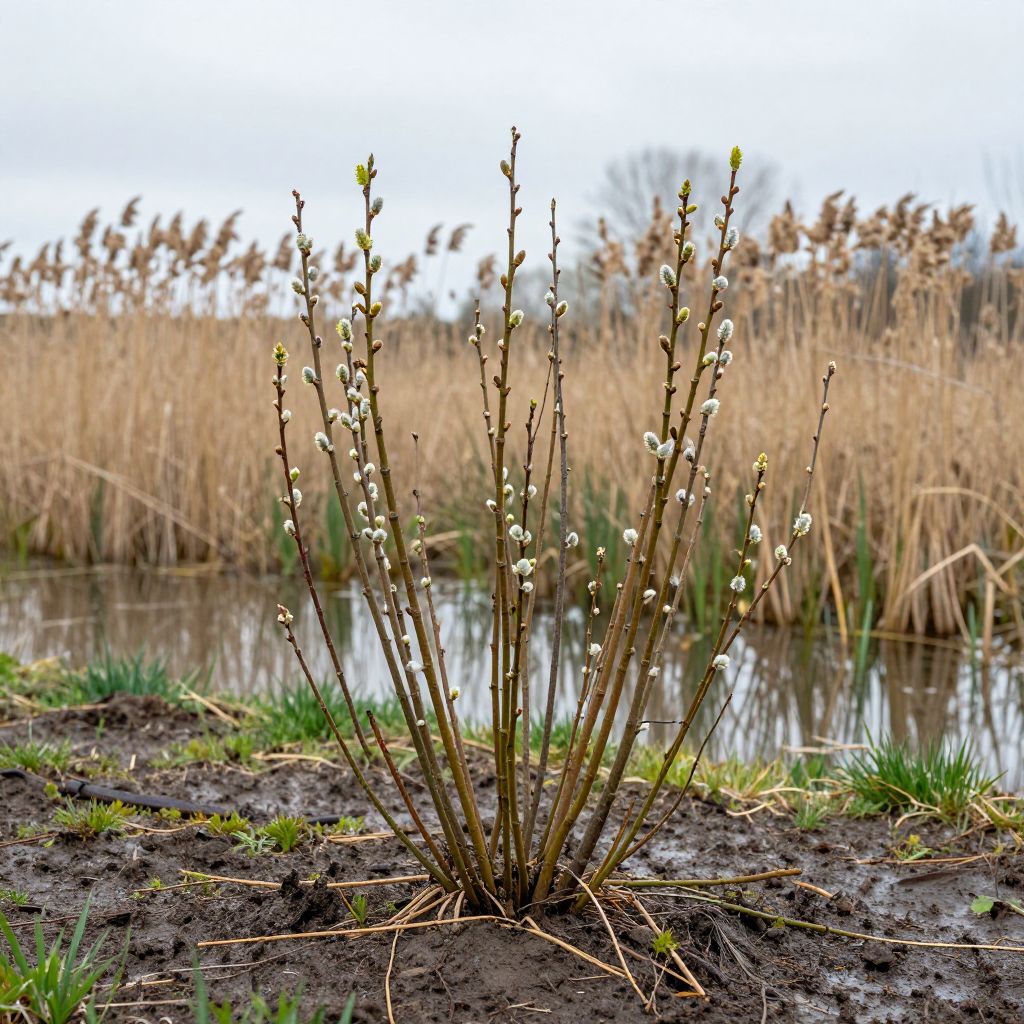
Where do pussy willows grow best, and can you plant them in your own yard? These shrubs are adaptable, but they do have clear preferences: cool to temperate climates, consistently moist soil, and full sun to partial shade. If you match the site to the plant, pussy willows are easy to grow and rewarding in early spring.
The key is choosing the right location. Pussy willows perform best where their roots can stay evenly moist without sitting in stagnant water, and where they have room to spread into a large shrub or small tree.
Where Do Pussy Willows Grow?
Pussy willows grow best in moist, sunny locations such as stream edges, pond margins, rain gardens, low spots with good drainage, and garden beds that never dry out completely. They prefer cool climates, full sun to partial shade, and soil that holds moisture but still drains well enough to avoid root problems.
Best Growing Conditions for Pussy Willows
Sunlight
Most pussy willows flowering and growth are strongest in full sun, meaning at least 6 hours of direct light a day. They will also tolerate partial shade, especially in hotter regions where afternoon sun can be intense.
In deeper shade, plants may grow leggy and produce fewer catkins. If you want the classic spring display, give them as much light as your climate allows.
Soil and moisture
Pussy willows like soil that stays consistently moist. They do well in loam, clay loam, and other moisture-retentive soils as long as water does not remain pooled around the roots for long periods.
If your soil dries out quickly, add compost to improve moisture retention. If your site stays soggy after rain, choose a different spot or plant on a slight mound where excess water can drain away.
Climate and hardiness
These plants are naturally associated with cooler regions and are commonly grown in temperate climates. They need a winter chill period to bloom well, so they are usually a better fit outdoors than indoors long-term.
If you live in a very warm area, look for the coolest part of your yard, such as an east-facing site or a place with afternoon shade and steady moisture.
How to Choose the Right Spot in Your Yard
Before planting, observe how water moves through your garden through a heavy rain. The best location is one that stays damp but does not flood for days.
- Check sunlight across the day.
- Dig a small test hole and see how quickly it drains after watering.
- Look for naturally moist areas near downspouts, swales, or low garden edges.
- Make sure the shrub will have enough space to mature.
Many gardeners underestimate the size of pussy willow shrubs. Depending on the type and growing conditions, they can become quite large, so avoid planting too close to foundations, fences, or narrow walkways.
Good places to plant
- Rain gardens
- Pond or stream edges
- Moist shrub borders
- Low areas with decent drainage
- Large mixed plantings where height and spread are welcome
Places to avoid
- Dry, sandy beds without irrigation
- Hot reflected sites next to walls or pavement
- Small foundation beds with limited root space
- Areas that stay flooded for long periods
How to Plant Pussy Willows
Planting is straightforward, but the site matters more than fancy technique. A healthy plant in the wrong location will struggle, while a simple planting in moist soil often thrives.
- Dig a hole as deep as the root ball and about 2 times as wide.
- Loosen circling roots gently if the plant is pot-bound.
- Set the plant so the top of the root ball is level with the surrounding soil.
- Backfill with the native soil, mixing in compost only if the soil is poor or very fast-draining.
- Water deeply to settle the soil.
- Mulch with 2 to 3 inches of organic mulch, keeping it a few inches away from the stems.
Mulch helps conserve moisture, which is especially useful during the first growing season. Just do not pile it against the trunk or stems, since that can encourage rot and pests.
Watering and Ongoing Care
Pussy willows need more water than many ornamental shrubs, especially while they are getting established. The goal is even moisture, not waterlogging.
During the first year
Water when the top few inches of soil begin to dry. In hot or windy weather, young plants may need more frequent attention. A slow, deep soak is better than shallow watering that only wets the surface.
After establishment
Once established, pussy willows are more tolerant, but they still perform best with regular moisture. In dry spells, give them extra water rather than letting the soil dry out completely for long periods.
If the leaves wilt in midday heat but recover by evening, the plant may simply need more water. If they stay limp and the soil is wet, drainage may be the real issue.
Pruning and Size Control
Pruning helps keep pussy willows tidy and encourages the best catkin display. It also prevents the shrub from becoming too large for its site.
When to prune
Prune after flowering if you want to enjoy the catkins first. You can also remove dead, damaged, or crossing stems at any time.
How to prune
- Remove dead or weak stems at the base.
- Thin crowded growth to improve air circulation.
- Cut back older stems to encourage fresh shoots.
- Shape the plant gradually rather than removing too much at once.
Avoid hard pruning at the wrong time if your main goal is spring catkins. Cutting too early can reduce the display for that season.
Propagation and Harvesting Catkins
Pussy willows are often propagated from cuttings, which root readily in the right conditions. This is useful if you want to replace an older plant or expand a planting in a moist area of the garden.
Simple propagation from cuttings
- Take healthy dormant stems from a vigorous plant.
- Cut sections with several buds.
- Place them in moist soil or water until roots form, depending on your preferred method and local conditions.
- Transplant rooted cuttings into a prepared moist site.
For harvesting catkins, cut stems when the fuzzy buds are just opening and the display is fresh. Use clean pruners and avoid taking too many branches from a young plant.
Common Problems and How to Fix Them
Few or no catkins
This usually points to too much shade, improper pruning timing, or a plant that is stressed by drought. Move future plantings to a sunnier site and keep the soil evenly moist.
Yellowing leaves
Yellow leaves can mean poor drainage, nutrient stress, or inconsistent watering. Check the soil first. If it stays soggy, improve drainage rather than adding more fertilizer.
Pests and diseases
Pussy willows can attract aphids and other sap-feeding insects. They may also develop fungal issues if air circulation is poor or if they are planted too densely.
To reduce problems:
- Space plants so air can move through them.
- Remove dead or crowded stems.
- Keep mulch off the stems.
- Avoid overwatering poorly drained soil.
If you notice sticky residue, curled leaves, or sooty mold, inspect new growth for aphids and treat early with a strong spray of water or another appropriate garden control method for your situation.
Can Pussy Willows Grow in Containers?
They can be grown in large containers for a while, but this is not the easiest long-term option. Their roots need steady moisture, and containers dry out quickly.
If you try a pot, choose a very large container with drainage holes, use a moisture-retentive potting mix, and monitor water closely. Container plants may need repotting or planting in the ground as they grow.
Design Ideas for the Landscape
Pussy willows are useful where you want early spring interest and a shrub that tolerates damp soil. Their catkins stand out near water features, in naturalistic borders, and in wildlife-friendly gardens.
- Plant them as a seasonal focal point near a pond or rain garden.
- Use them as part of a mixed shrub border with other moisture-loving plants.
- Let them form a natural screen in a spacious area.
- Combine them with spring bulbs for early-season color.
Because they can grow vigorously, give them room to mature. A cramped location often leads to more pruning, more stress, and less attractive growth.
Conclusion
If you are wondering where do pussy willows grow best, think moist soil, full sun to partial shade, and plenty of space. Choose a site that stays evenly damp but drains well, plant carefully, and prune after flowering to keep the shrub healthy and manageable. If you are planning a spring shrub bed, consider reading more about how to prune flowering shrubs and choosing the right mulch for moist garden beds.