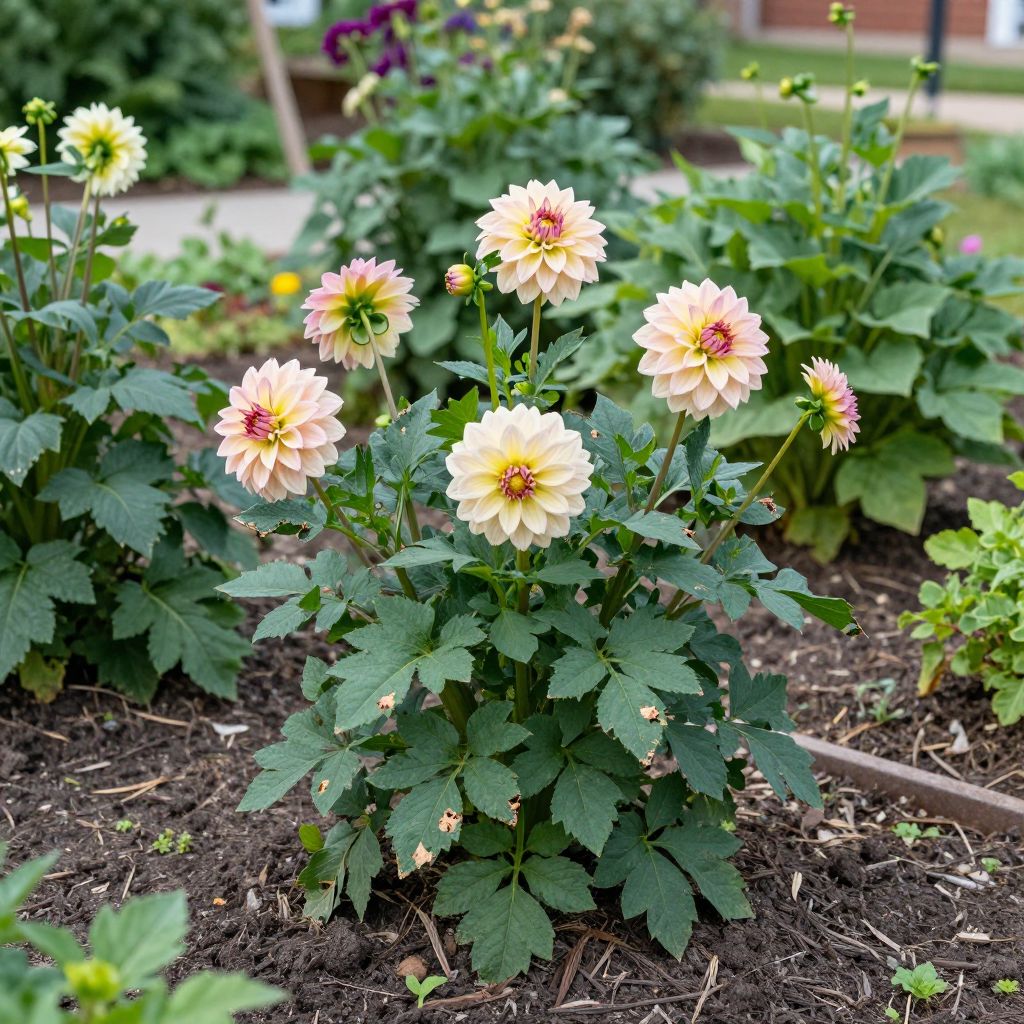
Are dahlias deer resistant? If deer are common in your garden, this is an important question before you invest time in planting these showy flowers. Dahlias are prized for their bold blooms, but they are not usually a safe bet in deer-prone areas.
In most gardens, deer will browse dahlias when other food is scarce, especially the tender shoots, buds, and flowers. You can still grow them successfully, but you’ll need to treat dahlias as deer-attracting rather than deer-proof and plan for protection.
Are dahlias deer resistant?
No, dahlias are generally not deer resistant. Deer may nibble the foliage, strip flower buds, or eat the entire plant if they find it appealing and easy to reach. In many gardens, dahlias are considered deer susceptible, especially in spring and early summer when new growth is soft and tender.
Why deer eat dahlias
Deer usually prefer plants that are tender, lush, and easy to digest. Dahlia shoots and leaves fit that description, and the flowers can be especially tempting when the garden is short on other browse.
What parts are most at risk?
- New shoots in spring
- Leafy stems as plants fill out
- Buds and blooms just before flowering
- Low-growing varieties that are easy to reach
Deer pressure can vary by region, season, and food availability. A plant that is ignored one year may be heavily browsed the next if local deer populations rise or natural forage becomes scarce.
How to grow dahlias when deer are a problem
If you want dahlias in a deer-prone garden, the goal is not to make them “deer proof,” but to reduce the chance of damage. The most reliable approach is to combine planting choices with physical protection.
Choose the right planting spot
Plant dahlias where deer are less likely to wander, such as near a porch, patio, driveway, or fenced area. Open beds at the edge of a yard are often the first places deer browse.
If possible, place dahlias close to plants deer dislike more strongly, but don’t rely on companion planting alone. Deer can still step through mixed beds to reach a favorite flower.
Use fencing when you can
A physical barrier is the most dependable protection. A tall fence is often the best solution if deer pressure is high.
- Solid or woven fencing is more effective than scent-based deterrents alone.
- For larger gardens, deer fencing should be tall enough to discourage jumping; local conditions and deer behavior matter.
- Small garden beds can be protected with temporary netting or cages around individual plants.
Try repellents, but rotate and reapply
Commercial deer repellents can help, especially when used early before deer start feeding. They work best as part of a larger plan, not as the only defense.
- Apply before damage starts, if possible.
- Reapply after heavy rain or according to the label.
- Rotate products if deer become accustomed to one smell or taste.
Important: Always follow the product label and avoid spraying open blooms if the product is not intended for flowers. Test on a small area first when the label allows it.
Best growing conditions for healthy dahlias
Healthy dahlias recover better from stress and can replace some browsing damage faster, so good care matters. They grow best in full sun, rich soil, and excellent drainage.
Sunlight
Dahlias usually flower best in full sun, which means at least 6 hours of direct light per day. In very hot climates, some afternoon shade can help reduce stress, but too much shade often leads to weak stems and fewer blooms.
Soil and drainage
Dahlias prefer loose, fertile soil that drains well. Heavy, waterlogged soil can rot tubers and weaken plants, making them less able to recover from deer or pest damage.
- Work in compost to improve soil structure.
- Avoid planting in low spots where water collects.
- If your soil is clay-heavy, consider raised beds or mounded planting areas.
Watering
Water deeply after planting and during dry spells, but avoid soggy soil. Established dahlias usually do better with thorough, less frequent watering than with constant light sprinkling.
Water at the base of the plant when possible to keep foliage drier and reduce disease pressure. Local weather, rainfall, and soil type should guide how often you water.
Practical deer protection for dahlias
Because deer may return repeatedly once they find dahlias, it helps to protect them from the start. The earlier you act, the better your odds of getting blooms.
Simple protection options
- Install a barrier before the plants are large enough to attract attention.
- Use repellents on new growth and around the planting area if appropriate.
- Check plants regularly for fresh browsing or broken stems.
- Reapply or reinforce protection after rain, wind, or rapid new growth.
What to avoid
- Don’t assume one repellent will work all season without reapplication.
- Don’t leave young dahlias unprotected in a known deer corridor.
- Don’t overwater in an attempt to “help” damaged plants recover; soggy soil can create more problems.
What to do if deer already ate your dahlias
If deer have already browsed your plants, the first step is to assess the damage. Dahlias can sometimes recover if the growing point is intact, but repeated browsing can set them back badly.
After-browse recovery steps
- Trim ragged stems back to healthy tissue with clean pruners.
- Water normally, but do not flood the bed.
- Apply a deterrent or add a barrier immediately.
- Watch for new shoots, then protect them before deer return.
If the plant has been cut back to the ground or the growing tips are gone, recovery may be slow or incomplete. In that case, focus on protecting any regrowth and improving defenses for the rest of the season.
Other pests and problems that can weaken dahlias
Deer are not the only issue that can damage dahlias. Stressed plants are more likely to suffer from pests and disease, which can make them even less appealing to grow in a difficult site.
Common issues to watch for
- Slugs and snails on tender new growth
- Aphids on stems and buds
- Powdery mildew in humid or crowded plantings
- Rot in poorly drained soil
Good spacing, clean watering practices, and regular inspection help prevent these problems. Healthy, upright growth also makes it easier to spot deer damage versus disease or insect feeding.
Can you make dahlias less attractive to deer?
You can reduce risk, but you cannot reliably make dahlias unappealing to deer. Some gardeners report fewer problems with certain plantings or in years when deer pressure is low, but results are inconsistent.
That’s why the safest strategy is to combine several methods: choose a protected location, keep plants healthy, and use a barrier or repellent if deer are active in your area.
Growing dahlias in containers for extra protection
Container growing can help if you have a patio, deck, or other area that is easier to protect. It does not guarantee deer won’t browse, but it can make monitoring and shielding plants simpler.
- Use a large pot with drainage holes.
- Choose a rich, well-draining potting mix.
- Keep containers in a bright, accessible spot where you can inspect them often.
- Water more often than in-ground plants, since containers dry out faster.
Even in containers, deer may still reach over a low barrier or step into exposed areas, so don’t skip protection if deer are common nearby.
Conclusion: should you plant dahlias if deer visit your yard?
Yes, you can grow dahlias in a deer-prone garden, but only if you plan for protection. Since dahlias are not deer resistant, the most successful gardeners treat them as a high-risk plant and use fencing, repellents, and careful placement from the start.
If you’re comparing flowers for a deer-prone landscape, you may also want to read more about whether begonias are deer resistant and whether azaleas are deer resistant before choosing your next planting.