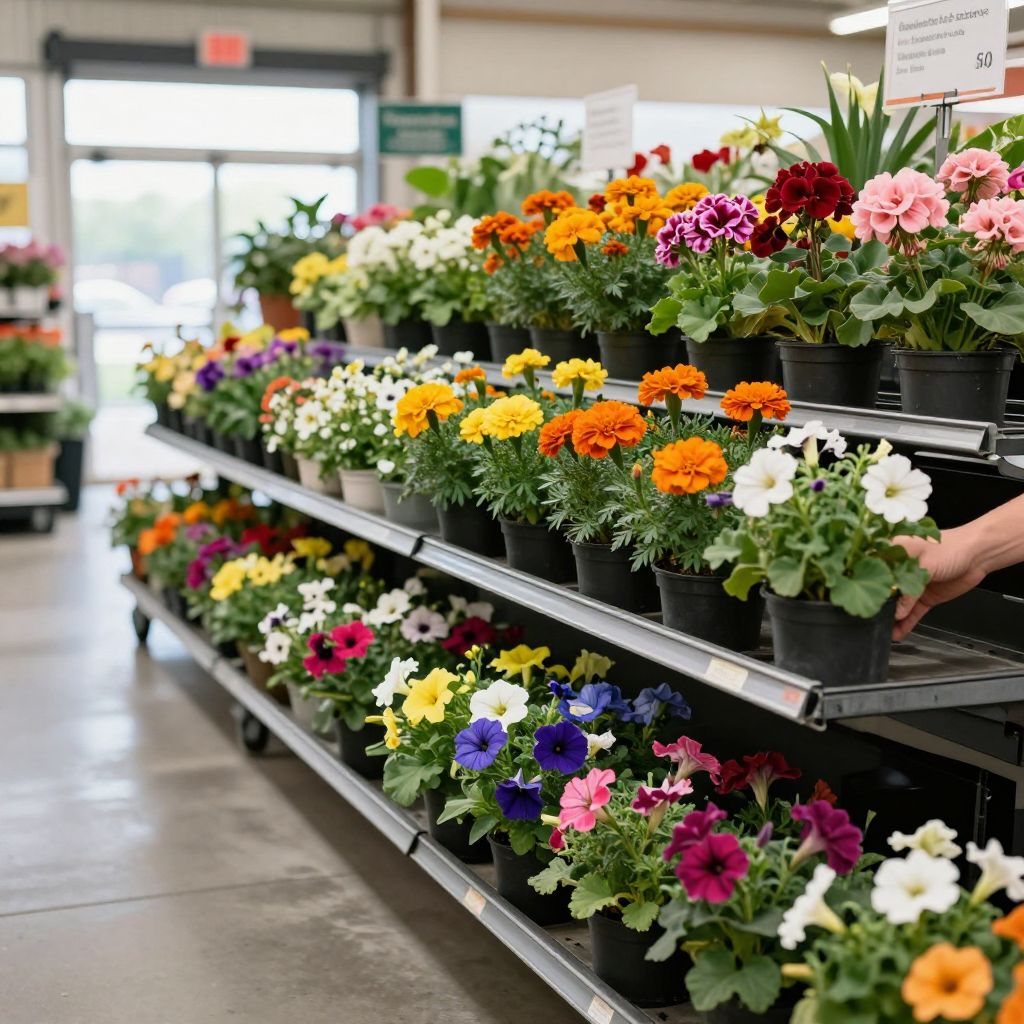
Does Walmart have flowers? Yes—Walmart commonly sells cut flowers, potted flowering plants, bedding plants, and seasonal garden items, though the selection varies by store, region, and time of year. If you are shopping for a quick gift, patio color, or starter plants for your garden, it can be a convenient place to look.
The key is knowing what to expect and how to choose healthy plants. A good-looking flower display can still hide stress, so it helps to check foliage, roots, and soil before you buy.
Does Walmart Have Flowers?
Walmart often carries flowers in several forms: fresh-cut bouquets, indoor flowering houseplants, seasonal annuals, hanging baskets, and garden-center plants in warmer months. Availability depends on store size, climate, and season, so the best selection is usually found during spring and early summer or around major holidays.
What Kind of Flowers You May Find
Walmart’s flower selection can change quickly, but these are the most common categories gardeners see.
Fresh-cut flowers
These are usually sold as bouquets or mixed arrangements for gifting and indoor display. They are not meant for planting, but they can last longer with proper vase care.
Potted flowering plants
You may find orchids, kalanchoe, peace lilies, chrysanthemums, African violets, and other indoor bloomers. These are useful if you want a plant that flowers indoors rather than a temporary bouquet.
Outdoor bedding plants and seasonal color
In garden season, many stores stock annuals such as petunias, marigolds, impatiens, begonias, geraniums, and vinca. Hanging baskets and patio containers are also common in spring.
Occasional perennials and shrubs
Some locations carry perennials or small shrubs, but the range is less predictable than at a dedicated nursery. If you need a specific plant for a long-term landscape project, compare labels carefully and inspect the plant closely.
How to Choose Healthy Flowers at Walmart
Whether you are buying cut flowers or live plants, choose the freshest, least-stressed option. A few minutes of inspection can save you from bringing home pests, root issues, or a plant that declines quickly.
- Check the leaves: Look for firm, green foliage without yellowing, spotting, or heavy wilting.
- Inspect blossoms: Choose plants with some open flowers and many buds, not only fully open blooms.
- Look under the pot: Roots should not be circling tightly out of drainage holes or pushing the plant upward.
- Feel the soil: It should be slightly moist, not bone dry or sour-smelling and soggy.
- Watch for pests: Check leaf undersides for aphids, whiteflies, mealybugs, or webbing.
- Avoid damaged stems: Broken stems, mushy crowns, and collapsed flowers often mean poor handling or disease.
If you are buying cut flowers, look for stems with clean cuts, upright heads, and petals that are not browning at the edges. Fresh bouquets should feel cool and hydrated, not limp.
What to Do After You Bring Flowers Home
New plants often need a short adjustment period. Give them the right conditions right away so they can recover from store stress and keep growing.
- Unpack them promptly. Remove sleeves, decorative wrap, or tight plastic that traps moisture.
- Water if needed. If the soil is dry, water thoroughly until excess drains out.
- Place them in bright, appropriate light. Match the plant to sun or shade needs rather than putting it wherever it looks best.
- Keep them away from extremes. Avoid hot car rides, cold drafts, and direct heat vents.
- Quarantine new plants indoors. Keep them separate from other houseplants for a week or two if possible.
For cut flowers
Trim 1 to 2 inches off the stems at an angle, remove any leaves below the waterline, and place them in a clean vase with fresh water. Change the water every couple of days to reduce bacterial buildup.
Growing Conditions for Walmart Flowers
The care needs depend on the type of flower you buy. Always read the plant tag if it has one, because light and moisture requirements can differ a lot between species.
Light
Most flowering annuals outdoors want full sun to part sun, meaning at least 6 hours of direct sunlight for best bloom. Many indoor flowering plants prefer bright indirect light rather than harsh midday sun.
Soil and drainage
For container plants, use a well-draining potting mix rather than garden soil. Outdoor beds should be loose, fertile, and able to drain after rain. If water sits around roots, flowering plants often decline fast.
Watering
Water when the top inch of soil feels dry for many container flowers, but adjust for heat, wind, pot size, and plant type. Small pots dry faster than large ones, and hanging baskets may need more frequent attention in warm weather.
Temperature
Most store-bought flowers are sensitive to cold snaps. If you buy spring annuals too early, protect them from frost and chilly nights, especially if they have been kept in a warm store or greenhouse.
How to Plant Store-Bought Flowers Outdoors
If you bought flowering annuals or perennials from Walmart, transplant them carefully to reduce shock. A gentle start helps them establish faster.
- Choose a site with the right amount of sun for the plant.
- Prepare the bed by loosening the soil 8 to 12 inches deep.
- Mix in compost if the soil is poor, compacted, or sandy.
- Water the plant before removing it from the pot.
- Slide it out carefully and loosen tightly bound roots if needed.
- Set the crown at the same level it was growing in the pot.
- Backfill, press lightly, and water again to settle the soil.
- Mulch around the plant, but keep mulch a little away from stems.
After planting, monitor moisture closely for the first couple of weeks. Newly transplanted flowers need consistent watering while roots spread into the surrounding soil.
How to Keep Potted Flowers Blooming Longer
Many potted flowers from big-box stores are grown for quick display, so a little extra care helps them last longer.
- Deadhead spent blooms to encourage more flowering on many annuals and houseplants.
- Rotate pots every few days so all sides get even light.
- Use containers with drainage holes to prevent root rot.
- Feed lightly only if the plant is actively growing and the label recommends it.
- Repot root-bound plants into a slightly larger container if roots fill the pot.
Do not overfertilize stressed plants. Too much fertilizer can burn roots or push weak, leafy growth instead of flowers.
Common Problems and How to Fix Them
Store-bought flowers are often stressed by transport, lighting changes, and inconsistent watering. Most problems can be corrected if you catch them early.
Wilting
Wilting can mean underwatering, but it can also happen from root damage or heat stress. Check the soil first: if it is dry, water deeply; if it is wet and the plant still wilts, the roots may be struggling.
Yellow leaves
Yellowing may come from poor drainage, low light, overwatering, or natural aging of lower leaves. Remove dead leaves, improve light, and avoid keeping the soil constantly soggy.
Few or no blooms
Low light, too much nitrogen, or recent transplant shock can reduce flowering. Move the plant to brighter light if appropriate and avoid heavy feeding unless the plant is established.
Pests
Aphids, spider mites, and whiteflies can show up on store plants. Rinse mild infestations with water, remove badly infested leaves, and isolate the plant from others until the problem is under control.
Root rot
This is common in pots without drainage or in soil that stays wet. If the plant is declining and the roots are brown and mushy, repot into fresh, well-draining mix and trim damaged roots if the plant still has healthy tissue.
When Walmart Flowers Are a Good Buy
Walmart can be a practical choice if you want affordable flowers, a quick seasonal display, or starter plants for a simple garden project. It is especially useful for common annuals, indoor bloomers, and cut flowers.
If you need rare cultivars, mature landscape plants, or very specific colors and growth habits, a local nursery may offer better selection and stronger plant quality. For many gardeners, though, Walmart is a convenient place to find decent flowers at a lower price.
Final Tips Before You Buy
Before you put flowers in your cart, check the plant tag, inspect the leaves and roots, and think about where the plant will live after purchase. The best flower is the one matched to your light, weather, and watering routine.
If you want more plant-shopping ideas, you may also like reading about where to buy hibiscus flowers or where to buy peonies near me.