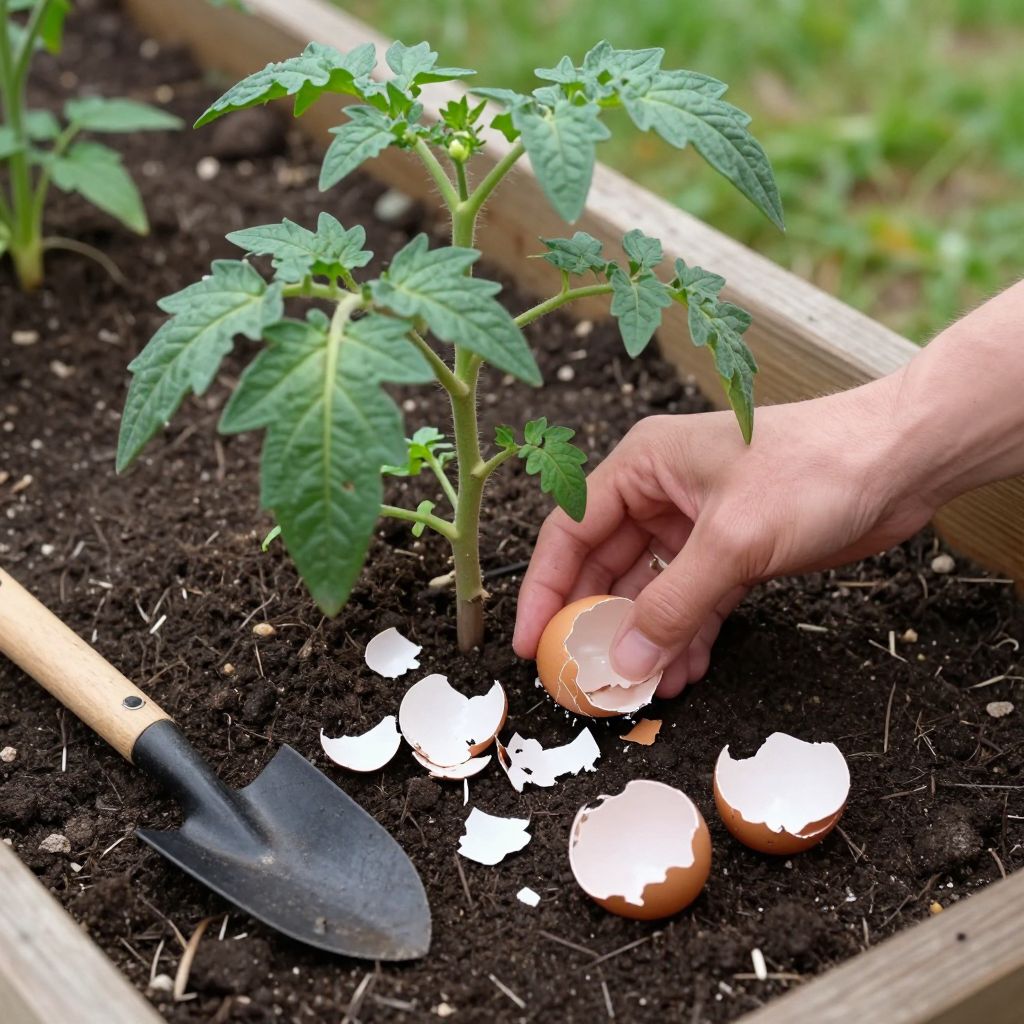
Are egg shells good for plants? In many gardens, yes—but not in the way people often hope. Crushed eggshells can add a small amount of calcium to soil over time, and they can improve compost structure, but they are not a fast fertilizer or a cure for most plant problems.
If you use them correctly, eggshells can be a useful soil amendment and a simple way to recycle kitchen waste. The key is knowing when they help, when they do very little, and how to prepare them so they do not attract pests or become a mess in the garden.
Are egg shells good for plants?
Eggshells can benefit plants mainly by adding calcium slowly, improving compost, and sometimes helping soil structure. They work best as a long-term amendment, not as an immediate feed. For most gardens, crushed, cleaned eggshells are a mild bonus rather than a primary fertilizer.
What eggshells actually do in the garden
Eggshells are made mostly of calcium carbonate. That means they can contribute calcium to soil, but they break down slowly, especially if left in large pieces. In practical terms, they are most useful when composted, finely crushed, or added to planting holes in small amounts.
What they do well
- Add a small amount of calcium over time
- Help balance compost by adding a mineral material
- Reduce kitchen waste by turning scraps into a garden input
- May slightly improve soil texture when finely ground and mixed in
What they do not do well
- They do not replace a balanced fertilizer
- They do not fix calcium deficiency quickly
- They do not reliably stop slugs or snails
- They do not change soil pH dramatically in most home gardens
How to use eggshells the right way
The best results come from preparing eggshells before you add them to the garden. Clean shells are less likely to smell, attract pests, or mold. The smaller the pieces, the faster they break down and become useful to plants.
Step-by-step: preparing eggshells for plants
- Rinse the shells after use to remove egg residue.
- Let them dry completely on a tray or in a sunny windowsill.
- Crush them by hand, in a bag with a rolling pin, or in a grinder.
- For faster breakdown, grind them into a fine powder.
- Add them to compost, mix them lightly into soil, or sprinkle a small amount around established plants.
Important: large shell fragments break down very slowly. If you want any noticeable benefit within a season, finer pieces are much more effective.
Best ways to apply eggshells
- Compost pile: A good all-purpose use. Eggshells become part of finished compost and are easier for soil microbes to break down there.
- Soil amendment: Mix crushed shells into the top few inches of soil before planting, especially in vegetable beds.
- Top-dressing: Sprinkle a small amount around plants and lightly work it into the surface.
- Seed-starting mix: Use with caution. Large shell pieces can interfere with delicate seedlings if used too heavily.
Which plants may benefit most
Eggshells are most useful for plants that need calcium as part of steady growth, especially in vegetable gardens. They are not a cure-all, but they can support soil health when paired with good watering and balanced nutrition.
Common garden plants people often associate with eggshells
- Tomatoes (Solanum lycopersicum)
- Peppers (Capsicum spp.)
- Eggplants (Solanum melongena)
- Squash and cucumbers
- Leafy greens in calcium-poor soils
That said, if a tomato develops blossom-end rot, eggshells alone usually will not solve it. Blossom-end rot is often linked to uneven watering, damaged roots, or poor calcium movement in the plant, not simply a lack of calcium in the soil.
When eggshells are not enough
Many gardeners add eggshells because they want a quick fix for yellow leaves, blossom-end rot, or poor growth. In most cases, those problems need a broader diagnosis. Soil test results, watering habits, drainage, and root health matter more than eggshells alone.
Common problems eggshells will not fix
- Overwatering: Roots need oxygen, and soggy soil can cause decline even in calcium-rich soil.
- Poor drainage: Heavy clay or compacted beds may need organic matter, not more shells.
- Nutrient imbalance: Plants may need nitrogen, potassium, magnesium, or micronutrients.
- Low light: Shade-stressed plants will not improve just because you add shells.
If your plant is struggling, check the basics first: soil moisture, drainage, sunlight, and whether the plant is in the right place for its species. Eggshells are a support tool, not a rescue plan.
Do eggshells help with pests?
Many gardeners sprinkle eggshells around plants hoping to deter slugs and snails. In real gardens, this method is unreliable. Sharp edges may bother some soft-bodied pests briefly, but rain, soil contact, and crushed shell size quickly reduce any effect.
Better pest-control habits
- Water in the morning so soil surfaces dry by evening
- Remove hiding places such as boards, dense weeds, and debris
- Hand-pick slugs and snails at dusk if needed
- Use physical barriers or traps suited to your garden
- Keep plants healthy so they can recover from light feeding damage
If you want to use eggshells for pest control, think of them as a minor extra, not a dependable barrier.
Eggshells in compost: often the best use
For most home gardeners, composting is the smartest way to use eggshells. In compost, they mix with organic matter, moisture, and microbes that help them break down more effectively than they would in dry soil.
Composting tips for eggshells
- Crush shells before adding them
- Mix them into the center of the pile, not just on top
- Balance them with green materials such as kitchen scraps and grass clippings
- Turn the pile occasionally if you manage a hot compost system
Even in compost, shells may not disappear completely. Small fragments can remain in finished compost, and that is normal. They still contribute to the final soil amendment.
How much is too much?
More eggshells are not always better. A light, steady use is usually enough. Piling on large amounts can create a cluttered soil surface and does not guarantee more available calcium.
Practical guidelines
- Use a modest amount from household kitchen waste, not bucketfuls
- Crush or grind them before use
- Mix them into compost or the top layer of soil rather than leaving thick layers on the surface
- Combine them with other organic matter for better soil improvement
If you are trying to correct a suspected calcium deficiency, a soil test is far more useful than guessing with eggshells. A test can tell you whether calcium is actually low and whether pH or other nutrients are part of the issue.
Indoor plants and eggshells
Indoor gardeners sometimes use eggshells in pots, but container plants need extra caution. Potting mix is limited, and large shell pieces can sit on the surface for a long time without breaking down. Indoors, cleanliness matters too.
For houseplants and containers
- Use only well-rinsed, fully dried shells
- Grind them finely if you plan to mix them into potting mix
- Use sparingly to avoid surface buildup
- Do not bury shells deeply in small pots where they may interfere with roots
For container plants, a balanced potting mix and proper watering usually matter much more than eggshells. If your indoor plant has yellowing leaves or weak growth, check light, drainage, and root crowding first.
Common mistakes to avoid
- Adding whole eggshell halves and expecting fast results
- Using eggshells as the only fertilizer
- Leaving egg residue on shells, which can smell and attract pests
- Applying thick layers around seedlings
- Using eggshells instead of fixing watering or drainage problems
Best practice: clean, dry, crush, and compost. That simple routine makes eggshells far more useful than tossing them directly onto the soil in large pieces.
When to choose another soil amendment
Sometimes eggshells are not the right answer at all. If your soil is compacted, waterlogged, or clearly lacking nutrients, you may need compost, aged manure, leaf mold, or a targeted fertilizer based on a soil test.
For acidic soil questions, for example, eggshells are not a reliable way to raise pH in a meaningful, controlled way. If your plants need a different soil reaction, choose an amendment that matches the actual problem rather than relying on kitchen scraps alone.
Conclusion: should you use eggshells?
Yes, eggshells can be good for plants when you use them as a slow, modest soil amendment or add them to compost. They are most helpful as part of a bigger soil-care routine that includes good watering, healthy compost, and appropriate plant placement.
Start by crushing and drying your eggshells, then mix them into compost or lightly into garden soil. If you want to learn where they help most, see what plants like eggshells and compare that with what plants like acidic soil before you amend your beds.