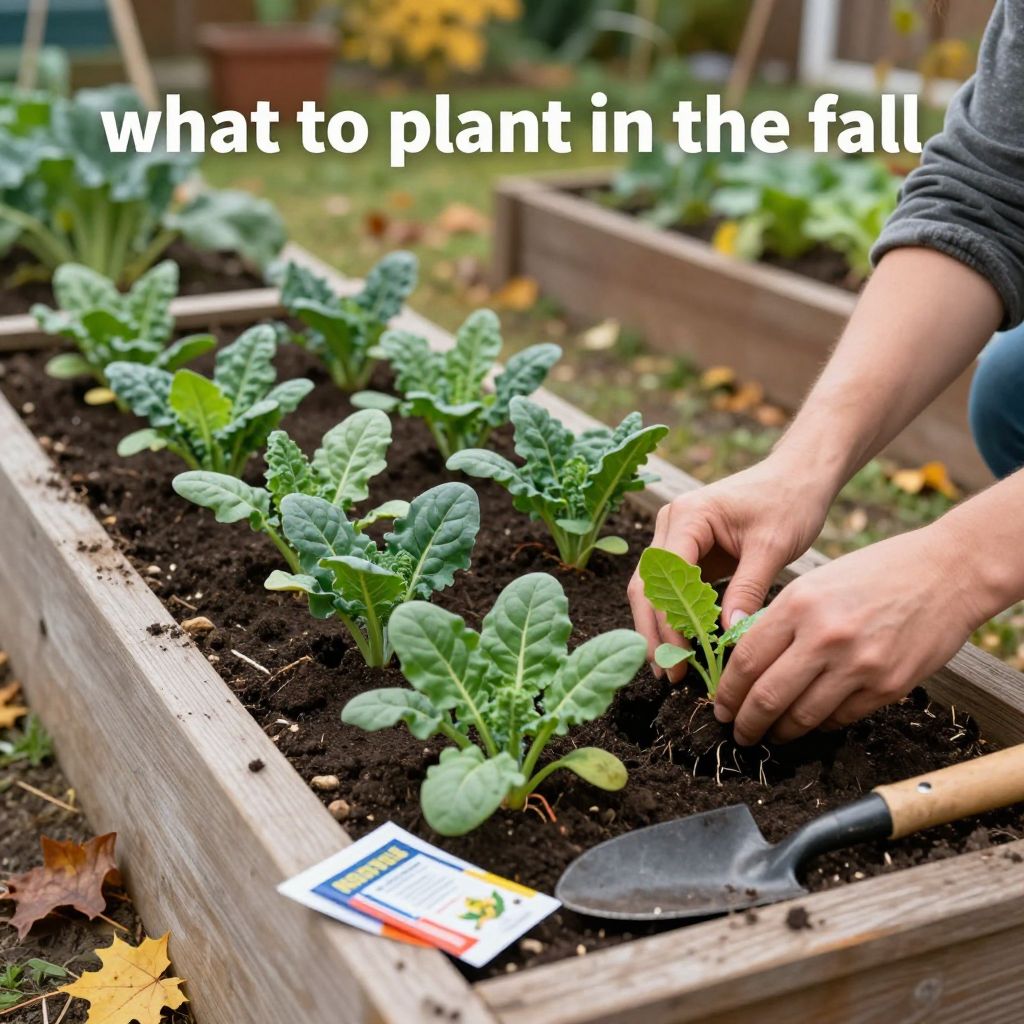
What should you plant in the fall if you want a productive garden and a landscape that looks good as the weather cools? Fall is one of the best planting seasons because warm soil helps roots establish while cooler air reduces stress on new plants.
The best choices depend on your climate, but fall is ideal for many cool-season vegetables, spring-flowering bulbs, perennials, shrubs, trees, and some ground covers. Success comes from matching the plant to your local frost dates, soil drainage, and available sunlight.
What to plant in the fall?
In fall, plant cool-season crops like lettuce, spinach, kale, radishes, carrots, garlic, and onions, along with spring bulbs, perennials, shrubs, and trees. The cooler air and still-warm soil help roots grow before winter, but you should choose plants that can handle your local frost timing and soil conditions.
Best vegetables to plant in fall
Fall vegetable planting works best for crops that prefer cooler temperatures and mature quickly. In many regions, these crops taste better after a light frost and are less likely to bolt than they are in summer heat.
Fast-growing leafy greens
- Lettuce
- Spinach
- Arugula
- Swiss chard
- Kale
- Mustard greens
These crops can often be direct-sown in late summer or early fall, depending on your first frost date. Use loose, fertile soil and keep the seedbed evenly moist until germination.
Root crops that handle cool weather
- Radishes
- Carrots
- Beets
- Turnips
- Rutabagas
Root crops need soil that is free of rocks, clods, and fresh manure. If your soil is heavy clay, loosen it deeply and mix in compost so roots can form evenly instead of becoming forked or stunted.
Garlic and onions
Garlic is one of the most reliable fall plantings in many climates. Plant individual cloves with the pointed end up, usually after the soil has cooled but before it freezes hard.
Fall-planted onions are usually grown from sets or transplants in milder climates. In colder areas, gardeners often wait until spring unless they are using overwintering varieties suited to their region.
Broccoli, cabbage, and other brassicas
Transplants of broccoli, cabbage, cauliflower, and Brussels sprouts can be set out in late summer or early fall where the season is long enough. These crops need steady moisture and full sun to size up before hard frost.
What flowers and ornamentals to plant in fall
Fall is an excellent time to plant many ornamentals because roots keep growing even after top growth slows. That gives plants a head start for spring and often results in stronger establishment than spring planting alone.
Spring-flowering bulbs
- Tulips
- Daffodils
- Crocus
- Hyacinths
- Alliums
- Grape hyacinths
Plant bulbs in well-drained soil at the depth recommended for that bulb type, usually about two to three times the bulb’s height. Good drainage matters more than rich soil, because wet bulbs are prone to rot.
Perennials, shrubs, and trees
Many hardy perennials, deciduous shrubs, and trees can be planted in fall as long as the ground is still workable. Examples include peonies, hostas, daylilies, hydrangeas, viburnums, and many native shrubs and trees.
Fall planting is especially helpful when you want to establish a hedge, replace a tired bed, or add structure to the landscape. The key is to water deeply until the ground begins to freeze and to mulch properly afterward.
Ground covers and cool-season color
In some regions, fall is also a good time to plant ground covers and cool-season annuals such as pansies and violas. These are useful for filling bare spots, edging beds, and extending color into autumn.
How to choose the right fall plants for your climate
Your first frost date is the most important guide for fall planting. Count backward from that date to estimate how much time a crop or transplant needs to establish before cold weather arrives.
- Cooler climates: Focus on quick crops, hardy bulbs, and established transplants.
- Mild winters: You may be able to plant more vegetables, onions, cool-season flowers, and many woody plants.
- Hot autumns: Use shade cloth temporarily, water more carefully, and wait for temperatures to ease before transplanting tender starts.
Also consider your soil. If water pools after rain, choose plants that tolerate some moisture or improve drainage before planting. If your soil dries out quickly, mulch and water more often while roots establish.
How to prepare soil before fall planting
Good soil preparation makes a bigger difference in fall than many gardeners expect. Roots need oxygen, moisture, and room to spread before winter slows growth.
- Clear weeds and old crop debris.
- Loosen the top 8 to 12 inches of soil where possible.
- Mix in compost to improve structure and moisture retention.
- Break up compacted areas, but avoid working soil when it is soggy.
- Rake the surface smooth for seeds or planting holes for transplants and bulbs.
Avoid adding fresh manure right before planting root crops or bulbs. It can encourage disease, excess top growth, or misshapen roots.
Planting and care tips for fall success
Watering
New fall plantings need consistent moisture until roots are established. Water deeply rather than lightly sprinkling the surface, especially for trees, shrubs, and transplants.
As temperatures cool, reduce watering frequency, but do not let the soil dry out completely. The goal is evenly moist soil, not soggy ground.
Mulching
Apply 2 to 4 inches of organic mulch around perennials, shrubs, and trees after planting. Keep mulch a few inches away from stems and trunks to prevent rot and pest problems.
For garlic and some bulbs, mulch can help moderate soil temperature and reduce winter heaving. In very wet areas, use a lighter layer so the soil does not stay too damp.
Sunlight
Most fall vegetables still need full sun, meaning at least 6 hours of direct light. Leafy greens can tolerate a bit more shade than root crops, but reduced light usually means slower growth.
For ornamentals, check the plant tag or label. A sunny fall bed can be different from a shaded summer bed once nearby trees drop leaves.
Fertilizing
Use compost or a balanced, slow-release amendment only if your soil needs it. Many fall plantings do not need heavy feeding, and too much nitrogen can push soft growth that is more vulnerable to frost.
Common mistakes to avoid
- Planting too late for your frost date.
- Putting bulbs or roots into poorly drained soil.
- Overwatering cool-weather crops after temperatures drop.
- Ignoring spacing, which reduces airflow and encourages disease.
- Using tender annuals that cannot handle cold nights.
- Forgetting to mulch or protect newly planted perennials and shrubs.
Problems you may see and how to fix them
Seeds do not germinate well
Cool soil, crusted soil, or uneven moisture can slow germination. Keep the seedbed lightly moist, sow at the correct depth, and use fresh seed when possible.
Leaves yellow or plants stall
This can happen when temperatures drop, roots are slow to establish, or drainage is poor. Check moisture first, then look at sunlight and soil structure before adding more fertilizer.
Bulbs rot or fail to emerge
Rot usually points to wet soil, planting too shallow, or damaged bulbs. Improve drainage, recheck planting depth, and discard any soft or moldy bulbs before planting.
Fall transplants wilt
New shrubs, trees, and perennials may wilt briefly after planting, especially in warm, windy weather. Water deeply, shade them temporarily if needed, and avoid letting the root ball dry out.
Pruning, cleanup, and maintenance after planting
Do not overprune newly planted fall additions. Remove only broken or damaged growth, and let the plant focus on root establishment.
For vegetable beds, keep harvesting regularly to encourage continued production. Remove diseased foliage promptly, but leave healthy roots and soil structure undisturbed as much as possible.
In ornamental beds, clean up fallen debris that could harbor pests or disease, but avoid stripping the garden too early if beneficial insects are still active.
When fall planting is not the best choice
Fall planting is not ideal if your soil freezes early, your site is waterlogged, or you are trying to establish tender plants that need a long warm season. In those cases, it is better to wait for spring or use containers and protected spaces.
If you are unsure, start with hardy, proven options such as garlic, daffodils, spinach, kale, and established perennials that suit your region.
Conclusion
What to plant in the fall depends on your climate, but the safest bets are cool-season vegetables, spring bulbs, and hardy perennials, shrubs, and trees. Prepare the soil well, water consistently, and mulch appropriately so roots can establish before winter.
If you want to plan your next steps, consider reading more about when to plant garlic in Ohio or when to plant daffodil bulbs for more seasonal timing guidance.