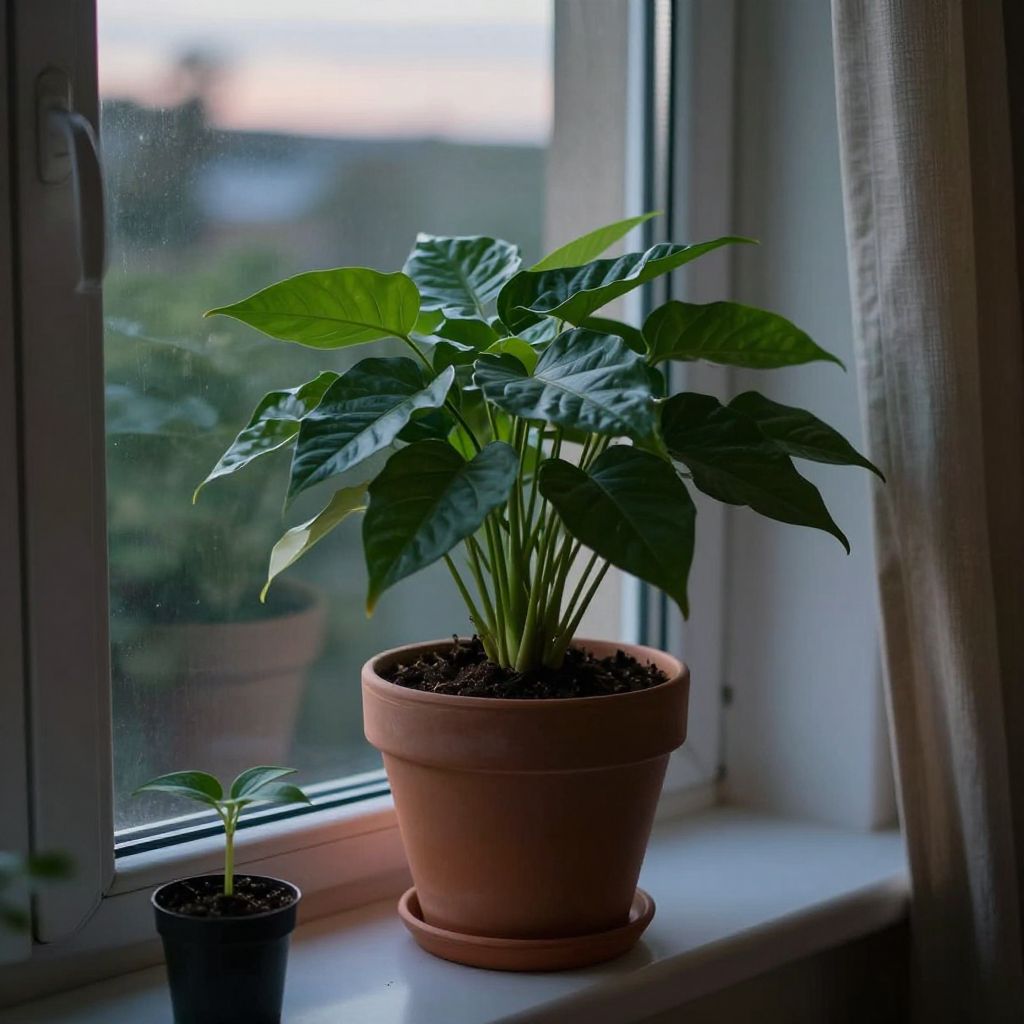
Do plants need darkness? Yes—most plants do. Darkness is part of the natural day-night cycle that lets plants rest, process energy, and carry out important growth functions. But the amount of darkness they need depends on whether they are indoor houseplants, seedlings, vegetables, or outdoor ornamentals.
If you’ve been wondering whether to leave grow lights on all night or whether a shaded corner is “bad” for a plant, the answer is more nuanced than a simple yes or no. The right balance of light and darkness affects growth, flowering, leaf color, and overall plant health.
Do plants need darkness?
Yes. Most plants need a regular dark period to grow normally, even though they make food during daylight. Darkness supports respiration, hormone balance, and flowering in many species. Continuous light can stress plants, while too little light or too much shade can weaken them.
Why darkness matters for plant growth
Plants use light for photosynthesis, but they do not “shut off” at night. During darkness, they continue respiring, moving sugars, and regulating growth processes that depend on a normal day-night rhythm.
This dark period helps plants avoid stress. Without it, many plants can become pale, stunted, or oddly shaped, and some may fail to flower properly.
What happens at night?
- Respiration continues as plants use stored sugars for energy.
- Growth hormones shift, which affects stem elongation and flowering.
- Some plants use night length as a signal to bloom or set buds.
- Leaves and stems recover from daytime heat and light stress.
How much darkness do plants need?
Most plants do best with a full night of darkness lasting roughly 8 to 12 hours, but the ideal amount varies by species. Short-day plants, long-day plants, and day-neutral plants all respond differently to night length, especially when flowering is involved.
General guide by plant type
- Houseplants: usually benefit from a consistent night cycle of about 8–12 hours of darkness.
- Leafy vegetables: often grow well with strong light by day and darkness at night, though exact needs vary by crop.
- Flowering plants: may need specific night lengths to bloom on schedule.
- Seedlings: need darkness too, but also enough light to avoid becoming leggy.
If you are using grow lights indoors, the goal is not “as much light as possible.” It is a balanced cycle that mimics natural conditions for the plant you are growing.
Can plants get too much light?
Yes. Too much light, especially without a dark period, can cause stress. Plants may show bleached leaves, curled edges, slowed growth, or poor flowering. Some species tolerate long days, but very few plants thrive under constant light for long periods.
Signs a plant is getting too much light
- Leaves look faded, scorched, or washed out
- Leaf tips dry or curl
- Growth becomes compact, weak, or distorted
- Flowers fail to open or buds drop
- Soil dries unusually fast because heat is too intense
Constant light can also interfere with the plant’s internal timing. Even if a plant survives, it may not perform at its best.
Do indoor plants need darkness?
Yes, indoor plants need darkness just like outdoor plants. A dark period helps them regulate growth and rest between light cycles. If your plants sit near a window, in a room with lamps on late, or under a grow light, try to give them a predictable night.
Indoor plant care tips
- Give plants a stable light schedule instead of random exposure.
- Turn grow lights off at night unless you are following a crop-specific lighting plan.
- Keep plants away from bright porch lights or indoor lamps that shine directly on them for hours.
- Match the light level to the plant’s needs rather than assuming more is better.
For most foliage houseplants, a bright spot with indirect light by day and darkness at night is ideal. If a plant sits in a very dim room, darkness is not the problem—insufficient light during the day is.
Do seedlings need darkness?
Seedlings need both strong light and darkness. Once seeds sprout, they usually need plenty of light to prevent stretching, but they still require a nightly dark period to grow normally. A 16-hour light and 8-hour dark cycle is common for many seedlings grown under lights, though crop needs vary.
Common seedling mistakes
- Leaving lights on 24 hours a day
- Using lights that are too weak or too far away
- Letting seedlings dry out because trays are under heat and light too long
- Confusing leggy growth from low light with a need for more hours of light alone
If seedlings are stretching, the fix is usually stronger light, closer light placement, or better timing—not eliminating darkness.
Do flowering plants need darkness to bloom?
Many flowering plants depend on night length to trigger blooming. These are often grouped as short-day, long-day, or day-neutral plants. In practical terms, some bloom only when nights are long enough, while others flower when nights are shorter.
Why this matters in the garden
If outdoor lighting spills onto a bed at night, it can disrupt flowering in sensitive plants. Streetlights, porch lights, and landscape lighting may interfere with bloom timing in some species.
- Short-day plants need long, uninterrupted nights to bloom.
- Long-day plants flower when nights are shorter.
- Day-neutral plants are less affected by night length.
If a plant is not flowering as expected, consider whether nighttime light exposure may be part of the problem.
Outdoor plants and natural darkness
Outdoor plants usually get the darkness they need naturally, but nearby artificial light can change that. Garden beds near security lights, patios, or illuminated windows may experience a “longer day” than the plant expects.
How to reduce light pollution in the garden
- Use shielding or downward-facing fixtures
- Turn off unnecessary lights at night
- Move sensitive plants away from bright outdoor bulbs
- Choose plant species that tolerate local conditions and lighting
In shady gardens, darkness is not the issue by itself. The real concern is whether the plant still receives enough usable daylight to photosynthesize and grow well.
How to tell if your plant is getting the right balance
Healthy plants usually show steady growth, normal leaf color, and appropriate flowering for the season. If the plant looks weak, check both the light intensity and the length of the dark period before changing anything else.
Quick troubleshooting checklist
- Is the plant getting enough bright light during the day?
- Is it exposed to light at night from lamps or grow lights?
- Is the plant species sensitive to day length?
- Are watering, drainage, and soil also contributing to stress?
It is easy to blame darkness when the real problem is poor daytime light, overwatering, compacted soil, or low humidity indoors.
Practical care tips for healthy day-night cycles
Good plant care is about consistency. Plants respond best when their light, water, and temperature stay reasonably steady from day to day.
- Match the plant to the site. Sun-loving plants need strong light outdoors or under grow lights; shade-tolerant plants need less direct sun.
- Keep a regular schedule. Use timers for grow lights so the plant gets predictable light and darkness.
- Water based on soil moisture. Darkness does not replace proper watering, and overwatering can cause more damage than poor light timing.
- Use well-draining soil. Roots need oxygen, especially in containers where wet soil can linger too long.
- Watch seasonal changes. In winter, indoor plants may need more light because days are shorter, not because they need less darkness.
Common mistakes to avoid
- Leaving grow lights on all night
- Assuming a dark room means a plant is “resting” even if it lacks daylight
- Putting flowering plants under porch lights that stay on after sunset
- Overcrowding plants so lower leaves stay shaded all day
- Changing light exposure too suddenly, which can stress sensitive plants
If you need to adjust a plant’s light exposure, do it gradually when possible. Sudden changes can cause leaf drop, sunburn, or stalled growth.
Conclusion: give plants light by day and darkness by night
So, do plants need darkness? Absolutely. Most plants need a regular dark period to grow, flower, and stay healthy. The exact amount depends on the species, but a stable day-night rhythm is almost always better than constant light.
Start by checking your plant’s daytime light, then make sure it also gets an uninterrupted night. If you want to understand the bigger picture of plant care, you may also find these guides helpful: What Do Plants Need to Grow? and What Does a Plant Need to Survive and Grow?