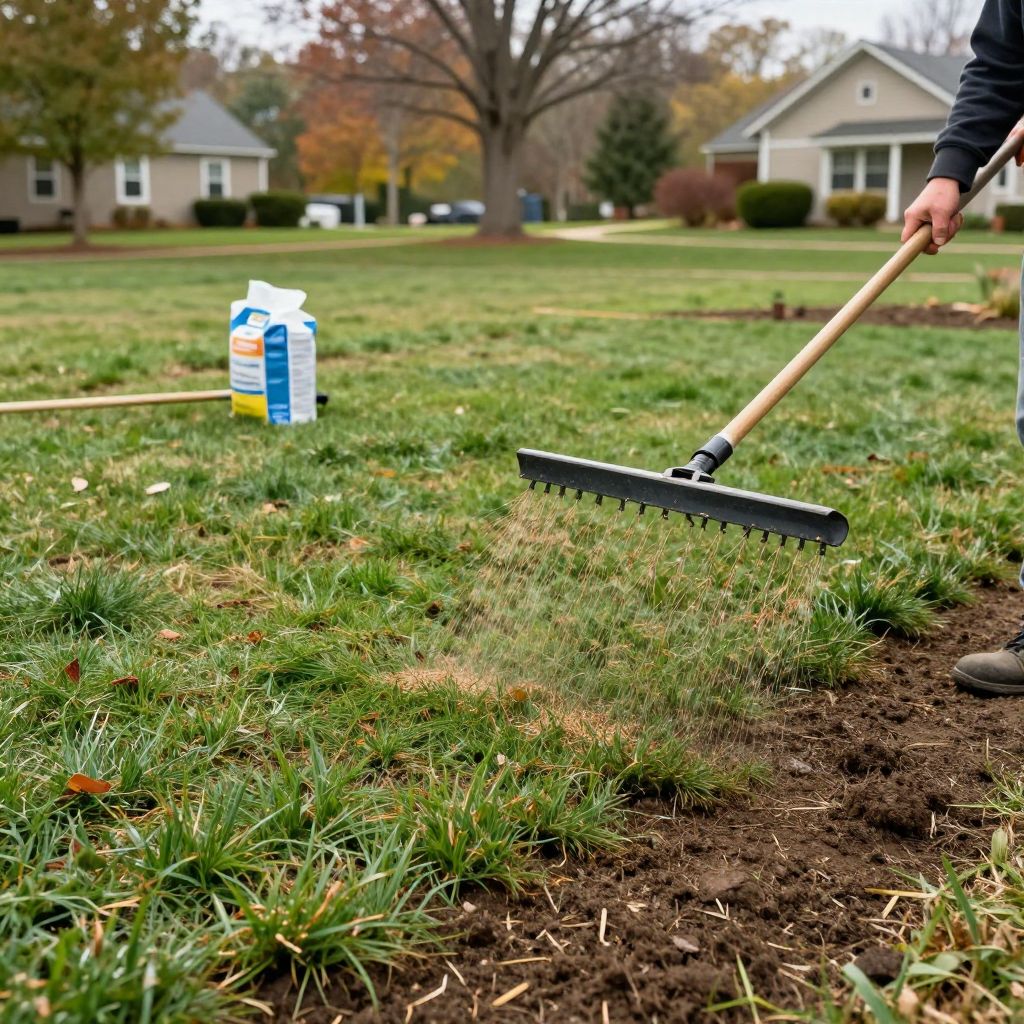
Trying to figure out when to plant grass seed in PA? The best time depends on whether you’re seeding cool-season turf, but in most of Pennsylvania, late summer to early fall is the safest window for strong germination and root growth.
You can also seed in spring if you miss the fall window, but you’ll need to manage weeds, heat, and watering more carefully. The right timing, plus good seed-to-soil contact and steady moisture, makes a big difference in how well new grass establishes.
When to plant grass seed in PA?
In Pennsylvania, the best time to plant grass seed is usually late August through mid-October, with early fall being ideal. Soil is still warm for germination, air temperatures are cooler, and weeds are less aggressive. Spring seeding can work, but fall generally gives grass more time to root before summer stress.
Why fall is the best planting time in Pennsylvania
Most lawns in Pennsylvania are planted with cool-season grasses such as Kentucky bluegrass, perennial ryegrass, and tall fescue. These grasses grow best when daytime temperatures are mild and nights begin to cool.
Fall offers several advantages:
- Warm soil speeds germination.
- Cooler air reduces stress on young seedlings.
- Fewer weed problems than spring.
- New grass has months to build roots before summer heat returns.
If you seed too late in fall, seedlings may not have enough time to establish before hard frost. If you seed too early in summer, heat and dry soil can make establishment much harder.
Best seeding windows by season
Late summer to early fall
This is the preferred time for most Pennsylvania lawns. Aim for a period when daytime temperatures are easing but the soil is still warm enough to support quick germination.
For much of the state, that means late August, September, and sometimes early October. In colder northern or higher-elevation areas, the safe window may close a bit earlier.
Spring seeding
Spring seeding can be successful if you have bare spots, erosion issues, or missed your fall opportunity. The challenge is that spring-planted grass must compete with fast-growing weeds and may face summer heat before it is fully established.
If you seed in spring, do it as early as practical after the soil is workable. Avoid waiting until late spring if hot weather usually arrives quickly in your area.
Summer seeding
Summer is the least favorable time to seed grass in PA. High temperatures, dry soil, and heavy foot traffic can reduce germination and kill young seedlings.
If you must seed in summer, focus on shaded areas, keep the soil consistently moist, and expect to provide extra care. Even then, results are usually less reliable than fall seeding.
How Pennsylvania climate affects timing
Pennsylvania has a range of conditions, so local weather matters more than the calendar alone. Western, central, and eastern parts of the state can differ in frost timing, rainfall, and summer heat.
Use these practical cues:
- Soil temperature is more useful than air temperature for germination.
- Cool-season grass seed often germinates well when soil stays in the mild range, not when it is hot or cold.
- If your area is already experiencing frequent frosts, it is probably too late for new seed to establish well.
When in doubt, seed earlier in the fall rather than later. That gives seedlings more time to root before winter.
How to prepare soil before planting grass seed
Good preparation matters as much as timing. Grass seed needs loose, moist soil and firm contact to sprout evenly.
- Clear the area of weeds, sticks, stones, and dead turf.
- Loosen the top layer of soil 2 to 3 inches deep if the area is compacted.
- Rake in compost if the soil is poor, thin, or low in organic matter.
- Level low spots so water does not pool.
- Roughen the surface slightly so seed can settle into the soil.
If your soil is very heavy clay or very sandy, adding compost can improve moisture retention and seedling success. A thin topdressing is usually better than burying seed under too much material.
Do you need a soil test?
A soil test is a smart step before seeding, especially if your lawn has struggled for years. It can tell you whether pH or nutrient issues are limiting growth.
Without a test, avoid guessing with heavy fertilizer applications. Too much fertilizer can burn seedlings or push weak, fast top growth before roots are ready.
How to plant grass seed for the best results
Once the timing is right, careful seeding makes a big difference. Grass seed should be spread evenly and kept in close contact with the soil.
- Choose a seed mix suited to your site, such as sun, shade, or general lawn mix.
- Spread seed evenly with a broadcast or drop spreader.
- Lightly rake to work seed into the top surface.
- Press seed into the soil with a lawn roller or by walking over it on boards if needed.
- Apply a thin layer of clean straw or a seed mulch if erosion or drying is a concern.
Do not bury grass seed deeply. Most lawn seed should be near the surface, not planted several inches down. Seed that is too deep may rot or fail to emerge.
Watering new grass seed in PA
New seed needs steady moisture to germinate. The soil should stay consistently damp, but not soggy, until seedlings are established.
In practice, that often means light watering more than once a day during dry weather, especially in warm fall afternoons or windy conditions. The goal is to keep the top layer from drying out.
Common watering mistakes
- Letting the seedbed dry out between waterings.
- Applying a heavy stream that washes seed away.
- Watering so much that puddles form and seed floats.
- Switching too quickly to infrequent deep watering before roots are ready.
As seedlings grow, gradually shift from frequent light watering to deeper, less frequent watering. That encourages stronger roots and better drought tolerance.
Sunlight, shade, and seed choice
Not every part of a Pennsylvania lawn gets the same amount of light. Seed selection should match the site.
For sunny areas, many cool-season lawn grasses perform well if they get enough water. For partial shade, look for mixes that tolerate lower light, and avoid expecting dense turf in deep shade under mature trees.
If a site gets less than about 4 hours of direct sun, grass may struggle no matter when you seed it. In those areas, pruning nearby trees, thinning dense canopy, or using a shade-tolerant groundcover may be more realistic than forcing turf.
How long grass seed takes to grow
Germination time depends on the grass type, soil temperature, moisture, and seed quality. Some grasses sprout quickly, while others take longer to show visible growth.
Even after germination, young grass needs several weeks to fill in and develop roots. Avoid mowing too soon, and keep foot traffic light until the lawn is established.
When to mow new grass
Mow only after seedlings are tall enough to cut without pulling out of the soil. Use a sharp blade and remove no more than one-third of the blade height at a time.
If the soil is soft or the lawn is patchy, wait a little longer. A premature mow can damage tender roots and slow establishment.
Common problems when planting grass seed in PA
Weeds competing with seedlings
Spring seedings often face more weed pressure. Hand-pulling small weeds is safer than using broadleaf herbicides on very young grass.
Wait until the new lawn is established before using most weed-control products, and always check the label for seedling safety.
Poor germination
If little or nothing comes up, the usual causes are dry soil, seed planted too deep, poor seed-to-soil contact, or planting at the wrong time of year.
Patchy germination can also happen if the seedbed crusts over after heavy rain. Lightly breaking the crust and keeping the surface moist can help remaining seed emerge.
Birds and erosion
Birds may eat exposed seed, and runoff can move seed on slopes. A light mulch, erosion blanket, or tackifier can help protect the area.
On sloped sites, seed in smaller sections and water gently so you do not wash seed downhill.
Summer heat stress
If seedlings emerge during a hot spell, they may wilt quickly. Extra shade, careful watering, and avoiding foot traffic can help, but the best prevention is planting earlier in fall.
Maintenance after seeding
New grass needs a simple but consistent care routine. Keep the area lightly moist, avoid heavy traffic, and wait to fertilize or weed-treat unless the product is clearly labeled for new lawns.
Once the lawn is established, transition to normal mowing and watering practices. A healthy, dense lawn is less likely to develop weeds, thin spots, or disease problems later.
- Keep pets and children off the area as much as possible.
- Watch for dry patches, especially near sidewalks and slopes.
- Fill in thin spots early so weeds do not move in.
- Mulch leaves lightly in fall instead of letting them smother seedlings.
Quick answer for Pennsylvania homeowners
If you want the best chance of success, seed your lawn in Pennsylvania in late summer to early fall. Prepare the soil well, keep the seedbed evenly moist, and match the seed mix to your sun and shade conditions. Spring can work too, but it usually needs more weed control and watering attention.
For more timing help, you may also want to read when to plant grass and when is the best time to plant grass.