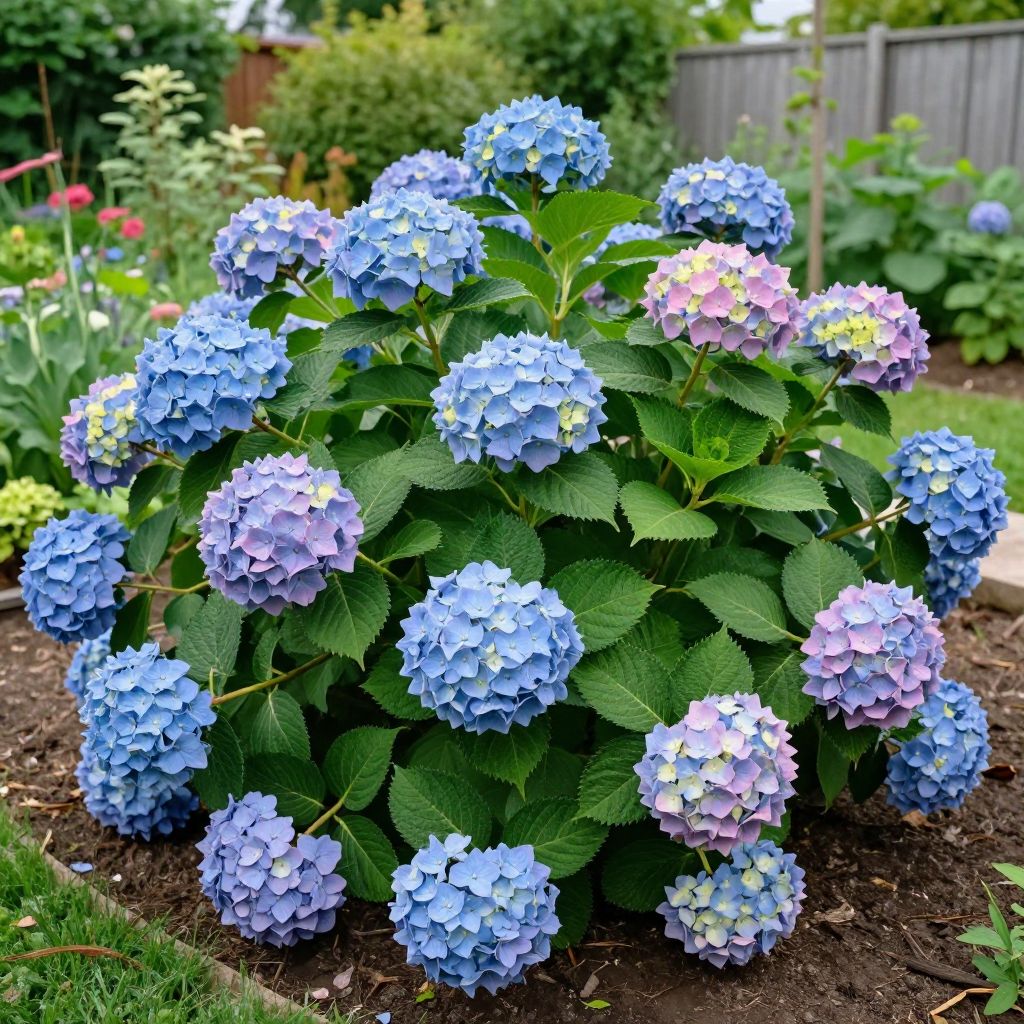
When are hydrangeas in season? If you want blooms for a garden border, cut flowers, or a seasonal landscape display, the answer depends on the type of hydrangea, your climate, and whether you mean flowering time or the best time to buy them.
Most hydrangeas bloom from late spring through summer, with many varieties peaking in mid to late summer. Some types flower earlier, some later, and dried blooms can extend their ornamental season well into autumn and winter.
When are hydrangeas in season?
Hydrangeas are generally in season from late spring through early fall, with the strongest bloom period usually in summer. In gardens, the exact timing depends on the species and local weather; in floristry and nurseries, hydrangeas may be available for longer because they are grown in protected conditions or sourced from different climates.
What affects hydrangea bloom season?
Hydrangea bloom time is influenced by the plant’s genetics, winter weather, spring frosts, pruning timing, and how much sun and moisture it gets. A hydrangea that flowers early in one region may bloom weeks later in another if spring arrives slowly or if the plant was cut back at the wrong time.
Common bloom windows by hydrangea type
- Bigleaf hydrangea (Hydrangea macrophylla): often blooms from early to midsummer, with some reblooming varieties continuing later.
- Panicle hydrangea (Hydrangea paniculata): usually blooms from mid-summer into fall and is one of the most reliable late-season bloomers.
- Smooth hydrangea (Hydrangea arborescens): typically flowers from early to midsummer.
- Oakleaf hydrangea (Hydrangea quercifolia): often blooms in late spring to early summer, then adds fall foliage color.
How to tell if your hydrangea is in season in your garden
If you’re looking at your own plant, “in season” means it is actively growing, setting buds, or flowering in your local climate. Watch for swelling buds in spring, fresh leafy growth, and then developing flower heads. Once blooms open, the plant is at its showiest stage; after that, the flowers may fade, dry, or change color.
Signs your hydrangea is approaching bloom
- Buds are swelling on stems or at branch tips.
- New leaves are emerging and deepening in color.
- Flower clusters are visible but still tight.
- Stems are firm and actively growing after spring warmth arrives.
Best growing conditions for reliable seasonal blooms
Hydrangeas bloom best when they get the right balance of light, moisture, and soil. Most prefer rich, well-drained soil that stays evenly moist but never soggy. In hot climates, morning sun with afternoon shade often works better than full sun all day.
Soil and drainage
Hydrangeas dislike waterlogged roots. If your soil is heavy clay, improve drainage by working in compost and planting on a slight mound or raised bed. In sandy soil, compost helps hold moisture so the plant doesn’t dry out too quickly in bloom season.
Sunlight
Light needs vary by species, but many hydrangeas do well with 4 to 6 hours of sun, especially morning sun. Too much shade can reduce flowering, while intense afternoon sun can scorch leaves and shorten bloom life in warm regions.
Watering during bloom season
Consistent moisture matters most when buds are forming and flowers are opening. Water deeply when the top few inches of soil begin to dry, rather than giving shallow daily sprinkles. Mulch 2 to 3 inches deep around the root zone, keeping it a few inches away from the stems.
How pruning changes when hydrangeas bloom
One of the most common reasons hydrangeas miss their season is pruning at the wrong time. Some types bloom on old wood, meaning they form flower buds the previous year. Others bloom on new wood and can be cut back in late winter or early spring without losing the season’s flowers.
Pruning mistakes to avoid
- Do not hard-prune old-wood bloomers in spring unless you know they bloom on new growth.
- Avoid removing all stems after winter if you are unsure of the type.
- Do not deadhead so late that you cut off developing buds on reblooming varieties.
If you are not sure what type you have, prune lightly: remove dead wood, weak stems, and spent blooms only as needed. That is safer than severe cutting and helps preserve the next season’s flowers.
How to extend the hydrangea season in the landscape
You can enjoy hydrangeas for a much longer stretch by choosing varieties with different bloom times and by caring for them through the season. A mix of early-, mid-, and late-blooming plants gives your garden more continuous color.
Practical ways to stretch bloom interest
- Plant more than one hydrangea type if your space allows.
- Choose a site with morning sun and afternoon shade in hot climates.
- Keep soil evenly moist during dry spells.
- Deadhead faded blooms only if it suits the variety and your pruning plan.
- Leave some flower heads on the plant for dried winter interest if the stems are sturdy.
Tip: Panicle hydrangeas are often the best choice if you want a long seasonal display, because they typically bloom later than many other types and often hold their form well into fall.
Why hydrangeas sometimes bloom poorly or out of season
If your hydrangea is healthy but not flowering when you expect it, the cause is often environmental rather than a disease. A late frost can damage buds, too much shade can reduce flowering, and excess nitrogen can produce leafy growth at the expense of blooms.
Common problems and fixes
- Few or no flowers: Check whether the plant was pruned too heavily or whether frost damaged buds.
- Leaves wilting in heat: Increase watering depth and add mulch, especially in afternoon sun.
- Flowers fading quickly: Provide some afternoon shade and avoid drought stress.
- Weak stems flopping: Reduce overly rich feeding and consider support for large-flowered types.
Hydrangeas rarely fail for one single reason. Usually, the best fix is to improve growing conditions, avoid harsh pruning, and give the plant a full season to recover if it was stressed the year before.
When to buy hydrangeas for planting
If you are shopping for hydrangeas, spring and early fall are often the easiest times to find healthy plants at garden centers in many regions. That said, the best planting time is when temperatures are moderate and the soil is workable, not during extreme heat or frozen ground.
What to look for at the nursery
- Firm stems and healthy green leaves.
- No severe wilting, spotting, or insect damage.
- Moist but not soggy potting mix.
- A plant size you can water and maintain well after planting.
Choose a plant that matches your climate and available light. A hydrangea that looks perfect in the nursery can still struggle if it is planted in a spot that is too hot, too dry, or too shaded for its needs.
Cut hydrangeas: when they are at their best
If you are growing hydrangeas for bouquets, harvest them when the flower heads are fully formed and the blooms are just beginning to feel papery or mature. Cutting in the cooler part of the day helps preserve freshness, and stems should be placed in water immediately.
Simple cutting tips
- Use clean, sharp pruners or floral snips.
- Cut stems early in the morning or late in the evening.
- Remove any leaves that would sit below the water line.
- Condition stems in cool water before arranging.
Some hydrangea blooms last better than others as cut flowers. If your goal is vase life, harvest from well-hydrated plants and avoid cutting during a heat wave or drought stress.
Seasonal care calendar for hydrangeas
A simple seasonal routine helps you get the most from the bloom period. The exact months will vary by region, but the care steps stay similar from year to year.
- Spring: Watch for new growth, protect tender buds from late frost, and prune only according to the plant type.
- Early summer: Water consistently as buds swell and flowers open.
- Midsummer: Deadhead carefully if appropriate, and monitor for heat stress or leaf scorch.
- Fall: Enjoy late blooms, then reduce disturbance as the plant prepares for dormancy.
- Winter: Leave sturdy dried heads for interest if desired, and avoid heavy pruning until you know the bloom habit.
Conclusion: timing your hydrangea season well
Hydrangeas are usually in season from late spring through early fall, with the peak bloom period most often landing in summer. To get the best display, match the variety to your climate, give it steady moisture, and prune according to whether it blooms on old wood or new wood.
If you want to plan a longer flowering season, start by identifying your hydrangea type and then adjust your care to fit it. For more seasonal garden planning, you may also find it helpful to read about hydrangea pruning basics and choosing plants for partial shade.