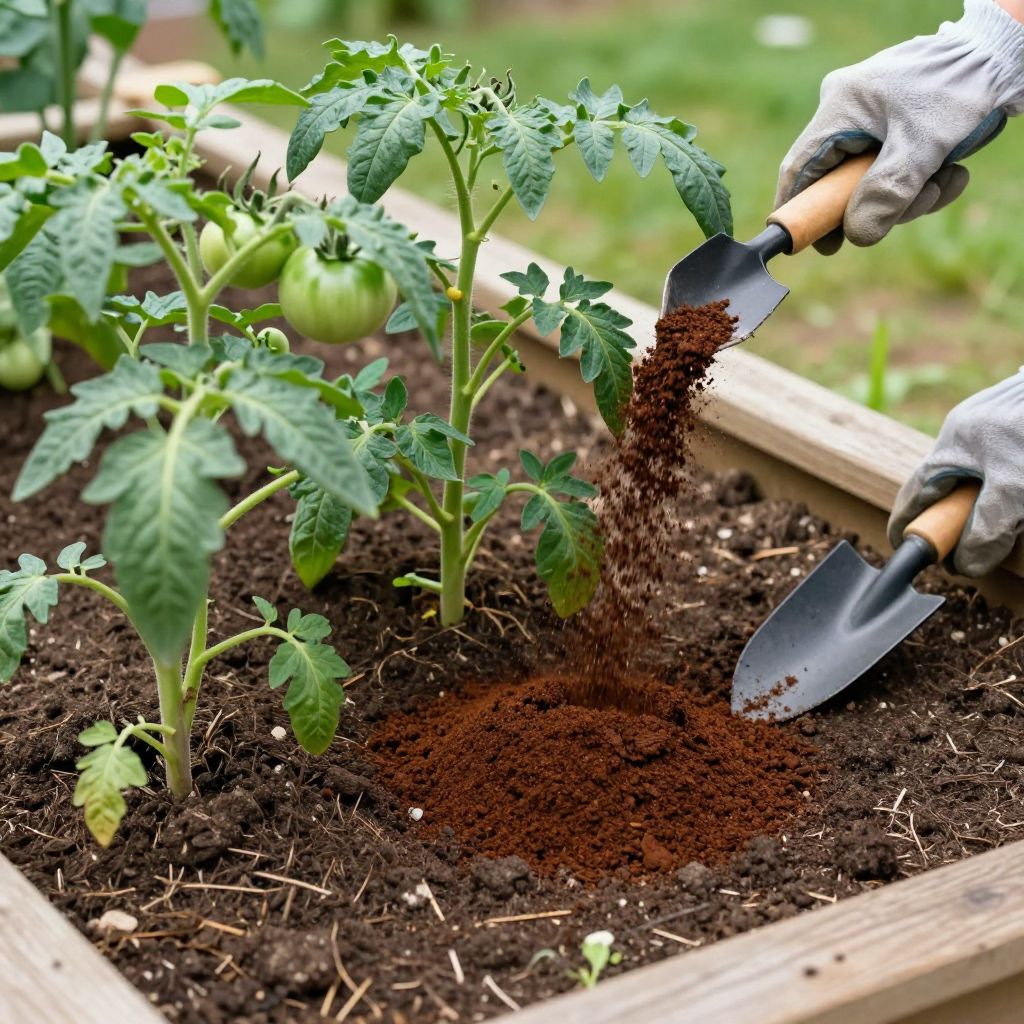
Are coffee grounds good for tomato plants? They can be, but only when you use them the right way. Coffee grounds are not a complete fertilizer, and fresh grounds used too heavily can create more problems than benefits for tomatoes.
Used in moderation, coffee grounds can support healthy soil, add organic matter, and feed compost microbes. The key is to treat them as a soil amendment, not a quick fix for tomato growth.
Are coffee grounds good for tomato plants?
Yes, coffee grounds can help tomato plants when they are composted or applied lightly and mixed into soil. They improve organic matter and may contribute small amounts of nutrients, but they are not a substitute for balanced fertilizing. Overuse can compact soil, slow drainage, or interfere with young roots.
What coffee grounds actually do in the garden
Used coffee grounds are often described as “acidic,” but once brewed, they are usually close to neutral. Their real value is in adding organic material and supporting soil life rather than dramatically changing pH.
Benefits for tomatoes
- Improves soil structure when composted or mixed into established beds in small amounts.
- Helps retain moisture in sandy soil when blended with other organic matter.
- Feeds earthworms and microbes as part of a healthy compost system.
- Can reduce waste if you already save kitchen scraps for compost.
What coffee grounds do not do
- They do not provide enough nitrogen, phosphorus, and potassium for tomatoes on their own.
- They do not reliably lower soil pH for acid-loving growth.
- They do not replace compost, mulch, or a proper tomato fertilizer program.
How to use coffee grounds safely around tomato plants
The safest approach is to compost coffee grounds first. If you want to use them directly, keep the layer thin and never let grounds form a dense crust on the soil surface.
Best ways to use them
- Add them to compost along with dry “brown” materials such as shredded leaves, straw, or cardboard.
- Mix finished compost into tomato beds before planting.
- Top-dress lightly with composted material around established plants.
- Use coffee grounds in worm bins if you already maintain one.
If you apply them directly
- Use only a thin sprinkle, not a thick layer.
- Scratch them lightly into the top inch of soil.
- Keep grounds a few inches away from the stem to avoid moisture buildup at the crown.
- Water after application so the grounds do not dry into a crust.
A thin application works best in garden beds with good drainage. In containers, use even more caution because pots can become compacted faster than in-ground soil.
When coffee grounds can cause problems
Coffee grounds are useful only when they are part of a balanced soil program. Too much can create a dense surface layer that blocks air and water, especially in small containers or heavy clay soil.
Common mistakes to avoid
- Applying a thick layer around the base of plants.
- Using grounds as the only fertilizer for tomatoes.
- Mixing large amounts into poorly drained soil without added compost or coarse organic matter.
- Using fresh grounds as a mulch in damp conditions, which can encourage mold growth.
- Expecting coffee grounds to fix blossom-end rot, yellow leaves, or stunted growth by themselves.
Signs you may have used too much
- Water sits on the soil instead of soaking in.
- The surface looks crusted or compacted.
- Seedlings or young transplants appear stressed.
- Mold or fungus grows on the top layer of the pot or bed.
Do tomatoes like acidic soil?
Tomatoes generally grow best in slightly acidic to near-neutral soil, usually around pH 6.0 to 7.0. Coffee grounds should not be used as a shortcut to acidify soil unless you have tested your soil and know it needs adjustment.
Why pH matters
If soil is too acidic or too alkaline, tomatoes can struggle to take up nutrients even when the nutrients are present. That can lead to pale leaves, weak growth, or poor fruiting.
If you are growing in a garden bed, a simple soil test is the smartest first step. In containers, use a quality potting mix made for vegetables and refresh it as needed through the season.
How coffee grounds fit into tomato soil care
Tomatoes are heavy feeders, especially once they begin flowering and setting fruit. Coffee grounds can support soil health, but they should be paired with compost, mulch, and a balanced feeding plan suited to your soil and plant stage.
For in-ground tomatoes
- Work compost into the bed before planting.
- Mulch with straw, shredded leaves, or other loose organic mulch.
- Use coffee grounds sparingly in the compost pile or as a light top-dressing.
- Water deeply and evenly to reduce stress and fruit disorders.
For container tomatoes
- Start with a free-draining potting mix, not garden soil.
- Avoid heavy layers of coffee grounds on the surface.
- Feed containers with a tomato fertilizer or compost-based feed according to the product label.
- Check drainage holes often, since compacted media can quickly weaken potted plants.
Can coffee grounds help with pests or diseases?
Coffee grounds are not a dependable pest control method for tomato plants. They may discourage some pests in certain situations, but they are not a reliable barrier against slugs, aphids, hornworms, or fungal diseases.
Better pest management for tomatoes
- Inspect plants regularly, especially the undersides of leaves.
- Remove hornworms by hand when you find them.
- Use row covers early in the season if pests are severe in your area.
- Water at the soil line to keep foliage drier and reduce disease pressure.
- Prune lower leaves that touch the soil to improve airflow.
If you notice leaf spots, yellowing, or fruit problems, look first at watering, drainage, spacing, and nutrient balance. Coffee grounds are rarely the real solution to those issues.
How to compost coffee grounds for tomatoes
Composting is the most practical way to use coffee grounds for tomato beds. It helps break them down evenly and prevents the clumping that can happen when they are used raw.
Simple composting tips
- Add coffee grounds in moderation as part of a mixed compost pile.
- Balance them with dry materials such as leaves, straw, or paper products.
- Turn the pile occasionally if you maintain an active compost system.
- Use finished compost when it looks dark, crumbly, and earthy.
Finished compost is much safer around tomato roots than fresh grounds. It also improves soil texture, moisture retention, and nutrient availability at the same time.
Practical tomato care tips that matter more than coffee grounds
If your goal is healthy tomatoes and a strong harvest, focus on the basics first. Coffee grounds can be a helpful extra, but they will not compensate for poor light, weak drainage, or inconsistent watering.
Give tomatoes what they need most
- Full sun for most of the day.
- Well-drained soil rich in organic matter.
- Consistent moisture, not frequent soaking and drying cycles.
- Room for airflow between plants.
- Support from cages, stakes, or trellises as plants grow.
Watch for these common tomato issues
- Blossom-end rot: often linked to uneven watering, not a lack of coffee grounds.
- Yellow lower leaves: may signal nutrient shortage, poor drainage, or normal aging.
- Cracked fruit: often caused by irregular watering after dry spells.
- Slow growth in containers: usually due to insufficient light, root crowding, or weak feeding.
Bottom line: should you use coffee grounds on tomatoes?
Yes, but use them wisely. Coffee grounds are best as a compost ingredient or a light soil amendment, not as the main feed for tomato plants. If you keep the layer thin, improve drainage, and pair them with compost and balanced care, they can be part of a healthy tomato-growing routine.
If you want to keep improving your tomato patch, it also helps to read more about soil preparation, composting, and tomato care basics before the next planting season.
Leave a Reply