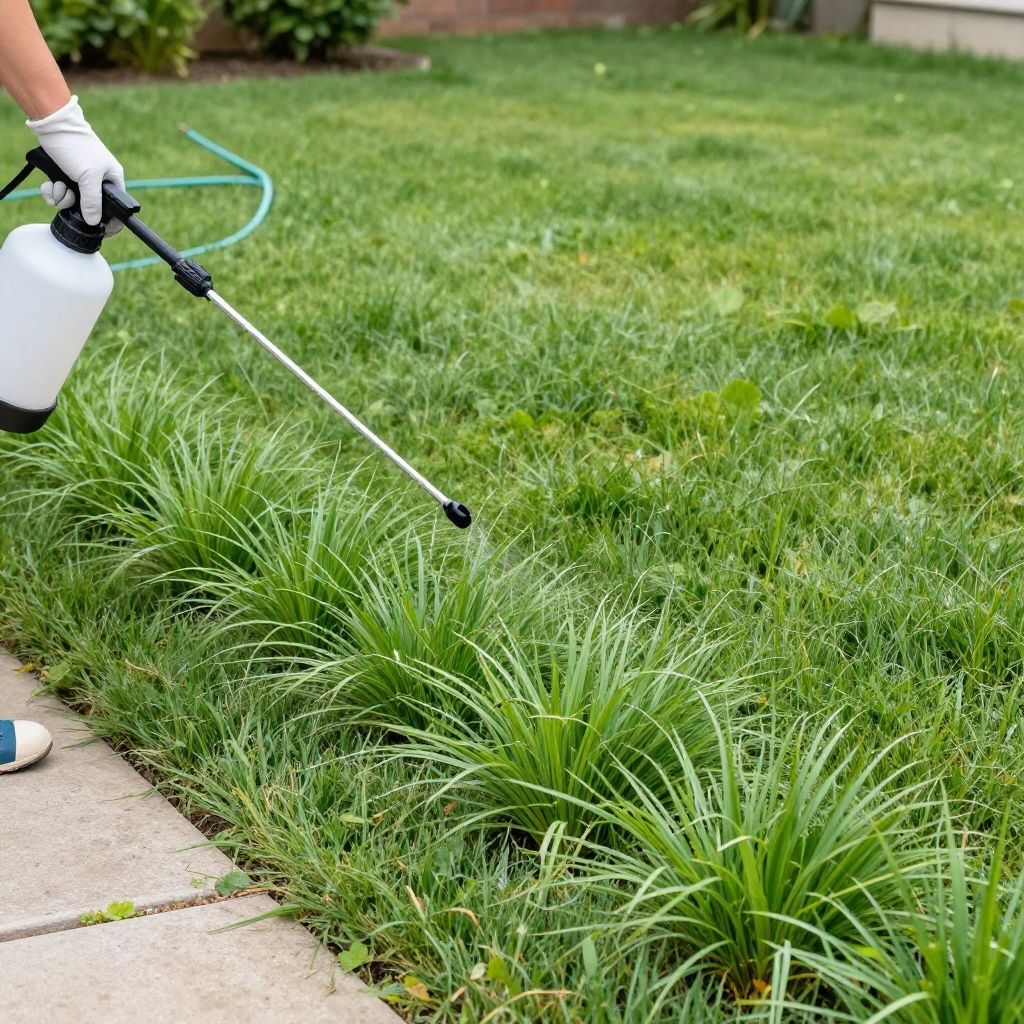
What kills crabgrass permanently? The honest answer is that nothing kills it “permanently” in one step unless you also stop new seeds from germinating. Crabgrass is an annual weed, so the plant dies each season, but the seed bank in your soil can keep bringing it back.
The real solution is a combination of removal, prevention, and better lawn care. If you tackle existing plants and then thicken the turf so crabgrass has no open space to invade, you can reduce it dramatically and keep it from becoming a recurring problem.
What kills crabgrass permanently?
The most effective long-term control is a two-part approach: kill existing crabgrass and prevent new seedlings with a pre-emergent herbicide or dense, healthy turf. For small patches, hand-pulling or spot-treating with a nonselective herbicide works; for repeated outbreaks, prevention and lawn repair matter more than any single spray.
Why crabgrass keeps coming back
Crabgrass (Digitaria spp.) is a warm-season annual. It germinates from seed when soil warms up, grows fast in thin or stressed turf, and dies with frost. The problem is not the old plant surviving winter; it is the huge number of seeds already in the soil.
That means “permanent” control is really about breaking the cycle year after year.
Conditions crabgrass loves
- Thin or bare lawn areas
- Compacted soil
- Hot, sunny spots
- Low mowing height
- Overwatering or frequent shallow watering
- Lawns stressed by drought or poor fertility
Best ways to kill crabgrass already growing
Once crabgrass is visible, you are dealing with established plants. Pre-emergent products will not kill those plants, so choose a post-emergent method that matches the size of the infestation and your lawn type.
1. Hand-pull small patches
For a few scattered plants, pull them when the soil is moist and the roots come out more easily. Crabgrass often roots at the nodes, so remove as much of the crown and root system as you can.
- Pull before it sets seed if possible.
- Bag seed heads and pulled plants if seeds are present.
- Fill the bare spot with soil and reseed or patch it so weeds do not return.
2. Spot-treat with a nonselective herbicide
For isolated patches in walkways, beds, or areas where you can avoid desirable plants, a nonselective herbicide such as glyphosate can kill crabgrass and surrounding vegetation. Use careful spot application only, because it will damage any plant it touches.
Best for: cracks, gravel, fence lines, and bare spots you plan to replant later.
3. Use a selective lawn herbicide labeled for crabgrass
In turfgrass, a selective post-emergent herbicide labeled for crabgrass can help if the infestation is not too advanced. These products work best on young crabgrass. Large, mature plants are harder to kill and may need a second treatment according to the label.
Always check the label for your grass type. Some lawns tolerate certain active ingredients better than others, and some products are not safe for newly seeded lawns.
4. Mow and remove seed heads
Mowing does not kill crabgrass, but it can reduce seed spread if the plant is already flowering. Bagging the clippings may help when seed heads are present, especially in a heavily infested area.
How to prevent crabgrass from returning
If you want lasting control, prevention is the most important part. Crabgrass prevention works best before seeds germinate, usually when soil temperatures warm in spring. In many climates, that means acting before you actually see crabgrass.
Use a pre-emergent herbicide at the right time
A pre-emergent herbicide forms a barrier in the soil that stops crabgrass seeds from sprouting. Timing matters more than the calendar, because local weather changes germination timing.
- Apply when soil begins warming in spring, before crabgrass seeds germinate.
- Water it in if the label requires watering after application.
- Do not disturb the soil too much afterward, or you may break the barrier.
- Follow the label if you plan to seed, because some pre-emergents also block desirable grass seed.
Important: pre-emergent herbicides do not kill existing crabgrass. They only stop new seedlings.
Thicken the lawn so crabgrass has nowhere to grow
A dense lawn is one of the best long-term defenses. Crabgrass thrives in thin turf where sunlight reaches the soil surface.
- Raise mowing height to suit your grass species.
- Sharpen mower blades so grass is cut cleanly.
- Overseed thin areas with grass suited to your climate.
- Topdress with compost only if it fits your lawn’s needs and does not smother the turf.
Healthy turf shades the soil, which makes it much harder for crabgrass seedlings to establish.
Improve drainage and reduce compaction
Crabgrass often shows up where soil is compacted or poorly drained. If water sits on the surface or roots cannot breathe, turf weakens and weeds move in.
- Aerate compacted lawn soil if appropriate for your turf type.
- Fix low spots that stay wet.
- Avoid heavy foot traffic on the same areas.
- Do not overwater; water deeply and less often when your lawn needs it.
Feed the lawn appropriately
Underfed lawns can thin out, but overfertilizing can also create weak, fast growth that needs more mowing and care. The goal is steady, appropriate nutrition based on your grass type and local conditions.
If you are unsure, a soil test is the safest starting point. It helps you correct pH or nutrient issues that may be contributing to thin turf.
What does not work well on crabgrass
Some common fixes sound promising but do very little once crabgrass is established. Avoid wasting time on methods that only burn the leaves or suppress the top growth briefly.
- Vinegar: may scorch foliage, but usually does not kill the roots or stop regrowth.
- Boiling water: works only in cracks, not in lawns, and can damage nearby plants and soil life.
- Frequent shallow watering: encourages shallow-rooted turf and helps crabgrass spread.
- Cutting it short repeatedly: may delay seed production, but it does not eliminate the plant.
Seasonal strategy for better control
Crabgrass control is easier when you match your actions to the season. Think of it as a yearly cycle rather than a one-time fix.
Early spring
- Apply pre-emergent before germination begins in your area.
- Repair thin turf and fix drainage problems.
- Sharpen mower blades and adjust mowing height.
Late spring to summer
- Pull or spot-treat escapes before seed heads form.
- Water deeply when needed, not lightly every day.
- Mow regularly enough to keep grass competitive.
Late summer to fall
- Overseed bare spots if your grass type and local conditions allow it.
- Remove dead crabgrass plants and fill gaps.
- Plan next spring’s prevention strategy.
Common mistakes to avoid
- Waiting until crabgrass is large before treating it.
- Using pre-emergent after seedlings are already up.
- Applying herbicides without checking lawn compatibility.
- Leaving bare soil exposed after removal.
- Mowing too short, which weakens turf and invites more weeds.
Troubleshooting stubborn crabgrass problems
If crabgrass keeps returning in the same spots, the issue is usually not just the weed itself. Look for the underlying cause.
If it returns in patches every year
Those spots may have compacted soil, poor drainage, or thin turf. Aeration, overseeding, and better mowing habits can help more than repeated spot spraying alone.
If it shows up near driveways or sidewalks
Heat reflection and dry soil often make these areas ideal for crabgrass. Improve coverage with tougher turf, or consider non-turf edging, mulch, or groundcover where grass struggles.
If you are seeding a lawn
Be careful with pre-emergent timing, because many products prevent grass seed from sprouting too. In that case, you may need to choose between seeding now and preventing crabgrass now, depending on your lawn’s condition and your local season.
The practical answer: what really kills crabgrass permanently?
Nothing kills crabgrass permanently by itself. The permanent solution is to kill existing plants, stop new seedlings with pre-emergent control, and build a thick, healthy lawn that crowds weeds out. That combination is what finally reduces crabgrass pressure over time.
If you want to make progress this season, start by removing what is already growing, then patch the bare spots and plan next spring’s prevention. For related lawn care reading, you may also want to look into how to overseed a thin lawn and how to choose the right pre-emergent herbicide.