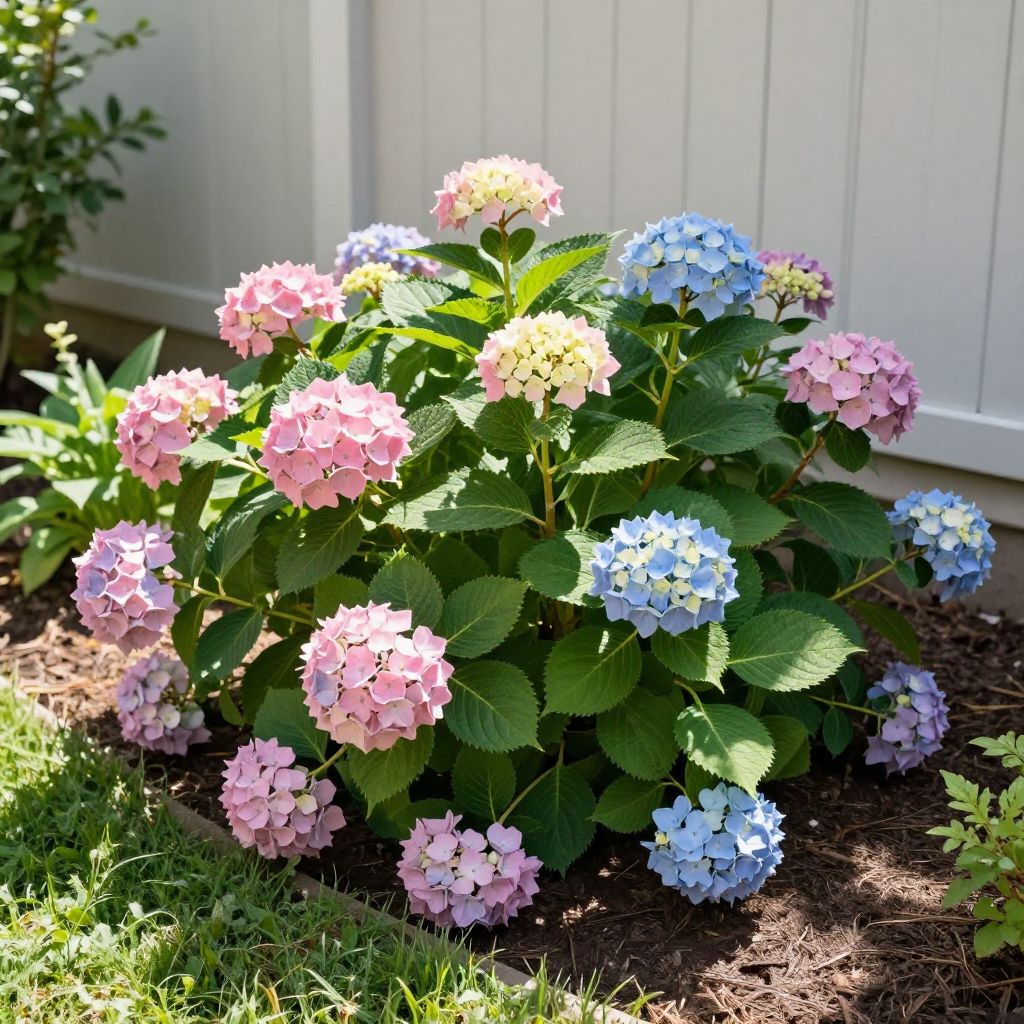
Are hydrangeas full sun? It depends on the type of hydrangea, your climate, and how much moisture the plant can access. Most hydrangeas grow best with morning sun and afternoon shade, especially in hotter regions, while some can handle more sun if the soil stays evenly moist.
If you give hydrangeas too much intense sun, the leaves can scorch and the flowers may fade quickly. With the right site and care, though, they can bloom beautifully in brighter spots than many gardeners expect.
Are hydrangeas full sun?
Most hydrangeas are not true full-sun plants. They usually perform best with 4 to 6 hours of sun, preferably morning sun and afternoon shade. In cooler climates, some hydrangeas can tolerate more direct sun, but in hot climates full sun often causes wilting, leaf scorch, and shorter bloom life.
How much sun hydrangeas really need
Hydrangeas are a broad group, and light needs vary by species and local weather. The safest rule is to match the plant to your climate, then watch how it responds during the hottest part of the day.
General sunlight guidelines
- Cooler climates: Hydrangeas may handle more sun, sometimes 6 or more hours, if the soil stays moist.
- Hot or dry climates: Morning sun with afternoon shade is usually best.
- Filtered light: Dappled shade under tall trees can work well if roots are not competing too heavily for water.
- Deep shade: Plants may survive, but flowering is often reduced.
If you are unsure whether your site is too sunny, watch the plant at midday. Leaves that droop even when the soil is moist, or blooms that brown quickly, are signs the plant needs less direct sun.
Best sun exposure by common hydrangea types
Different hydrangeas tolerate sun differently. Knowing which type you have helps you place it correctly and avoid disappointing bloom performance.
Bigleaf hydrangea (Hydrangea macrophylla)
Bigleaf hydrangeas are among the most sensitive to heat and harsh afternoon sun. They usually do best with morning sun and afternoon shade, especially in warmer regions.
Panicle hydrangea (Hydrangea paniculata)
Panicle hydrangeas are generally the most sun-tolerant of the common garden hydrangeas. In many climates they can take more direct sun than other types, but they still appreciate consistent moisture.
Smooth hydrangea (Hydrangea arborescens)
Smooth hydrangeas can handle a fair amount of sun if the soil is not dry. In hot climates, some afternoon shade helps keep the foliage fresher and reduces stress.
Oakleaf hydrangea (Hydrangea quercifolia)
Oakleaf hydrangeas usually prefer partial shade and benefit from protection from the hottest afternoon rays. Too much sun can make the large leaves look tired and dry.
What happens if hydrangeas get too much sun?
Too much sun does not always kill a hydrangea, but it can make the plant look stressed and reduce its ornamental value. The most common problems show up quickly in hot weather.
- Wilting leaves during the afternoon, even if the soil is not bone dry.
- Leaf scorch with crispy brown edges or pale, bleached-looking patches.
- Short-lived blooms that fade, brown, or dry out too fast.
- Slower growth and fewer flowers the following season if stress continues.
These symptoms are often worse in newly planted hydrangeas because their roots have not spread far enough to buffer heat and water loss.
How to grow hydrangeas in sunnier spots
If your garden is bright and open, you do not necessarily need to give up on hydrangeas. Instead, improve moisture retention, reduce heat stress, and choose the right location carefully.
Pick the right planting site
- Choose a spot with morning sun and afternoon shade if possible.
- Avoid reflected heat from walls, paving, or fences that intensify afternoon temperatures.
- Look for a site with good air movement, but not strong drying wind.
- Check how the area behaves in midsummer, not just in spring.
Improve the soil before planting
Hydrangeas prefer soil that holds moisture but drains well. A planting hole filled with rich, loose soil helps roots establish faster and reduces stress in sunny locations.
- Work in compost to improve soil structure and water retention.
- Avoid planting in compacted clay without loosening the surrounding soil.
- Do not bury the crown too deeply; keep the plant at the same level it was growing in the pot.
Mulch to keep roots cooler
A 2- to 3-inch layer of organic mulch helps conserve moisture and lowers soil temperature. Keep mulch a few inches away from the stems so the base of the plant stays dry and healthy.
Water deeply, not just often
Hydrangeas in sun need consistent moisture, especially during establishment and flowering. Deep watering encourages roots to grow downward, where soil stays cooler and wetter for longer.
- Water when the top inch or two of soil begins to dry.
- Soak the root zone thoroughly rather than sprinkling lightly.
- Water early in the day when possible so leaves dry before evening.
Container-grown hydrangeas dry out faster than in-ground plants, so pots in full sun are especially challenging. Choose a larger container, use a moisture-retentive potting mix, and monitor them closely in hot weather.
Can hydrangeas grow in full sun in cooler climates?
Yes, some hydrangeas can grow in full sun in cooler climates if the soil remains evenly moist and the plant is not exposed to harsh afternoon heat. Panicle hydrangeas are usually the best candidates. Even then, a little afternoon shade often improves flower quality and reduces watering stress.
Cooler temperatures reduce evaporation, so the same plant that struggles in a hot inland garden may do fine in a coastal or northern location. The key is not just sunlight, but the combination of sun, heat, wind, and soil moisture.
Pruning and maintenance for sun-exposed hydrangeas
Pruning needs depend on the hydrangea type, but general maintenance is simple: remove dead or damaged wood, keep the plant watered, and avoid unnecessary stress during hot weather.
Good maintenance habits
- Remove spent blooms only if it suits the species and your pruning timing.
- Cut out dead stems in late winter or early spring when appropriate for the type.
- Refresh mulch yearly to support moisture retention.
- Inspect for stress after heat waves and water thoroughly if needed.
Avoid heavy pruning at the wrong time. Some hydrangeas bloom on old wood, and cutting them back too hard can remove next season’s flowers. If you are not sure which type you have, identify it before pruning.
Common mistakes when growing hydrangeas in sun
Most hydrangea failures in sunny sites come from a few predictable mistakes. Avoiding them can make a big difference in plant health and bloom quality.
- Planting in full afternoon sun without any protection in hot climates.
- Letting the soil dry out completely between waterings.
- Using poor, compacted soil that drains badly or bakes hard.
- Mulching too close to the stems, which can invite rot.
- Assuming all hydrangeas are the same and placing them the same way.
Troubleshooting sun-stressed hydrangeas
If your hydrangea already looks unhappy, you can often improve it with a few practical adjustments. Start with the easiest fixes first.
If the leaves are wilting
Check the soil moisture before watering again. If the soil is dry several inches down, give the plant a deep soak. If the soil is moist but the plant still wilts in the afternoon, it may need more shade or protection from heat.
If the blooms are browning early
Hot sun, dry wind, and inconsistent watering are common causes. Increase mulch, water more consistently, and consider moving potted plants to a brighter but less intense location.
If the plant is growing but not flowering well
Insufficient light can be one reason, but so can improper pruning, excess nitrogen, or stress from heat and drought. Make sure the plant gets enough morning light and is not competing with tree roots for water.
How to choose the right hydrangea for your garden
If your garden is naturally sunny, the easiest solution may be choosing a more sun-tolerant hydrangea and giving it excellent soil and moisture. If your garden is hot and exposed, plan for afternoon shade from the start.
- Choose Hydrangea paniculata for brighter, cooler sites.
- Choose Hydrangea macrophylla or H. quercifolia for partial shade locations.
- Use containers only if you can water consistently and move pots if needed.
When in doubt, think less about “full sun” and more about “how much heat and dryness will this plant face?” That question usually leads to a better planting decision than sun hours alone.
Conclusion
Hydrangeas are usually not ideal full-sun plants, but some can handle brighter conditions if the climate is cool enough and the soil stays evenly moist. For the best results, give them morning sun, afternoon shade, rich soil, mulch, and steady water. If you are planning a new planting, observe your site for a full day before you dig.
If you want to keep learning about hydrangea care, look for related guidance on how to prune hydrangeas and the best soil for hydrangeas to help your plants bloom well in your garden.