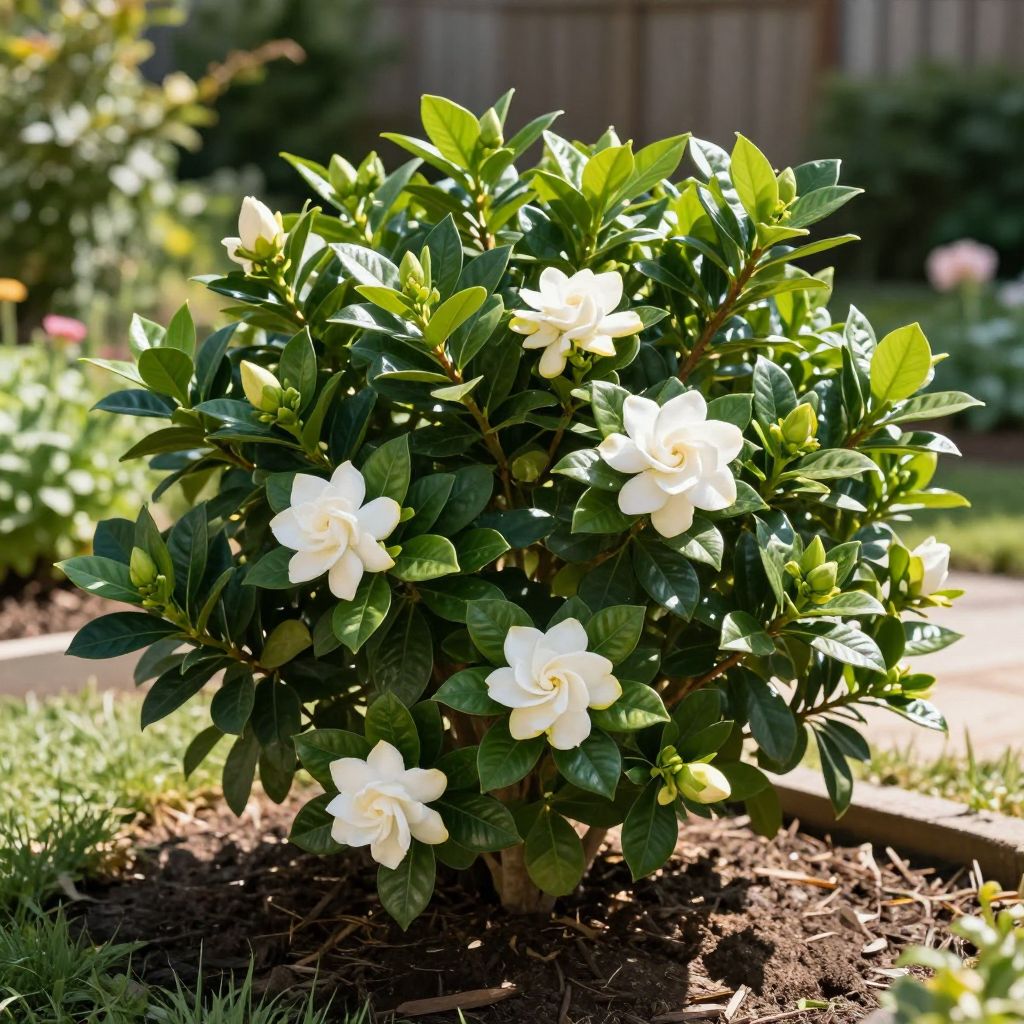
Do gardenias like full sun? They can, but only in the right conditions. Gardenias usually perform best with morning sun and afternoon shade, especially in hot climates. Too much intense sun can scorch leaves and stress buds, while too little light often leads to weak growth and fewer flowers.
If you want glossy foliage and fragrant blooms, the key is balancing light, heat, soil moisture, and drainage. Gardenias are beautiful but a little particular, so understanding how much sun they can take will help you place them where they thrive instead of struggle.
Do gardenias like full sun?
Gardenias can grow in full sun, but they do not always prefer it. In cooler regions or mild coastal climates, full sun may be fine if the soil stays evenly moist. In hot inland areas, gardenias usually do better with morning sun and filtered afternoon shade to prevent leaf scorch, bud drop, and heat stress.
How much sun gardenias really need
Most gardenias bloom best with 4 to 6 hours of direct sun, preferably in the morning. They need enough light to set buds and flower well, but harsh afternoon sun can be too intense, especially in summer.
Best light conditions by climate
- Cooler climates: Full sun is often acceptable if the plant is watered consistently.
- Hot climates: Morning sun with afternoon shade is usually the safest choice.
- Very humid areas: Good air circulation matters as much as sunlight to reduce disease pressure.
- Indoor gardenias: Bright light near a sunny window is essential, but avoid hot glass that overheats the plant.
If you are unsure whether your site is too sunny, watch the plant during the hottest part of the day. Leaves that curl, yellow, or develop brown edges may be receiving too much stress from sun and heat combined.
What happens if gardenias get too much sun?
Excessive sun does not always kill a gardenia quickly, but it can weaken the plant over time. The most common problems are scorched leaves, faded blooms, dry soil, and dropped buds before they open.
Signs of sun stress
- Leaf edges turning brown or crispy
- Leaves drooping in the afternoon, then recovering at night
- Buds dropping before opening
- Flowers fading faster than expected
- Soil drying out too quickly after watering
Heat stress is more likely when gardenias are planted against reflective walls, near pavement, or in exposed containers. These sites can make “full sun” feel even harsher than it sounds.
Can gardenias grow in shade?
Gardenias tolerate light shade, but deep shade usually reduces flowering. If the plant gets less than about 3 hours of direct sun, it may grow leafy and green but produce fewer buds.
The sweet spot is often dappled shade or morning sun with protection from the strongest afternoon rays. That balance supports healthy foliage and good bloom production without overheating the plant.
Where to plant gardenias for the best results
Site selection matters as much as sunlight. A gardenia planted in the right spot is easier to care for and more likely to bloom reliably.
Choose a location with these conditions
- Morning sun and afternoon shade, especially in warm climates
- Rich, well-drained soil that holds moisture without staying soggy
- Protection from strong wind, which can dry out leaves and buds
- Good air movement to help prevent fungal problems
- Room for mature spread, so branches are not crowded
For containers, place gardenias where they receive bright light but can be moved if summer heat becomes intense. Pots warm up quickly, so container-grown plants often need more protection than those in the ground.
Soil and drainage: just as important as sunlight
Even perfect sunlight will not help a gardenia if the soil is wrong. These shrubs prefer slightly acidic, organically rich soil that drains well but does not dry out too fast.
What gardenias like in the soil
- Drainage: Water should soak in, not pool around the roots.
- Organic matter: Compost or leaf mold helps improve texture and moisture retention.
- Acidity: Gardenias generally prefer acidic soil, though exact pH needs can vary by cultivar and local conditions.
If your soil is heavy clay, improve the planting area with organic matter and avoid low spots where water collects. In very sandy soil, compost helps the plant hold moisture longer between waterings.
How to care for gardenias in full sun
If you are growing gardenias in a sunnier site, success depends on steady care. The plant needs enough water, mulch, and root protection to handle stronger light.
Watering in sunny spots
Gardenias in full sun usually need more frequent watering than those in partial shade, but the goal is even moisture, not constant wetness. Water deeply when the top inch or two of soil begins to dry, then let excess water drain away.
- Water at the base rather than overhead when possible.
- Check container plants more often, since pots dry out quickly.
- Reduce stress during heat waves by watering early in the day.
Mulching for root protection
A 2- to 3-inch layer of mulch helps keep roots cooler and slows evaporation. Keep mulch a few inches away from the stem to prevent rot and pest problems.
Feeding gardenias carefully
Gardenias may benefit from a fertilizer made for acid-loving plants if the soil is lacking nutrients, but overfeeding can cause lush leaves with fewer flowers. If growth is pale or weak, soil testing is a better first step than guessing.
Pruning and maintenance for sun-exposed gardenias
Prune gardenias lightly after flowering, not heavily right before bloom season. Removing dead, damaged, or crossing branches improves airflow and helps the plant use light more efficiently.
Simple pruning tips
- Trim only what is necessary to shape the shrub.
- Remove spent blooms if you want a tidier look, but avoid cutting off developing buds.
- Do not shear gardenias into a tight hedge unless you are prepared for reduced flowering.
In full sun, pruning can help reduce stress by improving air circulation, but too much cutting exposes inner stems to sudden sunburn. Make changes gradually.
Common problems when gardenias get too much sun
When a gardenia is struggling in full sun, the symptoms can look like disease or nutrient problems. Before treating anything, check the light, soil moisture, and drainage.
Bud drop
Bud drop often happens when the plant is stressed by heat, dry soil, sudden temperature swings, or inconsistent watering. Move container plants to gentler light if needed and keep the root zone evenly moist.
Yellow leaves
Yellowing can come from poor drainage, alkaline soil, nutrient issues, or root stress. If the plant is in full sun and the soil dries out too fast, the roots may be struggling even if the leaves look like they need more fertilizer.
Leaf scorch
Brown, crispy patches usually mean the plant is getting more sun or heat than it can handle. A location with afternoon shade, plus mulch and consistent watering, often helps more than any spray or treatment.
Pests and diseases to watch for
Sun exposure alone does not cause pests or disease, but stressed gardenias are more vulnerable. Healthy placement and good air movement make a big difference.
Common issues
- Aphids: Often cluster on new growth and buds.
- Whiteflies: Can appear on the undersides of leaves.
- Scale insects: May look like small bumps on stems and leaves.
- Powdery mildew or leaf spot: More likely when airflow is poor or foliage stays wet too long.
Inspect plants regularly, especially in warm weather. If you catch problems early, a strong spray of water, pruning for airflow, or a targeted horticultural treatment may be enough, depending on the issue.
Growing gardenias in containers
Container gardenias can be easier to position for the right amount of sun, but they also dry out and heat up faster than in-ground plants. This makes light management especially important.
Container care basics
- Use a pot with drainage holes.
- Choose a quality potting mix that drains well but retains some moisture.
- Place the container where it gets bright morning light and some afternoon protection in hot weather.
- Check moisture often, especially during windy or hot spells.
If a potted gardenia gets too much sun, moving it is often the fastest fix. Even a few feet of shade can make a noticeable difference.
How to tell if your gardenia is in the right spot
A healthy gardenia usually has glossy leaves, steady new growth, and buds that open well. If the plant looks good but is not flowering, it may need more light. If it is flowering poorly and showing scorch, it may need less.
Quick placement check
- Observe how many hours of direct sun the plant gets.
- Note whether the hottest afternoon sun hits the leaves.
- Check soil moisture 1 to 2 inches below the surface.
- Look for bud drop, scorch, or weak flowering.
- Adjust light exposure gradually if needed.
Conclusion: the best sun for gardenias
So, do gardenias like full sun? Sometimes, but morning sun and afternoon shade is the safest all-around choice for many gardens. If you want better blooms, start by matching the plant to your climate, then keep the soil evenly moist and well drained.
If you are planning a new planting, choose the brightest spot that still protects the shrub from harsh afternoon heat. For more plant care ideas, you may also want to read about how to improve acidic soil for flowering shrubs and pruning flowering shrubs without reducing blooms.