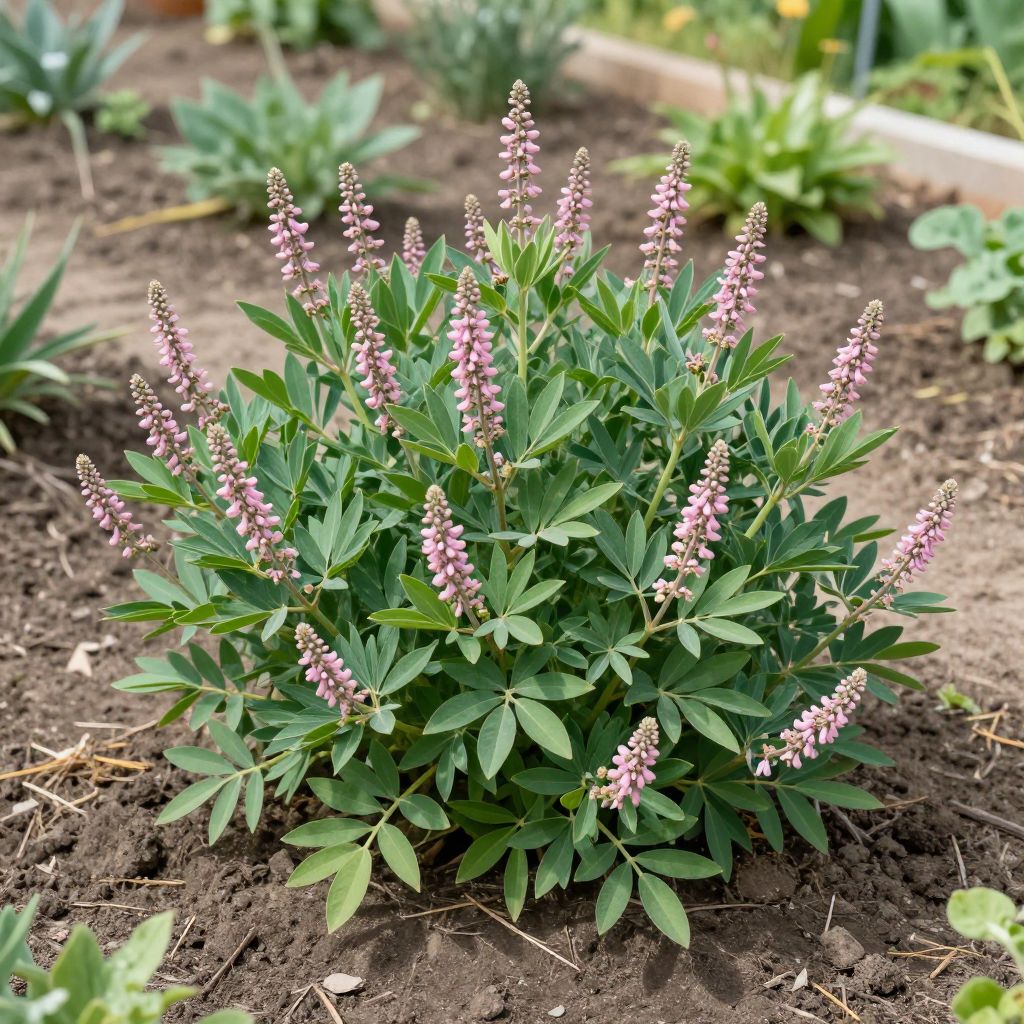
Wondering what is indigo plant and whether it belongs in your garden? Indigo is a group of plants grown for their blue flowers, attractive foliage, and, in some species, the natural blue dye found in their leaves. The exact plant you have matters, because “indigo” can refer to several different species with different sizes, climates, and care needs.
If you want to identify indigo correctly and grow it well, focus on leaf shape, flower form, growth habit, and local climate. Once you know which indigo you have, the planting, pruning, and watering needs become much easier to manage.
What is indigo plant?
Indigo plant usually refers to species in the Indigofera genus, especially dye-producing shrubs and herbs grown for their blue flowers and, in some types, leaves used to make indigo dye. In gardens, indigo is typically a warm-season, sun-loving plant that prefers well-drained soil and moderate water.
How to identify indigo plant
Indigo plants are often mistaken for other legumes, so identification starts with the whole plant, not just the flowers. Look for compound leaves, pea-like blossoms, and a branching habit that may be low and shrubby or upright, depending on the species.
Key identification features
- Leaves: Usually compound, with multiple small leaflets along one stem.
- Flowers: Often pea-shaped and arranged in short spikes or clusters.
- Growth habit: Can be a small shrub, subshrub, or herbaceous plant.
- Pods: As a legume, it may form seed pods after flowering.
- Color: Flowers are often pink, purple, or blue, depending on the species.
Common confusion with other plants
Some gardeners confuse indigo with lupine, baptisia, or other pea-family plants because they share similar flowers and foliage. If the plant has woody stems, fine leaflets, and a legume-type pod, it is more likely to be an Indigofera species than a true lupine.
Best growing conditions for indigo
Most indigo plants grow best in full sun, warm temperatures, and soil that drains quickly. They do not like soggy roots, and they usually perform poorly in heavy clay unless the soil is amended or raised above the wettest area.
Sunlight
Give indigo at least 6 hours of direct sun daily if possible. In very hot climates, light afternoon shade can help prevent stress, especially for young plants or newly transplanted specimens.
Soil
Use loose, well-drained soil with moderate fertility. A slightly sandy or loamy texture is ideal. If your soil stays wet after rain, improve drainage with compost and coarse organic matter, or grow indigo in a raised bed.
Water
Water young plants regularly until established, then let the surface of the soil dry slightly between waterings. Mature indigo is often more drought-tolerant than many garden plants, but it still benefits from deep watering during prolonged dry spells.
Climate
Indigo species vary in cold tolerance, so check the specific type before planting outdoors year-round. In cooler regions, some gardeners grow indigo as an annual or in containers that can be moved to shelter.
How to plant indigo in the garden
Plant indigo when the weather is warm and frost risk has passed for your area, or follow the timing recommended for your specific species. Because local climate matters, avoid using a fixed calendar date unless you know your region well.
Step-by-step planting guide
- Choose a sunny site with drainage that does not hold water after rain.
- Loosen the soil to a depth of about 8 to 12 inches.
- Mix in compost if the soil is poor, but do not overdo rich amendments.
- Dig a hole slightly wider than the root ball.
- Set the plant at the same depth it was growing in its pot.
- Backfill, firm gently, and water thoroughly to settle the soil.
- Mulch lightly, keeping mulch a few inches away from the stem.
Container growing
Indigo can grow well in a container if drainage is excellent. Use a pot with large drainage holes and a free-draining potting mix rather than heavy garden soil. Containers dry faster than garden beds, so check moisture more often in hot weather.
How to care for indigo plant
Once established, indigo is usually a fairly low-maintenance plant. The main goals are to avoid waterlogged roots, keep the plant in strong light, and prune it enough to maintain shape and airflow.
Feeding
Indigo generally does not need heavy fertilizing. Too much nitrogen can encourage leafy growth at the expense of flowers. If your soil is poor, a light application of compost in spring is usually enough for many garden situations.
Pruning
Prune after flowering or during the active growing season if the plant becomes leggy. Remove dead, weak, or crossing stems to improve shape and air circulation. For shrubby types, light shaping is better than hard cutting unless the plant is overgrown.
Mulching
Use a thin layer of organic mulch to conserve moisture and suppress weeds. Keep mulch away from the crown so the base of the plant does not stay damp, which can encourage rot.
How to propagate indigo
Indigo can often be propagated from seed or cuttings, depending on the species. Seed is usually the simplest method for home gardeners, while cuttings are useful if you want a plant that matches the parent more closely.
Growing from seed
- Collect mature pods when they turn dry and brown.
- Remove the seeds and store them in a cool, dry place if not sowing right away.
- Start seeds in a warm, bright location with well-draining seed-starting mix.
- Keep the mix lightly moist, not wet.
- Transplant seedlings after they are sturdy and the weather is suitable.
Taking cuttings
Take healthy, non-flowering stems and root them in a moist, airy medium. This works best in warm conditions with bright light and steady humidity. Avoid cuttings from stressed or diseased plants.
Harvesting indigo leaves or flowers
If your goal is dye production, harvest leaves according to the needs of your specific indigo species and dye method. For ornamental use, you are usually harvesting flowers by simply deadheading or cutting stems for display.
For ornamental use
Cut flower stems when blooms are fresh for the longest vase life. Remove spent flower spikes to encourage a tidier plant and, in some cases, more blooms.
For dye use
Harvest only healthy foliage from established plants. Avoid stripping the plant too heavily, because it needs leaves to keep growing strongly. The best harvest timing and processing method depend on the species you are growing.
Common indigo plant problems
Most problems with indigo come from too much water, poor drainage, low light, or overcrowding. Catching these issues early usually saves the plant and improves flowering.
Yellowing leaves
Yellow leaves can signal overwatering, poor drainage, or nutrient imbalance. Check the soil first. If it feels wet several days after watering, reduce irrigation and improve drainage before adding fertilizer.
Few flowers
Insufficient sun is a common reason indigo flowers poorly. Excess fertilizer, especially nitrogen-heavy products, can also push leafy growth instead of blooms. Move the plant to a brighter spot if possible.
Root rot
Root rot is most likely in heavy, soggy soil or containers without enough drainage holes. Prevent it by using a free-draining mix and watering only when the top layer of soil begins to dry.
Pests
Depending on your region, aphids, caterpillars, and other sap-feeding insects may appear on indigo. Inspect new growth and the undersides of leaves regularly. A strong spray of water or hand removal can help with light infestations.
Indoor vs. outdoor growing
Outdoors, indigo needs sun, warmth, and drainage. Indoors, it usually struggles unless you can provide very bright light, good airflow, and careful watering. If you grow it inside, place it near the brightest window you have or use supplemental lighting.
Indoor care tips
- Use a pot with drainage holes.
- Rotate the plant so growth stays even.
- Water less often than you would outdoors, since indoor soil dries more slowly.
- Watch closely for spider mites and aphids in dry indoor air.
Design ideas for the landscape
Indigo can work well in mixed borders, pollinator gardens, and warm-season plantings. Its fine texture pairs nicely with grasses, salvias, and other sun-loving perennials that appreciate similar drainage.
Where it fits best
- Sunny cottage-style beds
- Dry borders with good drainage
- Pollinator-friendly plantings
- Containers on patios or sunny decks
Mistakes to avoid
- Planting in wet soil: This is one of the fastest ways to lose indigo.
- Overfertilizing: Too much nitrogen can reduce flowering.
- Giving too little sun: Weak light leads to lanky growth.
- Pruning too hard at the wrong time: Heavy cuts can stress the plant if it is already struggling.
- Assuming all indigo plants are the same: Species differ, so identify yours before making major care decisions.
Conclusion
If you were asking what is indigo plant, the short answer is that it is usually a sun-loving Indigofera species grown for its flowers, foliage, or dye potential. Identify the exact plant first, then give it warmth, full sun, and well-drained soil for the best results. If you want to learn more about matching plants to your site, explore other guides on soil drainage and sun-loving shrubs.