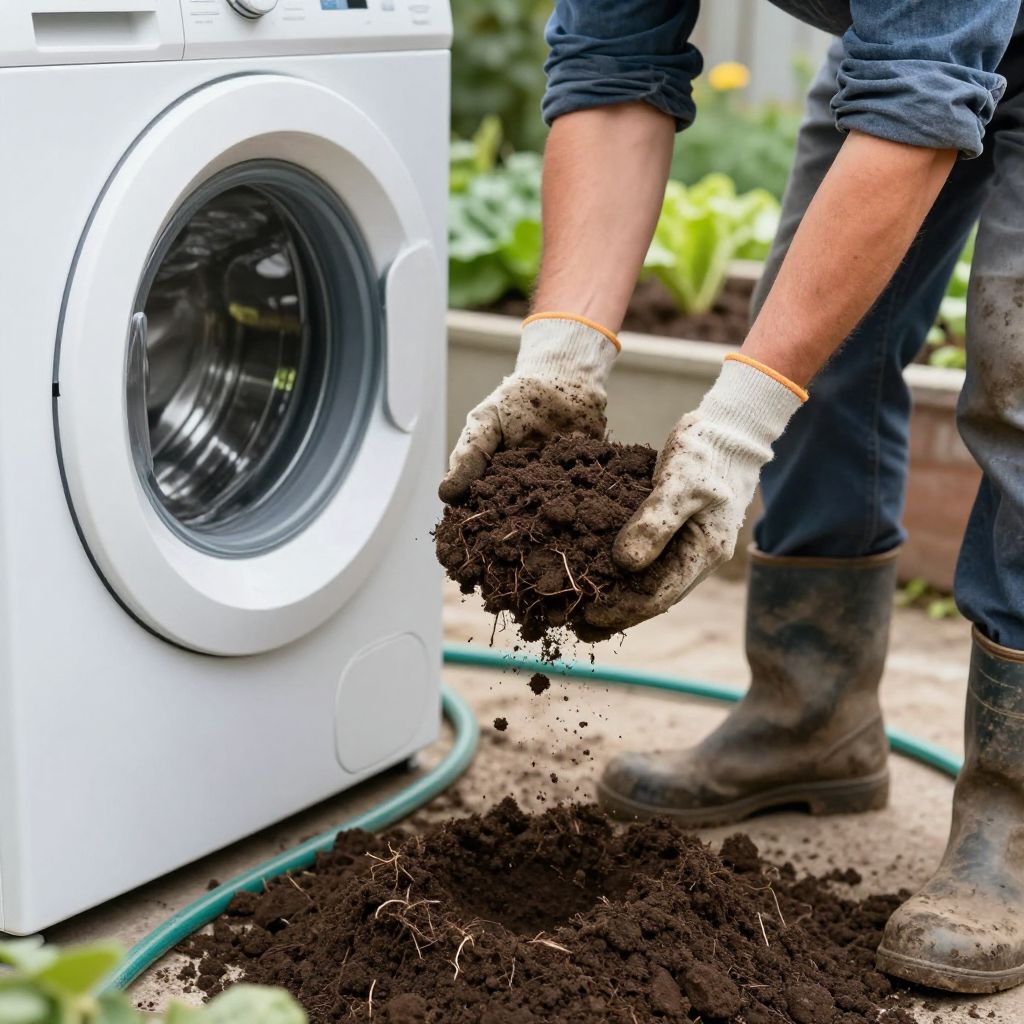
What does soil mean on washer in a gardening sense? If you’ve seen the phrase on a laundry machine and wondered whether it has anything to do with your garden, the short answer is no: it usually refers to how dirty the clothes are, not garden soil. But if your real question is about soil for plants, the right soil choice matters a lot for drainage, roots, and healthy growth.
This guide clears up the confusion and then helps you understand what good garden soil should do for your plants. You’ll learn how to identify soil problems, improve poor ground, and choose the right mix for beds, containers, and lawns.
What does soil mean on washer?
On a washer, “soil” usually means the amount of dirt or grime on laundry, not garden soil. In gardening, soil is the growing medium that supports roots, holds water and nutrients, and allows air to reach plants. Healthy soil should be loose enough for roots to spread, yet stable enough to hold moisture.
What gardeners should know about soil quality
Good soil is more than “dirt.” It is a living mix of mineral particles, organic matter, air, water, and microorganisms. The best soil for most plants drains well, holds some moisture, and contains enough organic matter to feed roots and improve structure.
Signs your soil is working well
- It crumbles easily in your hand instead of forming a hard lump.
- It drains after rain without staying soggy for days.
- Roots can spread without hitting a dense, compacted layer too quickly.
- It smells earthy, not sour or rotten.
- Earthworms or other beneficial soil life are present.
Signs your soil needs improvement
- Water pools on the surface or runs off quickly.
- The soil is hard, crusted, or full of clods.
- Plants wilt even when the soil seems wet.
- Leaves yellow, growth stays weak, or roots look stunted.
- The soil dries into a brick or stays sticky and muddy.
How to identify your soil type
Before you amend anything, figure out what you’re starting with. Most gardens contain some combination of sand, silt, and clay, and each behaves differently with water and nutrients.
Simple jar test
- Fill a clear jar about one-third full with garden soil.
- Add water until the jar is nearly full.
- Shake hard for a minute or two.
- Let it settle for several hours or overnight.
- Observe the layers: sand settles first, then silt, then clay.
If the top layer is thick and the jar stays cloudy for a long time, your soil may be clay-heavy. If it settles quickly with a gritty feel, it may be sandy. A balanced mix with some organic matter is often easiest for home gardeners to manage.
Hand feel test
Moisten a handful of soil and squeeze it.
- Sandy soil feels gritty and falls apart easily.
- Clay soil feels sticky and forms a tight ribbon or ball.
- Loam feels crumbly, slightly smooth, and holds together without becoming gummy.
How to improve garden soil the right way
The best long-term soil fix is usually organic matter. Compost improves structure, helps sandy soil hold water, and helps clay soil drain and breathe better. It also supports beneficial microbes that help plants access nutrients.
Best soil amendments for home gardens
- Compost: the most useful all-purpose amendment for beds and borders.
- Leaf mold: excellent for moisture retention and soil structure.
- Well-rotted manure: useful where appropriate and fully aged.
- Mulch: protects the surface, reduces crusting, and slows evaporation.
Work amendments into the top 6–12 inches of soil for new beds, or top-dress established beds with 1–3 inches of compost and let worms and weather pull it down over time. Avoid overworking wet soil, especially clay, because that can make compaction worse.
Mistakes to avoid
- Adding sand to clay in small amounts, which can create a concrete-like mix.
- Using fresh manure directly around tender plants.
- Digging or tilling when soil is waterlogged.
- Expecting one amendment to fix every soil problem at once.
Soil for containers, raised beds, and in-ground gardens
Not all growing spaces need the same soil. Containers dry out faster and need a lighter, more open mix. Raised beds often benefit from a blend that drains well but still holds moisture. In-ground gardens depend on the native soil plus organic matter and mulch.
Container soil basics
Use a potting mix made for containers, not heavy garden soil. Potting mix is usually lighter and designed for airflow and drainage, which helps roots avoid rot.
- Choose containers with drainage holes.
- Refresh old potting mix if it has compacted or lost structure.
- Water thoroughly, then let excess drain away.
Raised bed soil basics
Raised beds do best with a fertile, well-draining blend. Many gardeners use a mix of topsoil, compost, and other organic material, but the exact blend depends on what is available locally and how much drainage your site needs.
In-ground soil basics
If you garden directly in the ground, focus on gradual improvement. Deep compost additions, mulch, and reduced compaction usually work better than trying to replace all native soil at once.
Water, drainage, and soil health
Soil and water work together. If soil drains too fast, plants may dry out quickly. If it drains too slowly, roots can suffocate and diseases can increase. The goal is a balance that matches your plant and climate.
How to check drainage
- Dig a hole about 12 inches deep and 6–8 inches wide.
- Fill it with water and let it drain.
- Refill it and time how long the second fill takes to drain.
Very slow drainage suggests compaction or heavy clay. In that case, improve the soil structure with compost, reduce foot traffic, and consider planting species that tolerate wetter conditions if the site stays damp naturally.
Common watering mistakes
- Light, frequent watering that keeps the surface damp but never reaches deeper roots.
- Overwatering in cool weather when evaporation is low.
- Watering on a fixed schedule without checking soil moisture first.
Instead, water based on plant needs, weather, and soil feel. For most gardens, it is better to water deeply and less often than to sprinkle lightly every day.
How soil affects plant growth and problems
Poor soil often shows up as weak growth, yellowing leaves, blossom drop, or repeated pest and disease issues. When roots cannot breathe or spread, the whole plant struggles, even if the top growth looks fine at first.
Common symptoms and likely soil causes
- Yellow leaves: poor drainage, nutrient imbalance, or compacted roots.
- Wilting in wet soil: root damage from soggy conditions.
- Slow growth: low organic matter, compacted soil, or poor root access.
- Cracked surface soil: clay-heavy soil that dries and shrinks.
- Plants tipping or shallow roots: thin topsoil or hard subsoil beneath.
Before adding fertilizer, check the soil structure. Fertilizer cannot fix compacted or waterlogged soil, and too much can worsen stress or burn roots.
Seasonal soil care for better results
Soil care changes through the year. In cool, wet periods, the main goal is avoiding compaction and poor drainage. In hot, dry weather, the focus shifts to moisture retention and mulching.
Spring
- Test drainage after winter rains.
- Add compost to beds before planting.
- Wait until soil is workable before digging or tilling.
Summer
- Mulch exposed soil to reduce evaporation.
- Water deeply during dry spells.
- Watch for crusting, especially in clay soil.
Fall
- Top-dress beds with compost.
- Plant cover crops where suitable.
- Protect bare soil from erosion and compaction.
Winter
- Avoid walking on frozen or saturated beds.
- Keep soil covered with mulch or plant residue where appropriate.
- Plan improvements based on what grew well and what struggled.
Practical troubleshooting for stubborn soil
If your soil still performs poorly after basic improvements, look for a deeper issue. Sometimes the problem is not the topsoil but a compacted layer underneath, poor grading, or a site that naturally stays wet or dry.
When to consider a soil test
A soil test is useful if plants keep failing, leaves show unusual symptoms, or you want to know pH and nutrient levels before planting. It can help you avoid guessing and prevent unnecessary amendments.
When to change plants instead of soil
Some sites are simply better suited to different plants. If your area stays wet, choose moisture-tolerant species. If it drains fast and dries out, choose drought-tolerant plants or improve irrigation and mulch. Matching the plant to the site is often easier than forcing the site to change completely.
Conclusion: start with the soil you have
So, what does soil mean on washer? In laundry, it means dirt level; in gardening, soil is the foundation of healthy plants. If you want better growth, start by identifying your soil type, checking drainage, and adding compost where it will help most. Small, steady improvements usually work better than drastic fixes.
For more practical help with improving your beds and containers, you may also want to read about how to improve garden soil with compost and choosing the right potting mix for containers.