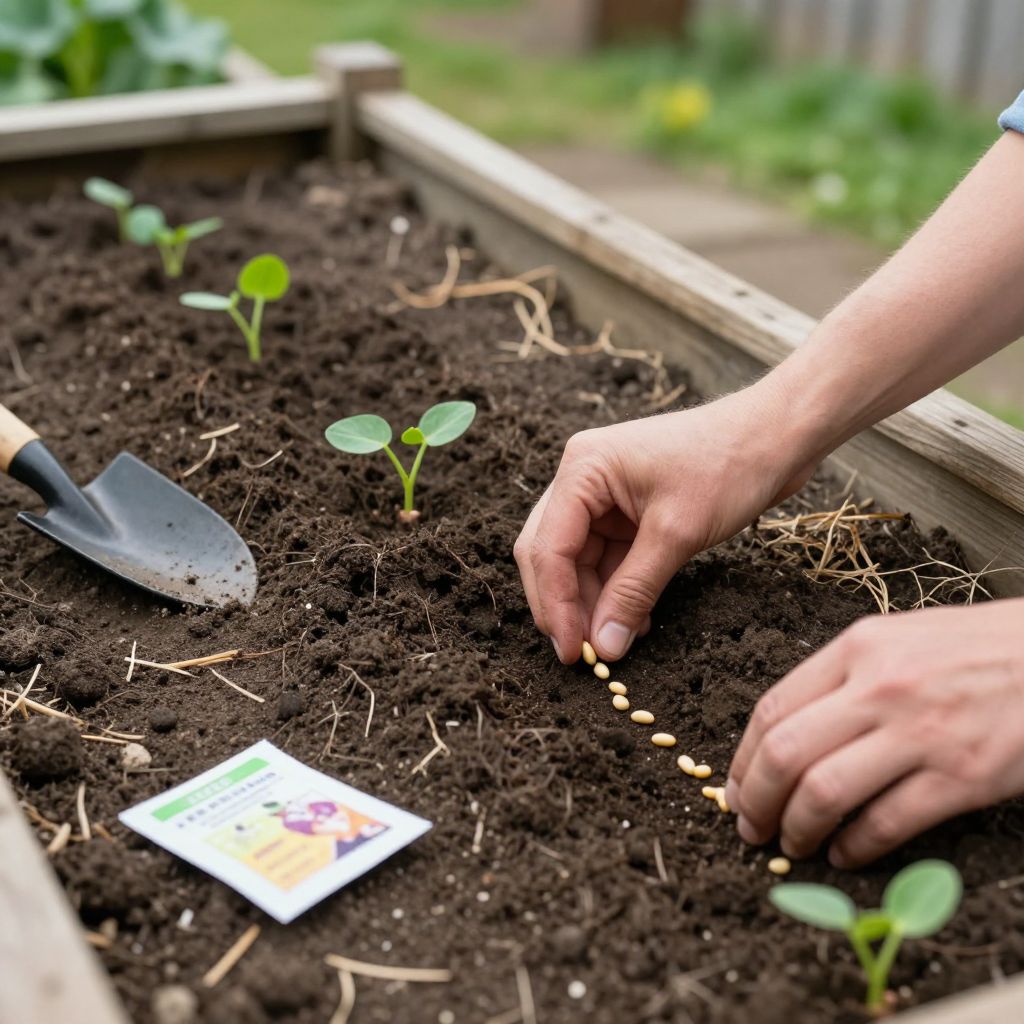
Wondering when to plant beans so they sprout quickly and keep producing well? The best planting time depends on your local frost dates, soil temperature, and whether you’re growing bush beans or pole beans. Beans are warm-season crops, so timing them correctly makes a big difference in germination, growth, and harvest quality.
If you sow too early, cold soil can rot the seed or slow emergence. If you wait too long, heat and drought can reduce flowering and pod set. The good news is that beans are easy to time once you know what to look for.
When to plant beans?
Plant beans after the last expected frost when the soil has warmed to at least 60°F, and ideally 70°F to 85°F for fast germination. In cool climates, wait until spring soil is reliably warm; in mild climates, you can often sow a second crop in midsummer for a fall harvest.
How to tell if your soil is ready
Beans germinate best in warm, well-drained soil. A soil thermometer is the most reliable tool, but you can also use local weather patterns and your planting history as a guide.
Simple readiness checks
- Soil temperature: 60°F minimum, 70°F or warmer is better.
- Frost risk: Wait until hard frost is past and nights are consistently mild.
- Soil condition: The bed should crumble easily, not stay wet and sticky.
- Sun exposure: Choose a site with full sun, or at least 6 to 8 hours of direct light.
If you sow beans into cold, wet soil, the seed may sit too long and fail. That is one of the most common reasons for patchy stands.
Best planting time by climate and season
Because local weather varies so much, the safest rule is to plant beans based on your frost date and soil warmth rather than a calendar date alone. Use the guidance below as a starting point, then adjust for your region.
Spring planting
Spring is the main planting window for beans in most gardens. Sow seeds once the danger of frost has passed and the soil has warmed enough for quick germination.
- Cooler regions: Often late spring, after soils have had time to warm.
- Temperate regions: Usually mid- to late spring, depending on the year.
- Warm regions: Early spring may work if the soil is already warm enough.
Succession planting
For a longer harvest, sow a small batch every 2 to 3 weeks during the main season, as long as temperatures remain suitable. This works especially well with bush beans, which mature quickly and often produce a concentrated crop.
Late-summer planting for a fall crop
In many areas, you can sow beans again in mid- to late summer for a fall harvest. This is most successful where autumn stays warm long enough for the plants to flower and set pods before frost.
To decide whether a fall planting will work, count backward from your first expected frost date and compare that with the bean variety’s days to maturity. Give yourself a little cushion for slower growth in shorter days and cooler nights.
Bush beans vs. pole beans: does timing change?
Both types are warm-season crops, but their growth habits affect how you plan the season. Bush beans mature faster, while pole beans need more time to climb, flower, and produce over a longer period.
Bush beans
Bush beans are a good choice if you want a quicker harvest or want to fit in multiple sowings. They are often ready sooner, so they can work well for spring and midsummer succession planting.
Pole beans
Pole beans need trellises or supports and usually take longer to start producing. Because they keep climbing and cropping, they are often best planted once the weather is firmly warm and the season is long enough for them to reach full production.
Tip: If your growing season is short, bush beans are usually the easier option. If your season is long and warm, pole beans can keep producing for weeks.
How to plant beans correctly
Beans are best direct-sown outdoors because they dislike root disturbance. Transplanting is usually unnecessary and can set them back.
- Choose a sunny bed with loose, well-drained soil.
- Work in finished compost if your soil is poor or compacted, but avoid heavy nitrogen fertilizer.
- Sow seeds about 1 inch deep in warm soil.
- Space seeds according to the type you’re growing and the seed packet instructions.
- Water gently after planting to settle the soil.
- Keep the bed evenly moist until seedlings emerge.
For most home gardens, it is better to sow bean seeds directly where they will grow. Beans develop quickly, and direct sowing avoids transplant shock.
Soil, compost, and drainage
Beans grow best in soil that drains well and is not overly rich in nitrogen. Too much nitrogen can encourage leafy growth at the expense of flowers and pods.
What beans need from the soil
- Loose texture: Helps roots expand easily.
- Good drainage: Prevents seed rot and root problems.
- Moderate fertility: Compost is usually enough in a garden bed.
- Neutral to slightly acidic soil: Beans generally do well in a broad range of garden soils.
If your soil is heavy clay, consider growing beans in raised beds or improved rows so excess water drains away more quickly. In very sandy soil, compost helps the bed hold moisture longer.
Watering and sunlight after planting
Beans need consistent moisture during germination and early growth, but they do not like soggy soil. Water deeply enough to keep the root zone evenly moist, then let the surface dry slightly between waterings.
Best watering practices
- Water at the base of the plants rather than overhead when possible.
- Avoid soaking the bed every day if the soil is already moist.
- Mulch lightly after seedlings are established to help conserve moisture.
- Do not let young plants dry out completely during flowering and pod set.
Full sun is ideal for strong growth and good pod production. In very hot climates, a little afternoon shade can help reduce stress, especially during the hottest part of summer.
Common mistakes when planting beans
Most bean problems start with timing or soil conditions. If you avoid a few common errors, you’ll usually get a much better stand and a healthier crop.
- Planting too early: Cold soil slows germination and increases rot.
- Overwatering: Wet soil can suffocate seeds and roots.
- Using too much fertilizer: Excess nitrogen can reduce pod production.
- Planting in shade: Beans need strong sun to perform well.
- Waiting too long in hot weather: Heat can shorten the productive window.
If seeds fail to sprout, check the soil temperature first. If the bed is cold or waterlogged, replanting in warmer, better-drained soil often solves the problem.
Pests and diseases to watch for
Beans are relatively easy to grow, but young plants can still face a few common issues. Early monitoring makes it much easier to protect the crop without major intervention.
Common pests
- Bean beetles: Can chew leaves and weaken young plants.
- Aphids: Often cluster on tender growth and can distort new leaves.
- Slugs and snails: More likely in damp beds and cool weather.
Common diseases
- Root rot: More likely in cold, wet soil.
- Leaf diseases: Often encouraged by crowding and wet foliage.
- Mosaic viruses: Can stunt plants and distort leaves.
To reduce problems, keep plants spaced well, water at soil level, and remove badly diseased plants rather than composting them if the issue seems contagious.
Harvest timing and how planting date affects yield
Beans are usually harvested when pods are young, tender, and still smooth. If you planted at the right time, plants will flower and set pods during favorable weather, which improves both quality and quantity.
Harvest tips
- Pick often to encourage more production.
- Harvest before pods become tough or swollen with mature seeds.
- Use two hands or small scissors to avoid damaging stems.
When beans are planted too late, hot weather may shorten flowering and reduce pod fill. When they are planted too early, cold stress can delay the whole crop. Good timing helps you avoid both problems.
Quick planting checklist
Before you sow, run through this short checklist to make sure your beans have the best start possible.
- The last frost date has passed.
- The soil is at least 60°F.
- The bed drains well and gets full sun.
- You have not overapplied nitrogen fertilizer.
- You are ready to water gently and consistently until germination.
Conclusion
The best answer to when to plant beans is simple: wait for warm soil, clear frost danger, and a sunny, well-drained bed. If you time planting to your local conditions and keep the soil evenly moist, beans are one of the easiest and most rewarding crops to grow.
For more practical help with warm-season vegetables, you may also want to read about how to prepare a vegetable garden bed and growing pole beans on a trellis.