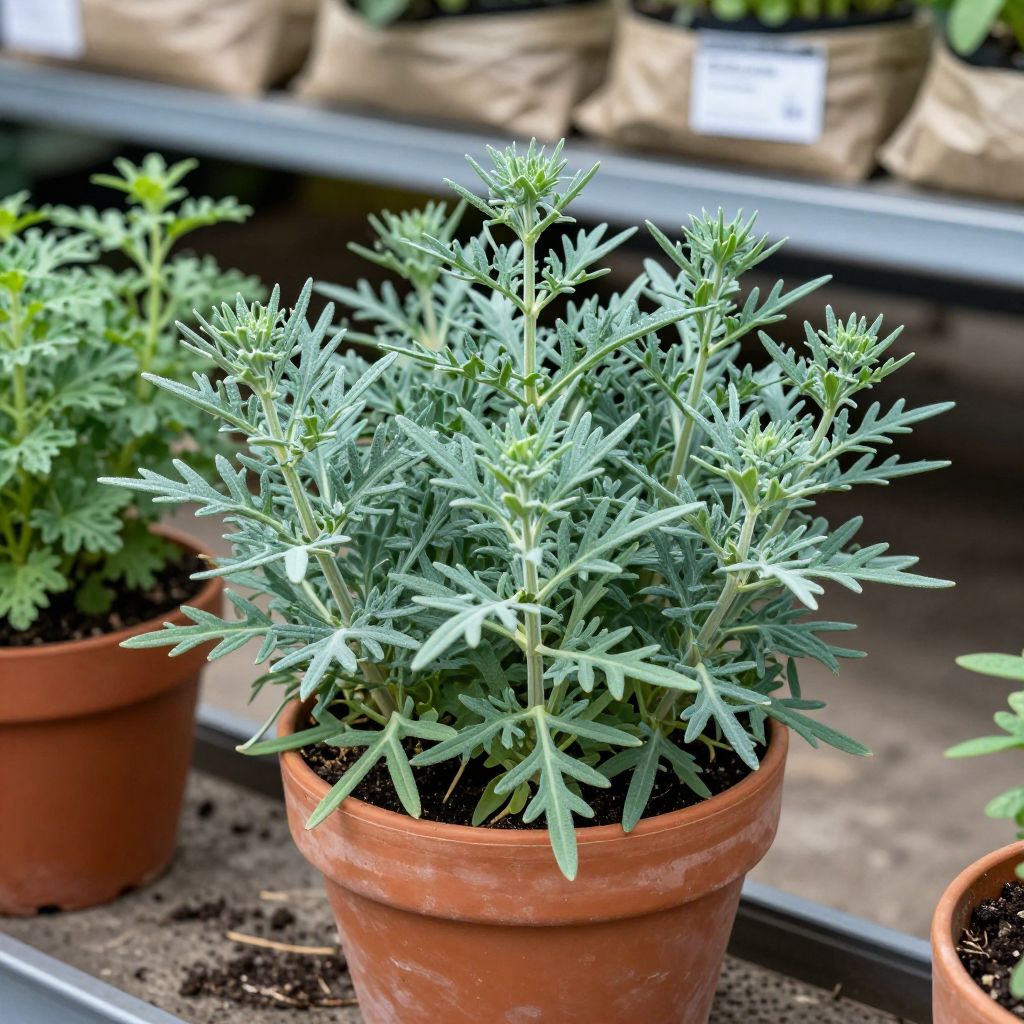
If you’re searching for Ruda Plant Where To Buy, you’re probably trying to find a healthy rue plant and learn how to grow it well once you bring it home. Rue (Ruta graveolens) is a hardy, aromatic perennial herb with blue-green foliage and a long history in ornamental and herb gardens.
The best place to buy rue is usually a reputable local nursery, herb specialist, or trusted online plant seller that offers clearly labeled Ruta graveolens. Choose a compact plant with firm stems, clean foliage, and no signs of pests, then give it full sun, sharp drainage, and light, careful watering for the best results.
Ruda Plant Where To Buy?
Look for rue at local garden centers, herb nurseries, plant sales, and reputable online retailers that specialize in live plants. Ask for Ruta graveolens rather than relying on the common name alone, since “ruda” can be sold under different labels. Buy from sellers that show the plant’s size, shipping method, and care notes.
Where to buy a healthy rue plant
Not every source offers the same quality, so it helps to shop with a checklist in mind. A good seller should provide the botanical name, current plant size, and clear photos of the actual plant or a representative specimen.
Best places to look
- Local nurseries — often the easiest place to inspect the plant before buying.
- Herb specialists — useful if you want a stronger selection of culinary and medicinal herbs.
- Farmers’ markets and plant fairs — sometimes offer healthy, locally grown starts.
- Reputable online nurseries — convenient if rue is hard to find locally.
What to check before you buy
- Leaves should be blue-green, not yellowing or heavily spotted.
- Stems should feel firm, not soft or shriveled.
- The plant should not be rootbound with roots circling tightly out of the pot.
- Look for no visible aphids, whiteflies, or webbing.
- Soil should be lightly moist, not sour-smelling or soggy.
If you are buying online, read the shipping policy carefully. Rue travels best when the seller packs it securely and ships during mild weather, not during extreme heat or cold.
What rue is and why gardeners grow it
Rue is a perennial herb in the citrus family, grown mainly for its ornamental foliage, fragrance, and toughness in dry, sunny gardens. It forms a rounded plant with finely divided leaves and small yellow flowers in season. It is not a high-maintenance herb, but it does need the right site.
Because rue can irritate skin in some people, handle it with care, especially in bright sun. Wear gloves when pruning or transplanting if your skin is sensitive.
How to plant rue after you buy it
Rue does best when planted in a spot that drains quickly and gets plenty of sun. It dislikes heavy, wet soil, so preparation matters more than frequent feeding.
Planting in the ground
- Choose a sunny location with at least 6 hours of direct light.
- Loosen the soil and mix in compost only if your soil is very poor; avoid making it overly rich.
- If drainage is slow, mound the planting area slightly or choose a raised bed.
- Dig a hole about as deep as the root ball and slightly wider.
- Set the plant at the same depth it was growing in the pot.
- Backfill, firm gently, and water once to settle the soil.
Planting in containers
Containers are a smart choice if your garden soil stays wet or heavy. Use a pot with drainage holes and a gritty, fast-draining mix, such as a quality potting mix amended with perlite or coarse sand.
- Choose a pot at least 12 inches wide for a young plant.
- Use a container that will not tip easily in wind.
- Never let the pot sit in standing water.
Growing conditions rue prefers
Rue is happiest in full sun and lean, well-drained soil. It can tolerate dry conditions once established, which makes it useful in low-water gardens, gravel beds, and herb borders.
Light
Give rue as much sun as possible. In very hot climates, a little afternoon shade can help prevent stress, but too much shade leads to leggy growth and weaker stems.
Soil
Use soil that drains quickly. Rue is more likely to struggle in rich, moisture-holding soil than in average or slightly poor soil. If your garden is clay-heavy, improve drainage before planting.
Water
Water newly planted rue regularly until it settles in, then reduce watering. After establishment, let the top few inches of soil dry before watering again. Overwatering is one of the most common mistakes with rue.
Temperature and climate
Rue is generally tolerant of warm, dry conditions and can handle cool weather better than many tender herbs. In colder regions, it may die back or behave as a short-lived perennial depending on your local winter conditions. If you are unsure, treat it as a seasonal perennial and protect it from hard frost.
How to care for rue through the season
Rue is low fuss once established, but a little regular attention keeps it tidy and vigorous. The goal is not to pamper it, but to avoid excess moisture and neglect.
Pruning and shaping
Light pruning helps keep rue compact. Remove spent stems, trim back leggy growth, and cut away any damaged foliage. Avoid cutting into old, woody stems too aggressively, since recovery can be slow.
Feeding
Rue usually does not need heavy fertilizing. In fact, too much fertilizer can produce soft, weak growth. If your soil is very poor, a light top-dressing of compost in spring is usually enough.
Mulching
A thin layer of mulch can help moderate soil temperature and reduce weeds, but keep mulch a few inches away from the crown. Too much mulch around the base can trap moisture and invite rot.
Common problems when growing rue
Most rue problems come from too much water, poor drainage, or stress from transplanting. Catching issues early makes a big difference.
Yellowing leaves
Yellow leaves often point to wet soil, poor drainage, or transplant stress. Check the root zone first. If the soil stays damp for days, improve drainage or move the plant to a better site.
Wilting in hot weather
Some droop during extreme heat can happen, especially after transplanting. Water deeply if the soil is dry, but do not keep the plant constantly wet. If the site bakes all day, consider light afternoon shade in very hot climates.
Pests
Rue is usually not heavily bothered by pests, but aphids or whiteflies can appear on stressed plants. Rinse them off with a strong spray of water and improve airflow around the plant.
Diseases
Root rot is the main disease risk, and it is usually linked to soggy soil. The best prevention is simple: well-drained ground, careful watering, and good air circulation.
Propagating rue
If you want more plants later, rue can be propagated from seed or cuttings, though success can vary. Many gardeners find it easier to buy a healthy starter plant first and then try propagation once the plant is established.
From seed
Seed can be slow or uneven to germinate, so patience is important. Start indoors if your season is short, or sow outdoors only when conditions are suitable and the soil is workable.
From cuttings
Semi-ripe stem cuttings can work well in a clean, free-draining medium. Keep the medium lightly moist, not wet, and give the cuttings bright light without harsh midday sun.
Harvesting and handling rue safely
If you are growing rue for ornamental or herb-garden use, harvest lightly and thoughtfully. Snip only what you need, and avoid stripping the plant too hard in one go.
- Use clean, sharp pruners or scissors.
- Harvest in dry weather when possible.
- Wash hands after handling, especially if you have sensitive skin.
- Avoid harvesting stressed or newly transplanted plants.
Important: some people experience skin irritation from rue, especially in strong sunlight after handling it. If you are sensitive, wear gloves and long sleeves.
Best uses in the garden
Rue works well in herb gardens, cottage-style borders, and dry, sunny plantings where its blue-green foliage adds contrast. It can also be used as a small accent plant near paths, provided it is placed where you will not brush against it constantly.
Because it prefers lean soil and low moisture, rue pairs well with other sun-loving plants that dislike wet feet. Just avoid crowding it too tightly, since airflow helps keep the foliage healthy.
Quick buying and planting checklist
- Confirm the plant is Ruta graveolens.
- Choose a seller with healthy, compact foliage.
- Plant in full sun and well-drained soil.
- Water to establish, then water sparingly.
- Protect the plant from soggy soil and overfertilizing.
Conclusion
If you are wondering Ruda Plant Where To Buy, start with a trusted local nursery or a reputable online herb seller, then choose a plant with healthy leaves, firm stems, and no pest damage. Once planted in sun and sharp drainage, rue is usually an easy, long-lived addition to a low-water garden. For more herb-growing ideas, look for guides on container herbs and sun-loving perennials.