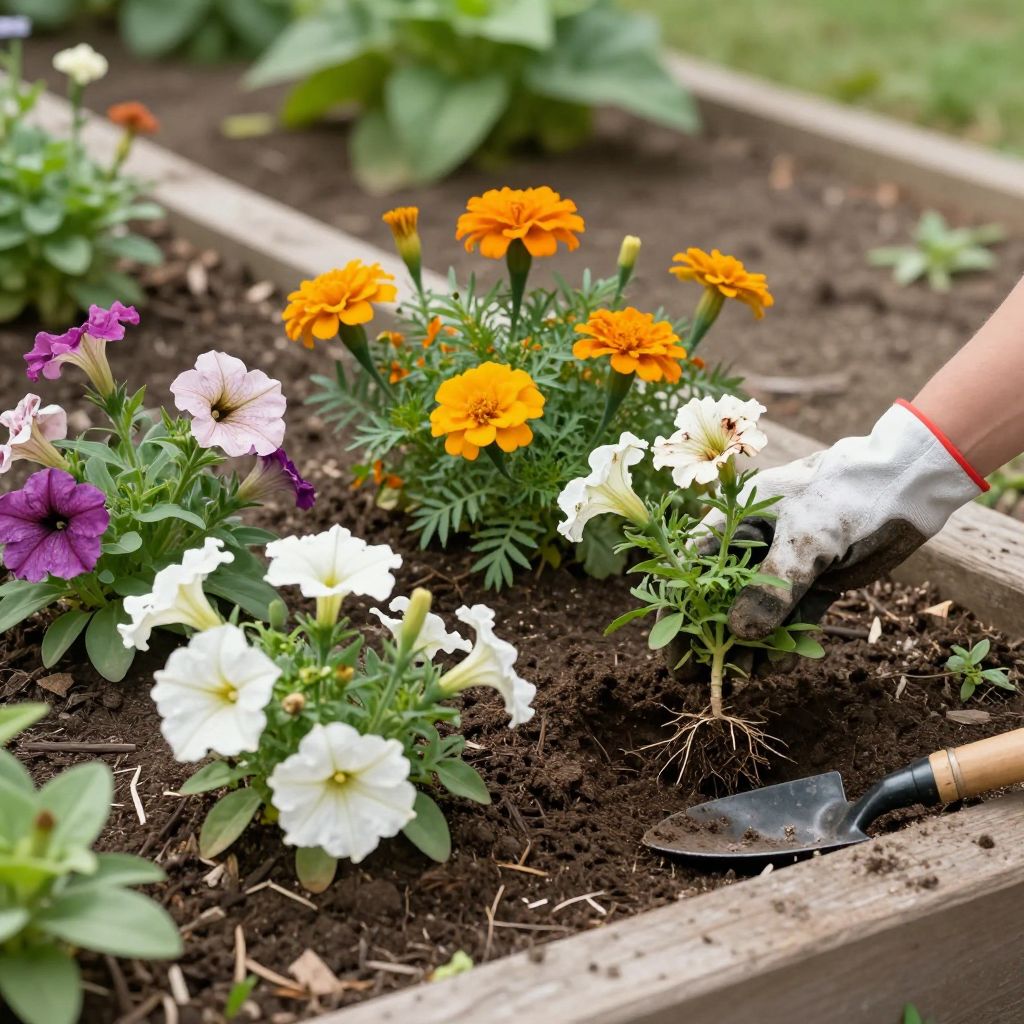
Do annual flowers come back every year? Usually, no. True annuals complete their life cycle in one growing season, then die after flowering and setting seed. If you want the same plant back next year, you’ll usually need to replant it or let it self-seed if the species does that reliably.
That said, some flowers sold as annuals can behave differently depending on climate, frost, and winter protection. Knowing the difference between annuals, biennials, and perennials helps you choose the right plants and avoid disappointment when spring arrives.
Do annual flowers come back every year?
True annual flowers do not come back every year because they germinate, grow, bloom, set seed, and die within one season. In mild climates, a few may survive longer than expected, and some will self-seed, creating new plants the following year. But the original plant is usually finished.
What “annual” really means in the garden
Annuals are plants that complete their entire life cycle in one growing season. Once they flower and produce seed, the plant naturally declines.
This is different from:
- Perennials, which return for several years from the same root system.
- Biennials, which usually grow leaves the first year and flower the second.
- Tender perennials, which may act like annuals in cold climates because frost kills them.
Some common bedding plants are true annuals in most gardens, while others are technically perennials only in frost-free regions. That’s why labels and local climate matter so much.
Examples of annual flowers
- Marigold (Tagetes spp.)
- Zinnia (Zinnia elegans)
- Cosmos (Cosmos bipinnatus)
- Petunia (Petunia hybrids, often grown as annuals)
- Impatiens (Impatiens walleriana, often grown as annuals in cool-winter areas)
Some of these may self-seed or overwinter in very mild regions, but that is not the same as the original plant reliably returning year after year.
Why some annual flowers seem to come back
It can look like annuals return when they actually reseed themselves. A dropped seed may sprout in the same spot the next spring, giving the impression the original plant survived.
Other times, a plant sold as an annual is really a tender perennial in disguise. In frost-free or warm climates, it may live longer than one season. In colder areas, winter cold ends its life.
Self-seeding vs. returning plants
- Self-seeding: New seedlings appear from seed the parent plant dropped.
- Returning: The same plant survives winter and grows again from roots or crown.
If you want a flower to “come back,” check whether it is a true perennial, a self-seeder, or a tender perennial in your climate.
How climate affects whether annuals survive
Temperature is the biggest factor. A plant that behaves like an annual in one region may survive several years in another if winters are mild enough.
Frost tolerance, summer heat, and humidity also matter. Some annuals collapse in cold weather, while others fade in extreme heat or prolonged rain.
What to consider in your area
- First frost and last frost: These define the outdoor growing window in many climates.
- Winter lows: Even a brief freeze can kill tender annuals.
- Summer stress: Heat and drought can shorten bloom time and weaken plants.
- Rainfall and humidity: Wet conditions can encourage fungal disease and rot.
If you garden in a mild coastal or subtropical climate, some annuals may persist longer than expected. In colder inland regions, they are much more likely to die at the first hard frost.
How to make annual flowers last as long as possible
You cannot turn a true annual into a perennial, but you can keep it healthy and blooming longer. Strong plants are more likely to flower well, set seed, and sometimes self-sow.
- Plant in the right light for the species. Most flowering annuals need full sun, though some prefer partial shade.
- Use well-drained soil so roots do not sit in water.
- Water deeply when the top inch or two of soil dries, rather than giving frequent shallow sprinkles.
- Deadhead spent blooms to encourage more flowers instead of seed production.
- Feed lightly if needed, especially in containers, but avoid overfertilizing with nitrogen.
- Watch for pests and disease before problems spread.
Deadheading matters
Removing faded flowers often keeps annuals blooming longer. If the plant spends energy making seed, flowering can slow down sooner.
Some annuals, like many zinnias and marigolds, respond especially well to regular deadheading. Others are self-cleaning and need less grooming.
Can you overwinter annual flowers indoors?
Sometimes, yes. If the plant is tender and you want to save it, you may be able to bring it indoors before frost. This works better for some potted plants than for large in-ground beds.
Overwintering is not always practical, but it can be worth trying with container-grown plants or cuttings from favorite varieties.
Best candidates for indoor saving
- Geraniums (Pelargonium spp.), often treated as annuals outdoors
- Begonias in suitable conditions
- Fuchsias in mild indoor or protected settings
- Other tender flowering plants that root easily from cuttings
Bring plants in before frost, inspect them for pests, and place them in bright light. Reduce watering indoors because growth slows in lower light and cooler temperatures.
How to save annuals by taking cuttings or collecting seed
If you love a particular annual flower, propagation is often the most reliable way to “bring it back” next year. You can either save seed or take cuttings, depending on the plant.
Saving seed
- Let some flowers mature fully on the plant.
- Wait for seed heads or pods to dry.
- Collect seed on a dry day.
- Store it in a cool, dry place in a labeled envelope or jar.
Seed saving works well for many open-pollinated annuals, but hybrids may not grow true to the parent plant. That means the seedlings can look or perform differently.
Taking cuttings
- Choose healthy, non-flowering stems.
- Cut a 3- to 6-inch section just below a node.
- Remove lower leaves.
- Place in water or a moist rooting medium.
- Keep in bright, indirect light until roots form.
Cuttings are useful when you want an exact clone of a favorite plant, especially if seed is unreliable or unavailable.
Common mistakes that make annuals die early
Many gardeners assume an annual “didn’t come back,” when the real issue was stress, poor siting, or disease. A weak plant may die before the season ends.
- Planting in heavy, poorly drained soil, which can rot roots.
- Overwatering, especially in containers with no drainage holes.
- Too little sun, which leads to weak stems and fewer blooms.
- Skipping deadheading, which shortens bloom time in many varieties.
- Overfeeding with nitrogen, which can produce lush leaves but few flowers.
- Ignoring pests like aphids, whiteflies, spider mites, and slugs.
Healthy annuals are more likely to bloom heavily and, in some cases, reseed successfully. Poorly grown plants usually fade fast.
Problems to watch for in annual flower beds
Annuals grow quickly, which is one reason gardeners love them, but fast growth can also make them vulnerable to problems.
Common pest issues
- Aphids: Cluster on tender stems and buds; rinse off with water or treat early.
- Spider mites: Often appear in hot, dry weather; leaves may look stippled or dusty.
- Slugs and snails: Chew holes in leaves, especially in damp shade.
- Whiteflies: Tiny flying insects that weaken plants in warm conditions.
Common disease issues
- Powdery mildew: White coating on leaves, often in humid or crowded plantings.
- Root rot: Caused by soggy soil and poor drainage.
- Botrytis and other fungal blights: More likely in cool, wet weather.
Good spacing, airflow, and watering at the soil line help reduce many of these problems.
Should you replant annuals every year?
Yes, if you want the same display again, you should expect to replant true annuals each season. That gives you control over color, spacing, and bloom timing.
For a lower-maintenance garden, mix annuals with perennials, shrubs, and bulbs. Perennials provide a returning structure, while annuals fill gaps and add seasonal color.
Smart ways to use annuals in the landscape
- Edge borders with compact annuals for a long bloom season.
- Fill containers and hanging baskets for instant color.
- Use fast-growing annuals to cover bare spots while perennials establish.
- Plant pollinator-friendly annuals to support bees and butterflies.
This approach gives you the best of both worlds: dependable returning plants and flexible seasonal color.
Conclusion: what to do next
If you’re asking, “Do annual flowers come back every year?” the practical answer is usually no. True annuals die after one season, but some will self-seed or survive longer in mild climates. Check your plant labels, learn your local frost pattern, and decide whether you want to replant, save seed, or switch to perennials for a return display.
For more help planning a garden that keeps blooming, you may also want to read about annual vs. perennial flowers and how biennial plants grow.