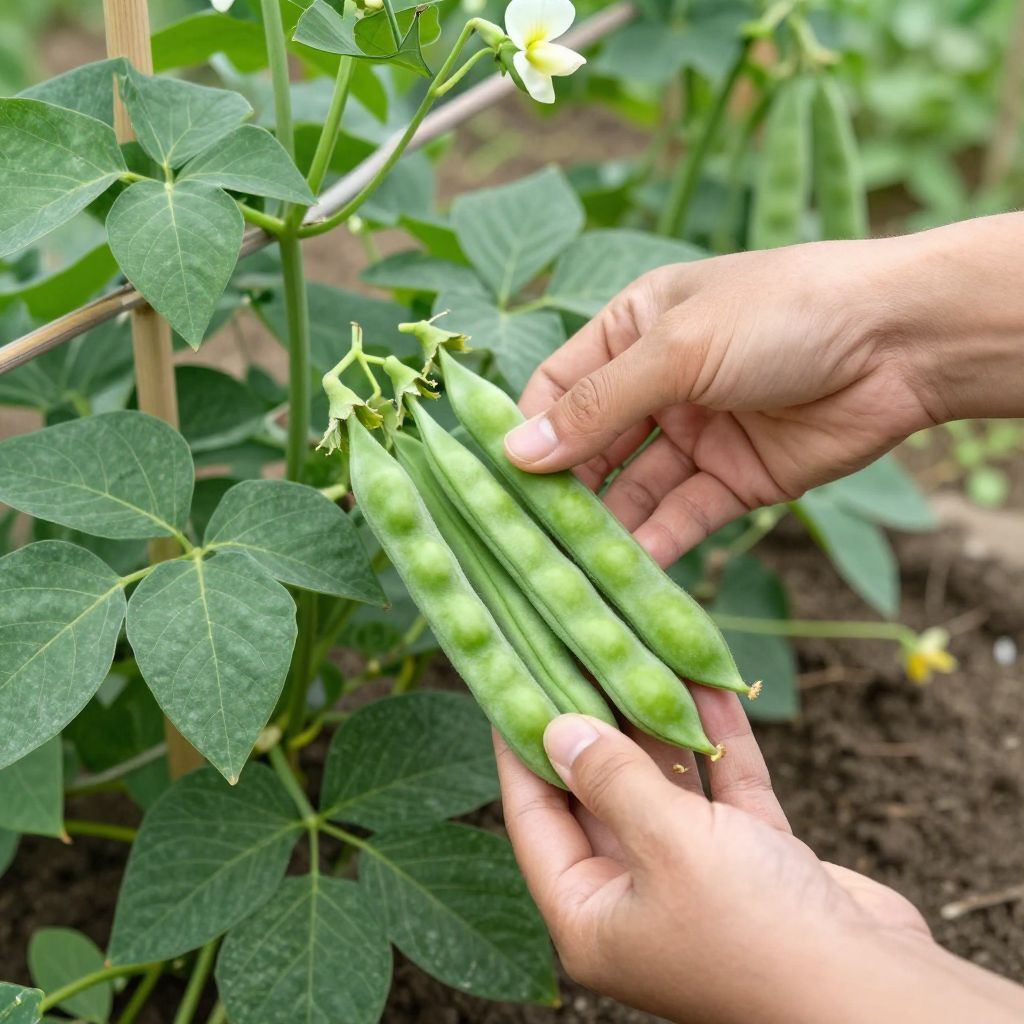
Wondering when to harvest green beans so they’re tender, flavorful, and at their best? The right picking time depends on the type of bean, the variety, and how quickly pods fill out in your weather. Harvesting at the right stage keeps plants producing and prevents pods from turning stringy, tough, or overgrown.
With a few simple checks, you can tell when beans are ready in minutes. The key is to pick them young and often, before the seeds inside become large and the pods lose their snap.
When to harvest green beans?
Harvest green beans when the pods are firm, smooth, and still tender, usually before the seeds inside bulge noticeably. Pick them when they are full-length for the variety but still snap cleanly. Most snap beans are best harvested young, and frequent picking encourages more flowers and pods.
How to tell green beans are ready
Green beans do not all ripen at once, so the best harvest time is based on pod size and texture rather than a calendar date. Check plants every 1 to 3 days once they start setting pods.
Signs a pod is ready
- Length is right for the variety and the pod looks filled out but not swollen.
- The pod feels firm and crisp, not limp or leathery.
- The seeds inside are small and not strongly visible through the pod.
- The pod snaps cleanly when bent.
- The color is still bright and fresh for that variety.
If you have to tug hard or the pod bends without snapping, it is probably too mature for the best eating quality. If the pod feels thin and flat, it may need a little more time.
What overripe beans look like
Overripe green beans often become lumpy, tough, and stringy. The seeds inside enlarge quickly, and the pod wall may feel fibrous rather than tender. These beans can still be used if you let them mature further for seed saving, but they are usually past prime for fresh eating.
Best harvest stage for different bean types
Not all beans are harvested the same way. The general rule is to pick young, but the exact stage depends on whether you are growing bush beans, pole beans, or specialty types.
Bush beans
Bush beans tend to produce a concentrated crop over a shorter period. Harvest when pods are full-sized for the variety but still slender and crisp. Because they mature quickly, check plants often so pods do not get oversized between pickings.
Pole beans
Pole beans usually keep producing over a longer season. You may find pods at several stages on the same vine, so harvest every few days to keep the plant flowering and setting new pods. Regular picking is especially important for pole beans.
Wax beans and purple beans
Yellow wax beans and purple-podded beans are harvested by the same rule: pick them young before the seeds swell. Color is not a reliable sign of ripeness by itself, so use pod feel and seed size to judge readiness.
Shelling beans and dry beans
If you are growing beans for shelling or drying, the harvest stage is different. For shelling beans, let the pods fill out more before picking. For dry beans, leave the pods on the plant until they dry down, then harvest when the pods are brittle and the seeds are fully mature.
How often should you pick green beans?
Harvesting often is one of the easiest ways to improve yield. Once plants start producing, pick every 1 to 3 days, depending on temperature and growth rate. In warm weather, pods can size up very quickly, so frequent checking matters.
Leaving mature pods on the plant tells the bean to slow down pod production. If you want a longer harvest window, remove beans as soon as they reach the right size.
How to harvest green beans without damaging the plant
Beans are easy to pick, but rough handling can snap stems or tear flowers and small pods. A gentle harvest keeps the plant productive and reduces disease spread.
- Check the plant from several angles, including the underside of leaves.
- Hold the vine or bush gently with one hand.
- Pinch the pod stem with your fingers or use clean scissors if needed.
- Lift the pod upward while pulling lightly to avoid tearing the plant.
- Place harvested beans in a shallow container so they do not bruise.
If pods resist, do not yank hard. Snipping with clean pruners or scissors is safer than ripping the stem, especially on pole beans with delicate vines.
Best time of day to harvest
Morning is often the best time to pick green beans because pods are cool and firm. You can harvest later in the day too, but avoid picking when plants are wet from rain or irrigation if possible, since wet foliage can spread disease more easily.
What happens if you harvest too late?
Late-picked beans are one of the most common gardening disappointments. The pods may still be usable, but quality drops fast once seeds enlarge.
- Pods become stringy or fibrous.
- The texture turns tough instead of crisp.
- Flavor can become dull or starchy.
- Plants may slow down production if mature pods stay on the vine.
If you miss a few pods, remove them anyway. Even if they are too mature for fresh eating, taking them off the plant can help the remaining pods develop better.
How weather affects harvest timing
Temperature has a big effect on how quickly green beans mature. In warm weather, pods can go from tender to overgrown in just a few days. In cooler conditions, development slows, and you may have a little more time between pickings.
Rain, heat, and uneven watering can also affect pod quality. Stress from dry soil may cause pods to grow unevenly or become less tender, while sudden heavy watering after dry spells can make growth bursty and less consistent.
Adjusting to your local climate
Because climate varies so much, use the plant itself as your guide rather than a fixed date. In hot, fast-growing conditions, inspect plants more often. In cooler regions or during a mild season, pods may stay tender a bit longer, but they still need regular checking.
Common mistakes when harvesting green beans
Most harvesting problems come from waiting too long or picking too roughly. A few small adjustments can make a big difference in quality and yield.
- Waiting for “full size” instead of tenderness can lead to tough beans.
- Harvesting too infrequently allows pods to overmature.
- Pulling pods off forcefully can damage stems and nearby flowers.
- Ignoring hidden pods under leaves causes missed harvests.
- Letting wet plants stay crowded can increase disease pressure.
Another common mistake is assuming all pods on the same plant are ready at once. Beans mature at different rates, so selective picking is usually the best approach.
Can you leave some beans on the plant?
Yes, but only if you are intentionally saving seed or growing a dry bean crop. For fresh green beans, leaving mature pods on the plant usually reduces future production. If you want a continuous harvest, pick every pod that is ready and remove any oversized ones promptly.
If you are saving seed, choose healthy plants and allow pods to mature fully and dry on the vine as long as weather permits. Keep in mind that this is a different goal from harvesting tender snap beans.
After harvest: keeping beans fresh
Freshly picked green beans stay best when handled gently and cooled soon after harvest. Sort out damaged pods first, then store the rest in a breathable container or bag in the refrigerator.
For best texture, use them as soon as practical after picking. Beans that sit warm for too long can lose crispness more quickly.
Quick harvest checklist
- Pods are full-length for the variety.
- Seeds inside are still small.
- Pod snaps cleanly when bent.
- Color looks fresh and even.
- Plants are checked every 1 to 3 days.
Conclusion
The best answer to when to harvest green beans is simple: pick them young, tender, and before the seeds swell. Check plants often, harvest gently, and keep up with regular picking to encourage more pods. If you are unsure, snap a pod in half—if it is crisp and tender, it is ready.
If you want to improve your bean crop even more, it can help to read about bean plant care and common vegetable garden pests so you can keep plants healthy through the whole season.