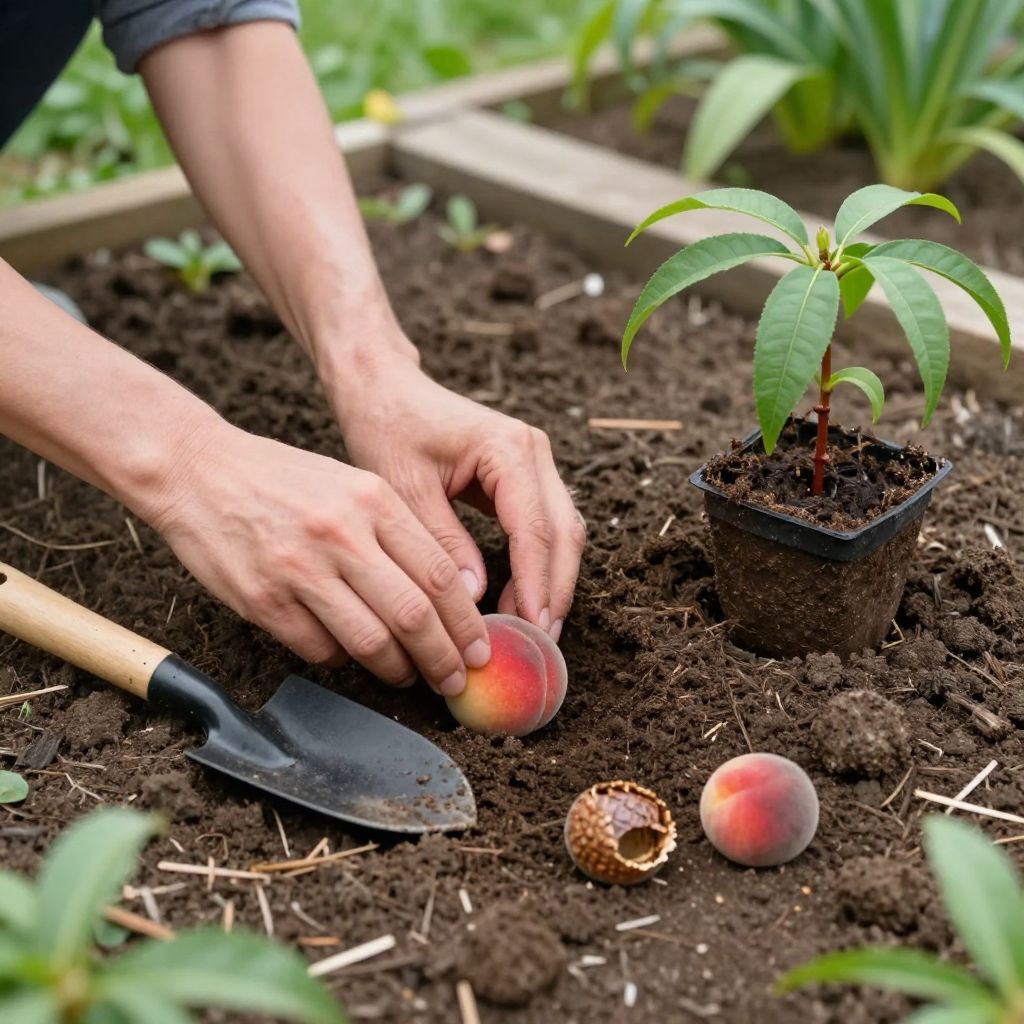
Can you grow a peach tree from a pit? Yes, you can germinate a peach pit and grow a peach tree from it, but the result will not be an exact copy of the parent tree. Seed-grown peaches are often variable, may take several years to fruit, and can produce fruit quality that differs from the peach you ate.
If you want to try it, the process is straightforward, but success depends on using a viable pit, giving it a cold period, and planting the young tree in the right conditions. With patience and good care, a peach pit can become a healthy ornamental tree and, sometimes, a productive fruit tree.
Can you grow a peach tree from a pit?
Yes. A peach pit contains a seed that can sprout into a peach tree, but seed-grown trees are genetically unique. That means the fruit may be smaller, less sweet, or different from the original peach. If you want a reliable variety, a grafted tree is usually better; if you enjoy experimenting, growing from pit is a rewarding project.
How to prepare a peach pit for planting
The hardest part is usually getting the seed to break dormancy. Peach seeds need a cold, moist period before they will sprout, similar to winter conditions outdoors.
Start with a healthy pit
- Choose a pit from a fully ripe peach.
- Wash off all fruit flesh so mold does not develop.
- Let the pit dry for a day or two before opening it, if you plan to remove the inner seed.
Optional: open the hard shell
The hard outer shell can be cracked carefully to remove the seed inside, but this is optional. If you do crack it, be gentle, because damaging the seed can prevent germination.
- Use a nutcracker, vise, or careful pressure with pliers.
- Do not crush the kernel inside.
- If the shell is difficult to open, it is safer to leave it intact.
Cold stratify the seed
Peach seeds usually need cold stratification to sprout. Place the seed in slightly moist paper towel, peat-free seed mix, or damp sand inside a breathable bag or container, then refrigerate it for several weeks. Keep it cool, not frozen, and check occasionally for mold or early sprouting.
Important: Do not store the seed in a warm place and expect quick germination. Without a cold period, many peach seeds simply stay dormant.
How to plant a peach seed indoors or outdoors
Once the seed cracks or shows a root, plant it about 1 to 2 inches deep in a pot filled with a well-draining seed-starting mix or light potting mix. You can also sow it outdoors in a protected spot if your climate and season allow the seed to experience natural winter cold.
Indoor planting steps
- Fill a pot with a loose, well-draining mix.
- Plant the sprouted seed root-down, or lay it on its side if the root direction is unclear.
- Cover lightly with soil.
- Water until evenly moist, not soggy.
- Place the pot in bright light and warm conditions after sprouting.
Outdoor planting steps
- Choose a site with full sun and good drainage.
- Plant the seed in fall or allow it to overwinter naturally, depending on your climate.
- Protect the area from rodents and digging animals.
- Mark the spot so you do not disturb it while waiting for germination.
If you start indoors, move the seedling outside gradually after frost danger has passed and temperatures are suitable for your area.
What conditions does a peach tree need?
Peach trees grow best in full sun, fertile soil, and a site with excellent drainage. They dislike wet feet, heavy shade, and compacted soil. Strong sunlight matters because peaches need energy to grow well and ripen fruit.
Soil and drainage
- Use loose, loamy soil if possible.
- Improve poor soil with compost, but avoid making the planting hole overly rich and water-retentive.
- If your soil stays wet after rain, plant on a raised bed or mound.
Sunlight and spacing
Give the tree a location with at least 6 to 8 hours of direct sun daily. Space it where air can move around the branches, since good airflow helps reduce disease pressure.
Watering
Young peach trees need consistent moisture while they establish, but the soil should dry slightly between waterings. Deep, infrequent watering is better than frequent shallow watering. Overwatering can cause root problems and weak growth.
How long does it take a peach pit to grow?
Germination can take weeks to months, depending on whether the seed received enough cold treatment and how warm conditions are afterward. After sprouting, the young tree may need several years before it flowers and fruits. Seed-grown peaches often take longer than grafted nursery trees.
Be patient during the first season. The seedling may look small at first, but strong root development matters more than rapid top growth.
Will a peach tree grown from a pit produce good fruit?
It might, but there is no guarantee. Peach trees grown from pits are not true to type, so fruit size, flavor, ripening time, and disease resistance can vary. Some seedlings produce excellent fruit, while others are disappointing or inconsistent.
If your goal is dependable harvests, buy a grafted peach tree from a reputable nursery. If your goal is to learn and experiment, a pit-grown tree is a fun project with an uncertain outcome.
Pruning and training a young peach tree
Pruning is important because peaches fruit on one-year-old wood and benefit from an open shape. A young tree should be trained early to develop a strong framework and good light penetration.
Basic pruning goals
- Remove dead, damaged, or crossing branches.
- Encourage a vase-shaped or open-center structure.
- Keep the center open so sunlight reaches inner branches.
Prune during the dormant season in many climates, but adjust timing to your local conditions. If you are unsure, avoid heavy pruning on a newly planted seedling and focus first on establishing roots.
Common pruning mistakes
- Letting the tree grow too tall and crowded.
- Removing too much growth at once.
- Ignoring low branches that could form the tree’s framework.
Common pests and diseases to watch for
Peach trees can be affected by insects and fungal diseases, especially in humid or wet conditions. Healthy spacing, proper pruning, and cleanup around the tree reduce many problems before they start.
Typical issues
- Peach leaf curl — leaves become thickened, curled, or distorted.
- Aphids — small insects that cluster on tender shoots.
- Scale insects — small bumps on stems and branches.
- Brown rot — fruit shrivels or rots, often in damp weather.
Practical prevention
- Plant in full sun with good air circulation.
- Remove fallen leaves and rotting fruit.
- Water at the base, not over the foliage.
- Inspect new growth regularly for pests.
If disease is common in your area, choose a site with excellent airflow and be prepared to manage the tree carefully. Local extension guidance can help you match prevention methods to your climate.
How to care for a peach seedling in the first year
The first year is about building a strong root system. Keep the soil evenly moist, protect the seedling from extreme heat or cold, and avoid overfertilizing. Too much nitrogen can create weak, leafy growth that is more prone to pests and winter damage.
First-year care checklist
- Keep weeds away from the base of the tree.
- Mulch lightly, but keep mulch a few inches away from the trunk.
- Stake only if the seedling is unstable in wind.
- Watch for leaf discoloration, wilting, or pest damage.
Tip: A young peach tree is more likely to struggle from poor drainage than from slightly dry soil. When in doubt, err on the side of moderate moisture and good aeration.
Should you grow from pit or buy a grafted tree?
That depends on your goal. A pit-grown tree is inexpensive and educational, but unpredictable. A grafted tree gives you known fruit quality, known growth habits, and usually faster harvests.
- Choose a pit if you want a low-cost experiment and do not mind uncertainty.
- Choose a grafted tree if you want reliable fruit and easier planning.
Final thoughts
So, can you grow a peach tree from a pit? Absolutely. Just remember that it takes cold stratification, patience, and the right growing conditions, and the fruit may not match the parent peach. If you want the best chance of success, start with a clean, viable pit, give it winter-like treatment, and plant the seedling in full sun with well-drained soil.
If you want to keep learning, look for more guidance on fruit tree pruning basics and how to improve garden soil drainage before your young peach tree goes into the ground.