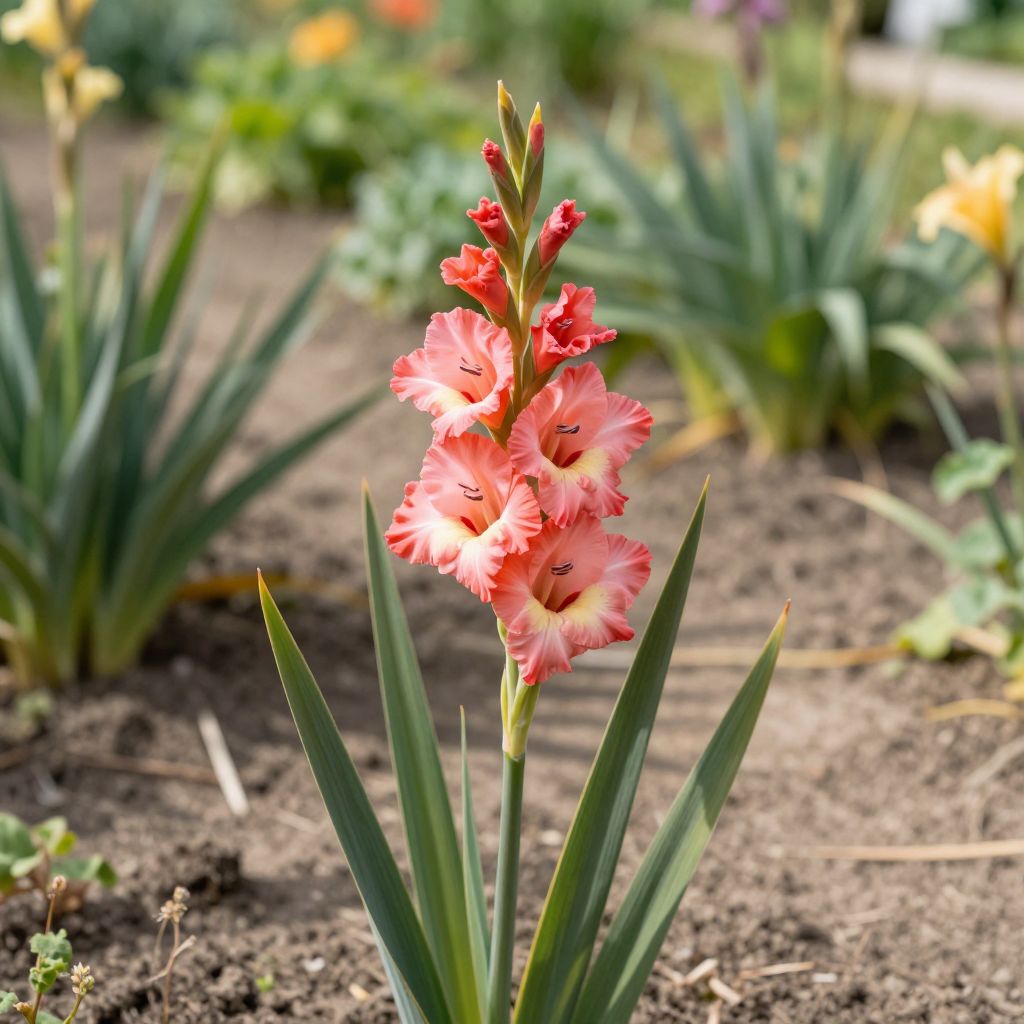
What is the flower for August? If you’re looking for the traditional August birth flower, the answer is usually gladiolus. In many gardening guides, gladiolus is paired with poppy as an August flower, but gladiolus is the most commonly cited choice. Both are attractive, summer-blooming plants that bring strong color to the garden.
If you want to grow the flower associated with August, it helps to know which one fits your climate and garden style. Gladiolus is a bulb-like corm plant that rewards you with tall flower spikes, while poppies are often easier from seed and suit a more natural, informal look.
What Is The Flower For August?
The most widely recognized flower for August is gladiolus (Gladiolus spp.). It is often called the August birth flower because its tall, elegant blooms symbolize strength and remembrance in floral traditions. In some references, poppy is also listed for August, so both are worth considering depending on your garden and the meaning you want.
Why Gladiolus Is the Main August Flower
Gladiolus is favored for August because it flowers in midsummer, produces dramatic upright spikes, and comes in a wide range of colors. It is a good choice if you want a cut flower, a border accent, or a plant that adds vertical structure to a sunny bed.
What gladiolus looks like
- Tall, sword-like leaves
- Flower spikes lined with funnel-shaped blooms
- Colors that may include red, pink, white, yellow, orange, purple, and bi-color forms
Where poppy fits in
Poppies are also associated with August in some traditions, especially garden poppies such as Papaver species. They are usually shorter-lived but easy to grow from seed and can bring a softer, more natural feel to borders and meadow-style plantings.
How to Grow Gladiolus Successfully
Gladiolus grows best in full sun, in soil that drains well and does not stay soggy. It performs best in a site with at least 6 hours of direct sun daily and benefits from steady moisture during active growth, but not waterlogged conditions.
Planting conditions
- Sun: Full sun is best
- Soil: Loose, fertile, and well-drained
- Drainage: Essential to prevent corm rot
- Spacing: Leave enough room for air movement and support
How to plant gladiolus corms
- Choose a sunny bed with improved soil.
- Work in compost if your soil is thin or poor, but avoid making it heavy and wet.
- Plant corms about 4 to 6 inches deep, adjusting slightly for your soil type.
- Space them a few inches apart in groups or rows.
- Water after planting, then keep the soil lightly moist as growth begins.
If your soil is heavy clay, plant on a raised bed or mound to improve drainage. In wet climates, this can make the difference between healthy blooms and rotting corms.
Watering and feeding
Gladiolus needs regular moisture while it is growing and flowering, especially in hot weather. Water deeply when the top layer of soil begins to dry, but do not let the bed stay saturated.
A balanced, general-purpose fertilizer can help if your soil is low in nutrients, but avoid overfeeding. Too much nitrogen can produce lush leaves and fewer flowers.
Growing Poppies as an August Flower Alternative
If you prefer a lighter, more natural look, poppies are a strong alternative for August. Many poppies are grown from seed and do best when sown in the right season for your climate, often in cool weather or as directed for the species you choose.
Poppy growing basics
- Sun: Full sun is usually best
- Soil: Average to well-drained soil
- Water: Moderate; avoid overwatering
- Maintenance: Minimal once established
Poppies generally dislike transplanting, so direct sowing is often the easiest method. Scatter seed thinly, press it lightly into the soil, and keep the surface evenly moist until seedlings establish.
Seasonal Timing and Climate Considerations
Because gardening conditions vary, the best time to plant the August flower depends on your region. In warm climates, gladiolus may be planted for summer bloom or as a succession planting. In cooler regions, spring planting is more common, and flowering may arrive later in the season.
How to adapt to your area
- In hot climates, provide afternoon shade if summer heat is intense.
- In cool climates, choose a sunny, sheltered spot to help blooms develop fully.
- In rainy regions, prioritize drainage over rich soil.
- In dry regions, mulch lightly to reduce moisture loss.
If you are unsure when to plant, check your local frost dates and the growth habit of the specific plant you buy. Gladiolus corms are often planted after the risk of hard frost has passed in spring, while some gardeners stagger plantings for a longer bloom season.
Pruning, Staking, and General Care
Gladiolus often needs support because the flower spikes can become top-heavy. Insert stakes early, before stems lean, and tie them loosely with soft garden ties.
Simple maintenance tasks
- Remove faded blooms to keep the plant tidy.
- Cut flower spikes for indoor arrangements when the lowest buds begin to open.
- Leave the foliage in place after flowering so the corm can store energy.
- Trim leaves only after they yellow naturally.
For poppies, deadheading can sometimes extend bloom time, but some types self-seed readily. If you want them to return, let a few seed heads mature. If you want to limit spread, remove spent flowers before seeds drop.
Common Problems and How to Fix Them
The biggest problems with the August flower, especially gladiolus, are poor drainage, weak stems, and pest damage. Most issues can be reduced with good site selection and regular inspection.
Typical gladiolus problems
- Rotting corms: Usually caused by wet soil or poor drainage
- Floppy stems: Often due to too little sun, wind, or lack of staking
- Few flowers: Can result from shade, overcrowding, or weak corms
- Leaf spotting: May indicate disease or prolonged wet foliage
Pests to watch for
- Thrips, which can damage buds and flowers
- Aphids, which cluster on tender growth
- Slugs and snails in damp gardens
Check plants regularly, especially in warm weather. Remove heavily damaged growth, improve airflow, and avoid overhead watering late in the day. If a plant repeatedly fails in the same spot, the soil may be too wet or too compacted for that species.
Can You Grow the August Flower in Containers?
Yes, gladiolus can grow in containers if the pot is deep enough and drains well. Choose a container with drainage holes and use a high-quality potting mix rather than garden soil, which can become too dense in pots.
Container tips
- Use a pot deep enough to anchor the corms and support roots
- Place the container in full sun
- Water more often than in garden beds, since pots dry out faster
- Stake tall stems if the container is in a windy spot
Container-grown plants usually need closer attention during hot spells. Check moisture often, because pots can dry out quickly while still becoming waterlogged if drainage is poor.
How to Use August Flowers in the Landscape
Gladiolus works well at the back of borders, along fences, or in mixed beds where its vertical form adds height. It also makes an excellent cut flower, so planting a few rows in a dedicated cutting patch can be practical.
Good companion ideas
- Low-growing annuals that hide the base of tall stems
- Perennials that enjoy similar sun and drainage
- Other summer bloomers for staggered color
Poppies fit best in informal borders, cottage gardens, and meadow-style spaces. Their airy stems and delicate flowers blend well with grasses and other naturalistic plantings.
Conclusion: Choosing the Right August Flower for Your Garden
If you were wondering what is the flower for August, the best-known answer is gladiolus, with poppy as another common option. Gladiolus gives you bold summer color and strong cut stems, while poppies offer a softer, easiergoing look from seed. Choose the one that suits your climate, sunlight, and soil, then plant it in a well-drained spot for the best results.
If you want to keep building your seasonal garden knowledge, read more about how to grow summer-blooming bulbs and choosing the best flowers for a sunny border.