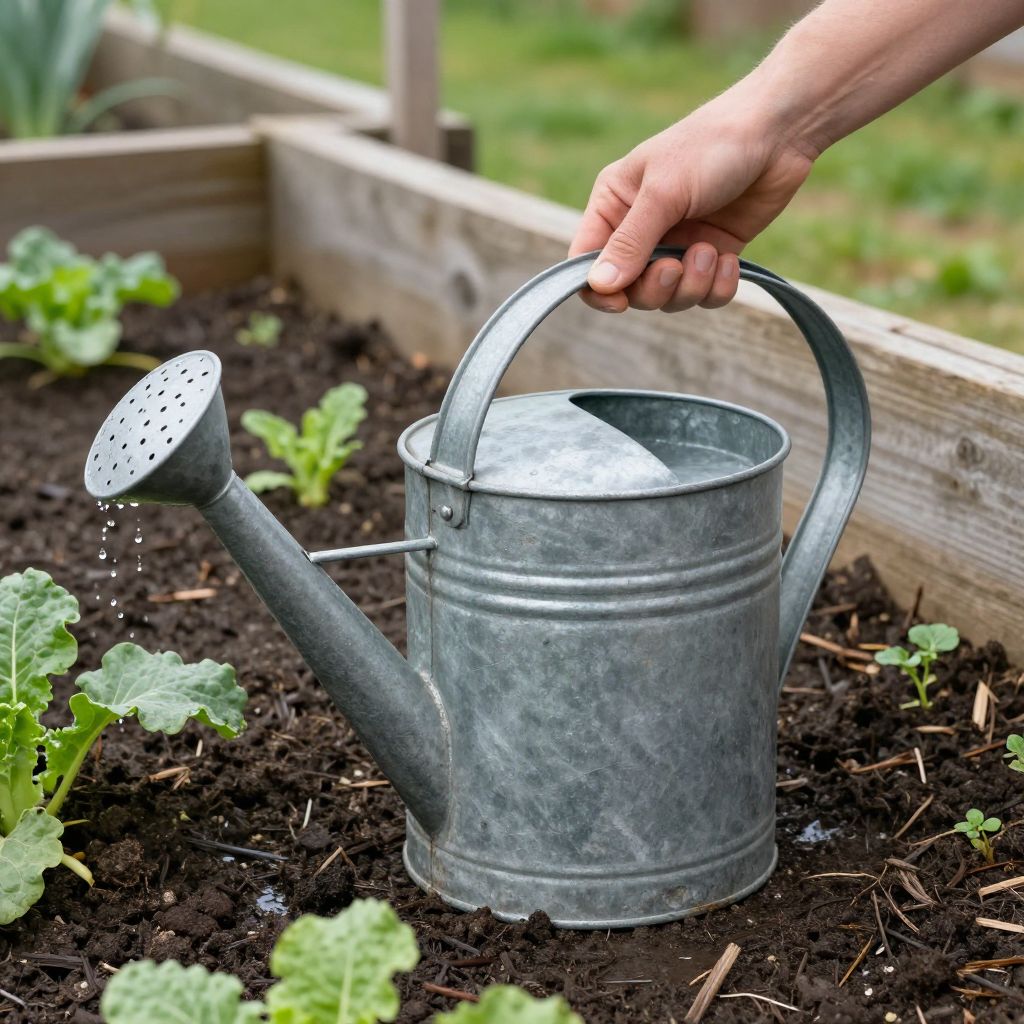
If you’re wondering whether a large watering can is the right tool for your garden, the short answer is yes—if you choose one that matches your space, strength, and watering habits. A good large watering can helps you deliver water slowly and accurately to containers, seedlings, hanging baskets, and garden beds without blasting soil away.
The key is balance: large enough to reduce constant refilling, but not so heavy that it becomes awkward or spills when full. The best choice depends on what you grow, how far you carry water, and whether you water indoors, outdoors, or both.
What is a large watering can and when should you use one?
A large watering can is a hand-held watering tool with a higher capacity than a small indoor can, usually useful for patios, greenhouses, raised beds, and container gardens. It gives you more control than a hose and is especially helpful when you need to water gently, target specific plants, or avoid compacting soil.
Best uses for a large watering can
- Watering pots, planters, and hanging baskets
- Moistening newly sown seed trays or delicate seedlings
- Watering greenhouse benches and indoor plant groups
- Spot-watering plants that need attention without soaking everything nearby
- Applying water to the base of plants where foliage should stay dry
For larger vegetable beds or extensive lawns, a watering can is usually a supplement rather than the main watering method. It shines where precision matters more than speed.
How do you choose the right large watering can?
Choose a large watering can based on capacity, weight, balance, spout style, and the type of plants you water most often. A can that is too big may be hard to lift when full, while one that is too small defeats the purpose of reducing trips back and forth.
Capacity and weight
Common large watering cans hold around 5 to 10 litres, though some are larger. Remember that water is heavy: 10 litres weighs about 10 kilograms before you add the weight of the can itself. If you have limited hand strength or need to carry water up steps, a mid-sized can is often more practical than the biggest option.
Material matters
- Plastic: lightweight, affordable, and easy to carry, but may flex or crack over time if left in sun or frost.
- Metal: sturdier and often more attractive, but heavier and can rust if the finish is damaged.
- Galvanized steel: durable for outdoor use, though still heavier than plastic.
Spout and rose design
The rose is the perforated attachment that breaks water into fine droplets. A removable rose is useful because you can switch between a gentle shower for seedlings and a stronger stream for established plants. A long spout helps you reach under foliage and water at the soil line.
Handle comfort and balance
Test how the can feels when partly and fully filled. The best large watering can should pour smoothly without tipping forward too quickly. A second handle or top grip can improve control when the can is full.
How should you water plants with a large watering can?
Water slowly at the base of the plant until the root zone is moistened, not just the surface. Use a fine rose for seedlings and newly planted containers, and a more direct flow for established plants that need deeper watering. The goal is even moisture, not a quick splash.
Step-by-step watering method
- Fill the can and check the weight before walking to your plants.
- Use the rose for young plants, seed trays, or loose potting mix.
- Pour close to the soil surface to reduce splash and waste.
- Move around the container or plant base so water spreads evenly.
- Stop when water begins to drain from the bottom of containers or when the soil is evenly moist in beds.
For outdoor beds, water less often but more deeply when conditions are dry. For containers, check moisture more frequently because pots dry out faster, especially in wind, heat, and full sun.
How to tell if you’ve watered enough
- Container plants should have moisture throughout the root ball, not just on top.
- Soil should feel cool and slightly damp a few centimetres below the surface.
- Water should not sit in saucers for long periods unless the plant prefers consistently moist conditions.
What plants benefit most from a large watering can?
Plants that need careful, targeted watering benefit most from a large watering can. These include seedlings, young transplants, vegetables in containers, hanging baskets, herbs, and ornamentals that dislike wet foliage. It is also useful for plants that need attention in small, separate growing areas.
Seedlings and young transplants
Newly sown seeds and young transplants are easily disturbed by a heavy stream of water. A watering can with a fine rose helps settle soil gently without washing away seed or exposing roots.
Container plants
Potted plants often dry unevenly. A large watering can makes it easier to water thoroughly until excess drains out, which helps prevent dry pockets in the potting mix.
Vegetable gardens
Tomatoes, peppers, leafy greens, and other vegetables often do best with water applied at the base rather than overhead. This can help reduce leaf wetness and keep the garden tidier.
How do you avoid common watering mistakes?
The most common mistakes with a large watering can are overwatering, watering too fast, and choosing a can that is too heavy to handle safely. Another frequent problem is relying on a fixed schedule instead of checking the soil and adjusting to weather and plant needs.
Mistake: watering on a rigid timetable
Plants do not all need water at the same rate. Hot, windy weather dries soil quickly, while cool or rainy periods slow evaporation. Check the soil before watering rather than assuming it is time.
Mistake: splashing foliage repeatedly
Frequent wet leaves can encourage fungal problems in some plants, especially in humid conditions or poor airflow. Whenever possible, water the soil directly.
Mistake: using a can that is too large for the job
A very large can may seem efficient, but if it is awkward to carry or pour, you may spill water or avoid using it properly. Choose the largest size you can comfortably manage when full.
Mistake: watering only the surface
Light, frequent sprinkling often encourages shallow roots. Aim for deeper watering that reaches the active root zone, especially for vegetables, shrubs, and established ornamentals.
How do you care for a large watering can?
Basic maintenance keeps a large watering can working well and extends its life. Rinse it occasionally, clear the rose holes, and store it where it will not crack, rust, or collect stagnant water. A little care prevents clogs and unpleasant smells.
Cleaning and storage tips
- Empty leftover water after use, especially if the can sits in sun.
- Rinse out algae, sediment, or fertilizer residue when needed.
- Remove and clean the rose if water flow becomes uneven.
- Store plastic cans out of direct frost if possible.
- Keep metal cans dry to reduce rust risk.
If your water source has debris or mineral buildup, the rose holes may clog. Soaking the rose in warm water and gently brushing it can restore flow.
Should you use tap water, rainwater, or stored water?
Any clean water source can work for most garden tasks, but rainwater is often a practical choice for watering cans because it is easy to collect and use. If you use tap water, let it sit briefly if your local water is very cold and you are watering sensitive indoor plants, though this is not necessary for most outdoor gardening.
Practical water-source considerations
- Rainwater: useful for gardens and usually convenient if you have a butt or barrel.
- Tap water: reliable and fine for most plants.
- Stored water: should be clean and free of debris before use.
For edible crops, avoid using water that may be contaminated by roof runoff or dirty containers. Clean collection systems matter as much as the watering can itself.
How can a large watering can help in different seasons?
Your watering needs change through the year, so the same large watering can may be used differently in spring, summer, autumn, and winter. Seasonal weather, plant growth, and container drying all affect how often and how much you water.
Spring
Spring often brings active growth and newly planted seedlings. Use a fine rose for tender growth and check soil moisture carefully because cool weather can hide dry pockets near the surface.
Summer
In warm weather, containers and hanging baskets may need watering more often, sometimes daily in hot spells. Water early in the day when possible so plants can absorb moisture before the heat peaks.
Autumn
As temperatures drop, many plants need less water, but container plants can still dry out on breezy days. Keep watering based on soil feel rather than the calendar.
Winter
Indoor plants and greenhouse plants may still need occasional watering, but growth is usually slower. Avoid keeping roots constantly wet, especially in cool conditions where evaporation is reduced.
What if your plants still look dry after watering?
If soil seems to repel water or water runs off quickly, the potting mix may be dry and compacted, or the soil may be hydrophobic. In that case, water slowly in several passes so moisture can soak in rather than escape over the surface.
Troubleshooting dry soil
- Pour a little water, wait a minute, then water again.
- Loosen the top layer of container mix gently if it has crusted over.
- Check whether the pot has become root-bound and dries too fast.
- Add mulch around outdoor plants to reduce evaporation.
If a container dries out repeatedly, repotting into fresh mix or a larger container may help more than simply watering more often.
What are the best watering habits for healthy plants?
The best habit is to water when the plant needs it, not just when your schedule says so. Use the large watering can to deliver water where it counts: at the root zone, at a pace the soil can absorb, and with enough volume to wet the growing medium evenly.
For more practical garden care, you may also want to read about container gardening basics and how to improve soil drainage so your watering efforts go further and your plants stay healthier.