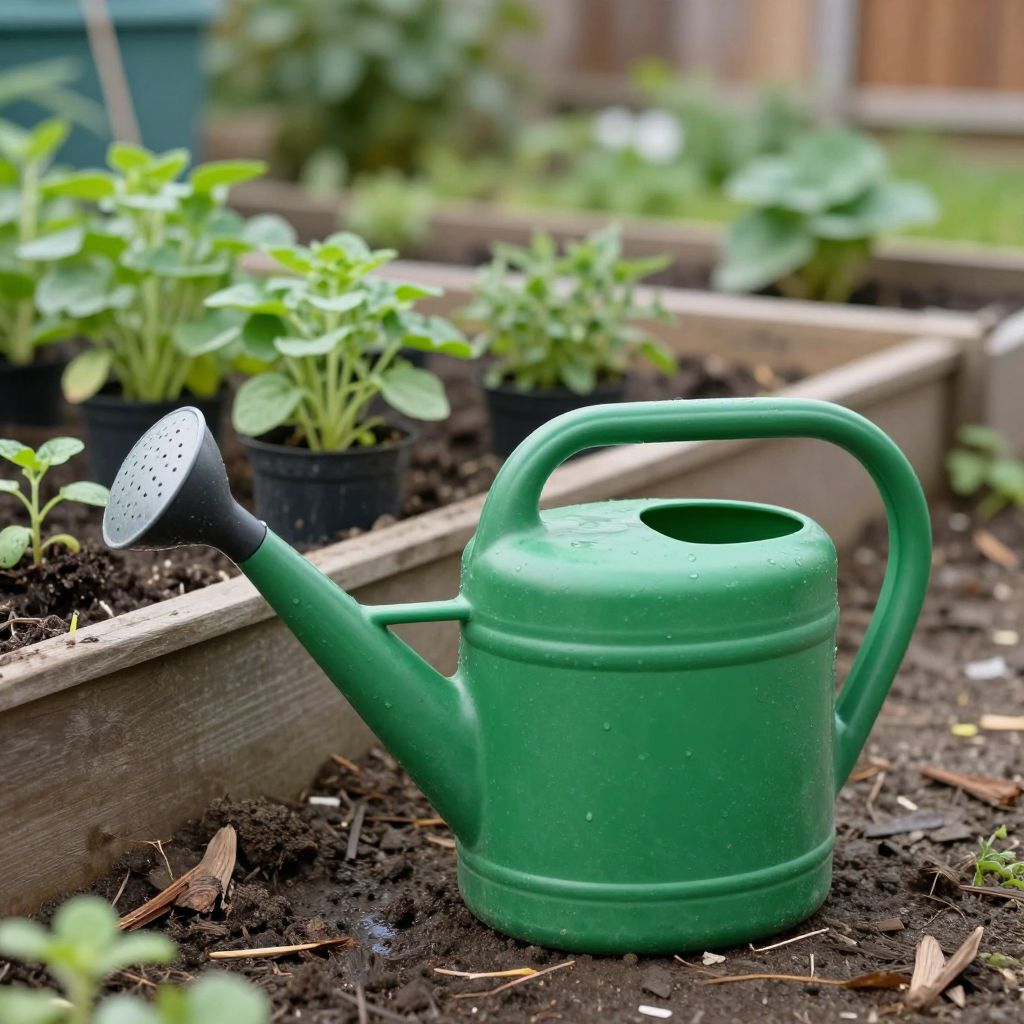
Choosing a plastic watering can sounds simple until you find one that feels awkward, leaks, or pours too fast for your seedlings. The right can makes daily watering easier, especially if you grow containers, houseplants, herbs, or a small vegetable patch.
In this guide, you’ll learn how to choose, use, clean, and maintain a plastic watering can so you can water more accurately, waste less water, and avoid common plant stress problems.
What is a plastic watering can, and how do you choose the right one?
A plastic watering can is a lightweight hand-held watering tool with a spout and rose or nozzle attachment for controlled watering. Choose one that feels balanced when full, has a comfortable handle, a steady pour, and a size that matches your plants and strength. For most home gardeners, 1 to 2 gallons is practical.
Why a plastic watering can works well in the garden
Plastic watering cans are popular because they are light, affordable, and easy to carry when full. That matters if you water hanging baskets, balcony containers, greenhouse seedlings, or indoor plants where you need control rather than a hose blast.
They are also less likely to dent than metal cans and usually come in a range of sizes. For many gardeners, that makes them a sensible everyday tool rather than a specialty item.
Main advantages
- Lightweight: easier on wrists, shoulders, and hands.
- Affordable: good for beginners or multiple watering stations.
- Versatile: useful indoors and outdoors.
- Easy to rinse: simple to clean after fertilizer use.
Possible drawbacks
- Cheaper plastic can crack under sun exposure or rough handling.
- Very large cans can become heavy when full, even if the can itself is light.
- Some spouts pour too quickly, which can disturb soil or seedlings.
How to choose the best plastic watering can
The best can is the one you can use comfortably and accurately. Look beyond color and focus on size, balance, spout design, and durability.
1. Pick a size you can actually lift when full
A gallon of water weighs about 8.3 pounds, and a 2-gallon can can feel much heavier once you add the weight of the container itself. If you have limited strength or water plants on stairs or shelves, a smaller can may be the better choice.
- Small can: good for indoor plants, seedlings, and herbs.
- Medium can: useful for patio containers and mixed beds.
- Large can: better for bigger jobs, but only if you can carry it safely.
2. Check the spout and rose
A long spout helps you reach under foliage and direct water to the soil. A removable rose or sprinkler head creates a gentler shower, which is useful for seedlings, newly sown seed, and delicate pots.
If the rose holes are too large, water may hit the soil too hard. If they are too fine, the can may pour slowly or clog more easily.
3. Look for a comfortable handle
A handle should feel secure when the can is full and should allow a stable grip while pouring. Some cans have a top handle for carrying and a side grip for tipping, which can improve control.
4. Choose UV-stable, sturdy plastic if it will live outside
If your watering can will sit in full sun, choose thicker, higher-quality plastic when possible. Sunlight and temperature swings can make flimsy plastic brittle over time.
How to use a plastic watering can correctly
Watering is not just about adding moisture. The goal is to wet the root zone evenly without washing away soil, exposing roots, or leaving the plant soggy for too long.
Step-by-step watering method
- Fill the can with clean water.
- Add the rose if you are watering seedlings, shallow-rooted plants, or newly planted containers.
- Tip the can slowly so the flow stays even.
- Water at the base of the plant, not over the leaves unless the plant specifically benefits from overhead watering.
- Pause and let water soak in if the soil starts to run off.
- Continue until the root zone is evenly moist, not flooded.
How much water should you give?
There is no universal amount because pot size, soil type, weather, plant size, and growth stage all matter. A dry terracotta pot in hot weather may need much more water than a shaded container in cool conditions.
Use the soil itself as your guide. Water when the top layer is dry for many houseplants and containers, but adjust for moisture-loving plants and for outdoor beds after rain or during cool weather.
Best watering practices for different situations
- Seedlings: use a fine rose and gentle flow to avoid disturbing roots.
- Houseplants: water slowly until excess drains from the bottom, then empty saucers.
- Containers: water thoroughly so the entire root ball is moistened.
- Established beds: water less often but more deeply, especially in dry weather.
Plastic watering can tips for indoor and outdoor gardening
Indoor plants
Indoors, a smaller plastic watering can usually works best because it is easier to maneuver around furniture and foliage. A narrow spout helps you avoid spills on floors and windowsills.
For indoor plants, always check that the pot has drainage holes. A watering can cannot fix a pot that holds water at the bottom.
Outdoor containers and beds
Outside, a larger can may save trips back and forth, but only if you can carry it without strain. For patio pots, hanging baskets, and raised beds, a medium can often gives the best balance of capacity and control.
In windy weather, use a lower pouring angle so water lands where you want it. In hot weather, water early in the day when possible so plants can take up moisture before heat builds.
Seed trays and propagation
For cuttings, seed trays, and newly germinated plants, the rose attachment is especially helpful. It reduces soil disturbance and helps keep seeds from floating or clumping together.
If the surface dries too quickly, bottom watering may be better for some trays. A plastic watering can is still useful for topping up moisture gently from above when needed.
Common mistakes to avoid
Many watering problems come from technique, not from the can itself. A few small changes can make a big difference in plant health.
- Pouring too fast: this causes runoff and uneven watering.
- Watering only the surface: shallow watering encourages shallow roots.
- Leaving water in the can: stagnant water can smell and encourage algae or mosquito breeding outdoors.
- Using a damaged rose: broken holes create harsh streams instead of a gentle shower.
- Ignoring pot drainage: excess water must be able to escape.
Signs you may be overwatering
- Soil stays wet for days.
- Leaves turn yellow and feel soft.
- Potting mix smells sour.
- Plants wilt even though the soil is damp.
Signs you may be underwatering
- Soil pulls away from the pot edge.
- Leaves droop or crisp at the edges.
- Water runs straight through dry potting mix.
- Growth slows and flowers or fruit drop early.
How to clean and maintain a plastic watering can
Cleaning matters more than many gardeners realize. Fertilizer residue, algae, and mineral buildup can clog the rose and shorten the life of the can.
Routine cleaning
- Empty the can after use.
- Rinse it with clean water.
- Remove the rose and flush both the can and the attachment.
- Let it dry upside down if possible.
Deep cleaning when needed
If you notice slime, odor, or mineral deposits, wash the can with warm water and mild soap. Rinse well so no residue remains, especially if you use the can for edible plants.
For stubborn buildup, a soft brush usually works better than harsh scrubbing tools that can damage the plastic or enlarge the rose holes.
Storage tips
- Store the can out of direct sun when possible.
- Keep it upside down or open to dry.
- Do not leave it full of fertilizer water for long periods.
- Bring it indoors in freezing weather if the plastic is not frost-resistant.
When to replace a plastic watering can
Even a good can eventually wears out. Replace it if the handle cracks, the spout leaks badly, the rose no longer fits securely, or the plastic has become brittle and unsafe to carry when full.
If the can still works but pours unevenly, sometimes replacing only the rose or cleaning out blockages is enough. If the body is cracked, though, it is usually better to replace the whole tool.
Practical buying advice for gardeners
If you are choosing your first plastic watering can, start with a medium size that you can lift comfortably when full. Look for a shape that feels balanced, a spout that gives a controlled pour, and a removable rose for flexibility.
If you already have many containers or a larger garden area, consider keeping two cans: one smaller can for indoor plants and seedlings, and one larger can for outdoor use. That simple setup often makes watering faster and more accurate.
Conclusion
A good plastic watering can should make gardening easier, not harder. Choose one that fits your strength, your plants, and your space, then use it with a slow, steady pour at the soil line for healthier results.
If you want to compare styles and sizes before buying, you may also find these guides useful: garden watering can basics and choosing a large watering can.