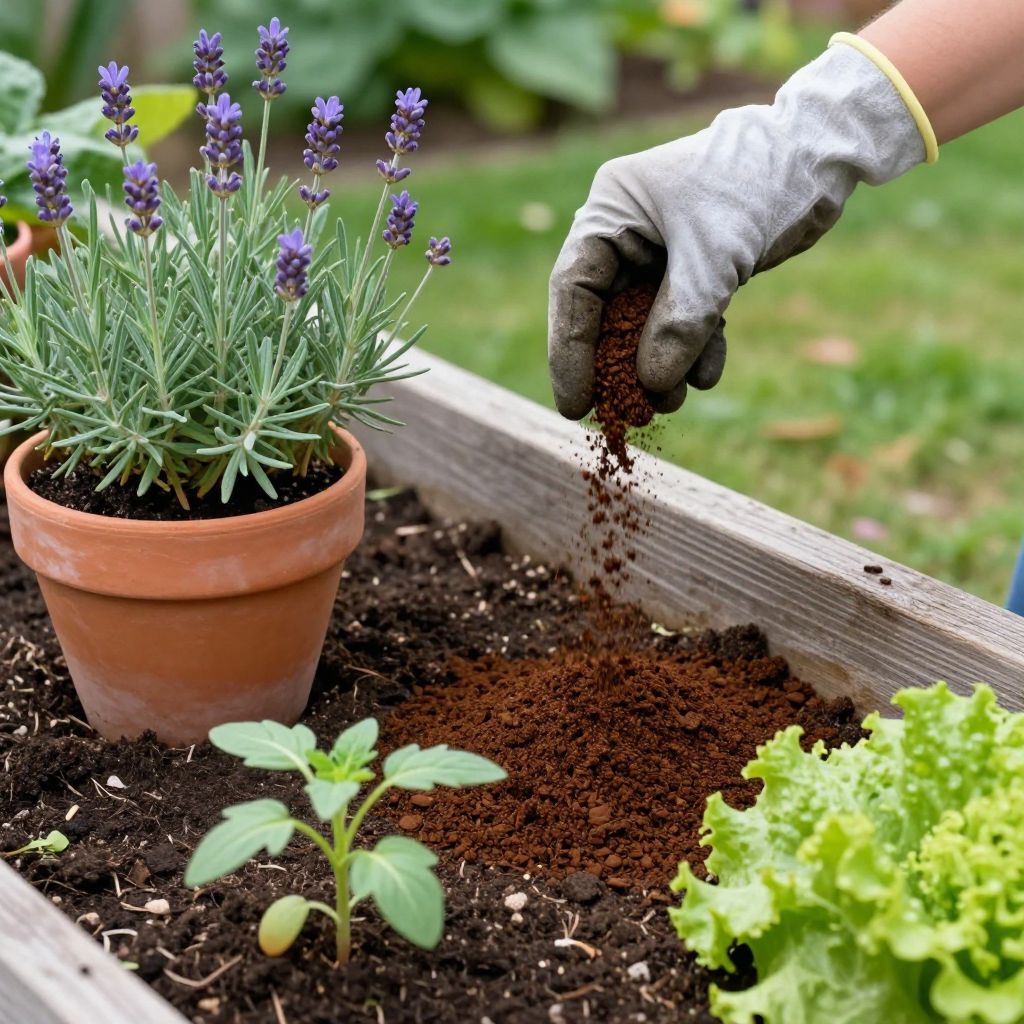
If you’re wondering what plants don’t like coffee grounds, the short answer is: many plants do poorly when coffee grounds are used too heavily, too often, or in the wrong form. Coffee grounds are not a universal soil booster, and some plants prefer neutral to alkaline soil, excellent drainage, and a lighter touch with organic amendments.
Used correctly, coffee grounds can be part of a healthy garden. Used carelessly, they can compact on the soil surface, slow water movement, and make conditions less suitable for plants that dislike extra acidity or dense organic matter.
What plants don’t like coffee grounds?
Plants that prefer alkaline or neutral soil, very free drainage, or low-nutrient conditions are the ones most likely to dislike coffee grounds. That includes many vegetables, herbs, and ornamentals such as lavender, rosemary, asparagus, geraniums, and some seedlings. The problem is usually not “coffee” itself, but overuse, compaction, and changes to soil structure.
Why coffee grounds can cause problems
Fresh or thick layers of coffee grounds can create more trouble than gardeners expect. Grounds are fine-textured, so they can mat together and form a crust that sheds water instead of letting it soak in.
They also break down over time, which is good in compost, but not always ideal when piled directly around plants. In some situations, they may temporarily tie up nitrogen as microbes decompose them, especially if mixed poorly into soil in large amounts.
Main issues to watch for
- Surface crusting: water and air movement can slow down.
- Too much moisture retention: roots may stay wetter than they should.
- Imbalanced soil amendment: repeated heavy applications can alter soil conditions.
- Soil pH concerns: some plants prefer more alkaline conditions and may struggle if the soil trends too acidic.
Plants that often dislike coffee grounds
It’s best to avoid routine coffee-ground use around plants that prefer alkaline soil or lean, dry conditions. These plants are often happier with ordinary compost, grit, or a soil mix matched to their needs.
Common examples
- Lavender (Lavandula)
- Rosemary (Salvia rosmarinus)
- Thyme (Thymus)
- Sage (Salvia officinalis)
- Asparagus (Asparagus officinalis)
- Geraniums (Pelargonium types)
- Many seedlings, especially in small pots or seed trays
- Succulents and cacti that need fast drainage and low organic buildup
Some acid-loving plants can tolerate or even benefit from modest amounts of coffee grounds, but that does not mean they want a thick layer. Even plants that like slightly acidic soil can suffer if the grounds are used as mulch instead of being composted first.
How to tell if coffee grounds are hurting your plants
If a plant has started looking unhappy after you added coffee grounds, check the soil and the roots before changing anything else. Problems often show up as poor drainage, sour-smelling soil, or slow growth rather than one dramatic symptom.
Warning signs
- Soil stays wet for too long after watering
- A crust forms on top of the pot or bed
- Leaves yellow or growth stalls
- Young plants wilt even when the soil feels moist
- Container plants develop fungus gnats or moldy surface growth
If the soil smells stale or looks packed down, coffee grounds may be part of the problem. In pots, this is especially common because containers have less room for excess organic material and less margin for error with watering.
How to use coffee grounds safely in the garden
The safest approach is to treat coffee grounds as a compost ingredient, not a direct mulch for every plant. Mixed into compost in moderation, they can become a useful part of a balanced soil amendment.
Best practices
- Compost them first whenever possible.
- Mix grounds with “brown” materials such as dry leaves, shredded paper, or straw.
- Use only a thin layer if you spread them directly, and never let them mat.
- Keep them away from plants that need sharp drainage or alkaline soil.
- Watch the soil after application and adjust if it stays too wet.
A very light top-dressing can work in some garden beds, but it should be thin enough that you can still see the soil surface through it. If the layer looks like a solid blanket, it is too thick.
Where coffee grounds are usually a bad idea
There are a few situations where coffee grounds commonly cause more harm than good. These are the places to be especially cautious.
Container plants
Potting mix drains differently from garden soil, and coffee grounds can quickly create a dense surface layer in pots. That can reduce airflow, slow drying, and encourage fungus gnats.
Seed starting trays
Seedlings need a light, consistent medium. Coffee grounds can interfere with that balance and make small containers too wet or too compact.
Dry, Mediterranean-style herbs
Plants such as lavender, rosemary, thyme, and sage generally prefer leaner soil and excellent drainage. Extra organic matter at the surface can work against their natural growing conditions.
Rock gardens and xeriscapes
These plantings are designed for fast drainage and low moisture. Coffee grounds can hold too much water and create a softer, richer surface than these plants want.
What to do instead for plants that don’t like coffee grounds
If you want to improve soil around sensitive plants, choose amendments that match the plant’s needs rather than using coffee grounds by default. The right fix depends on whether the issue is drainage, fertility, or soil texture.
Better alternatives
- Finished compost for general soil improvement
- Coarse sand, grit, or fine gravel for drainage-loving plants
- Leaf mold for gentle organic matter
- Mulch that suits the plant’s moisture needs, such as bark for shrubs
If your soil is heavy clay, coffee grounds will not solve drainage problems on their own. In that case, focus on broader soil structure improvements, raised beds, or plant selection that suits your site.
Practical troubleshooting if you already used coffee grounds
Don’t panic if you’ve already spread coffee grounds around a plant that seems unhappy. In many cases, you can correct the situation by removing excess material and improving airflow and drainage.
What to do next
- Gently rake off any thick crust from the soil surface.
- Loosen the top layer without damaging roots.
- Check whether water is pooling or soaking in slowly.
- For pots, scrape away the top layer and replace it with fresh potting mix if needed.
- Pause all extra amendments until the plant recovers.
If roots are staying wet, reduce watering frequency based on the plant’s actual needs and local weather. In cool or humid conditions, soil dries more slowly, so the same watering habit that worked in summer may be too much now.
Can any plants benefit from coffee grounds?
Yes, but only in moderation and usually after composting. Some acid-tolerant plants may appreciate the organic matter, especially in a compost-rich garden bed. Even then, the goal is to improve soil gradually, not to dump grounds directly around the roots.
As a rule, think of coffee grounds as one ingredient in a larger soil-management plan. They are not a fertilizer substitute, and they are not automatically useful for every plant type.
Simple rules to remember
- Do not use thick layers of coffee grounds as mulch.
- Compost first when possible.
- Avoid them around plants that like dry, alkaline, or very free-draining soil.
- Watch pots closely, because containers show problems faster than garden beds.
- If in doubt, use a balanced compost instead.
Conclusion
If you’re asking what plants don’t like coffee grounds, the safest answer is: plants that prefer alkaline soil, sharp drainage, or low organic buildup. Use coffee grounds sparingly, compost them when you can, and let the plant’s soil preference guide your choice. If you want to keep learning, you may also find it helpful to read about whether hydrangeas like coffee grounds and what plants like eggshells.