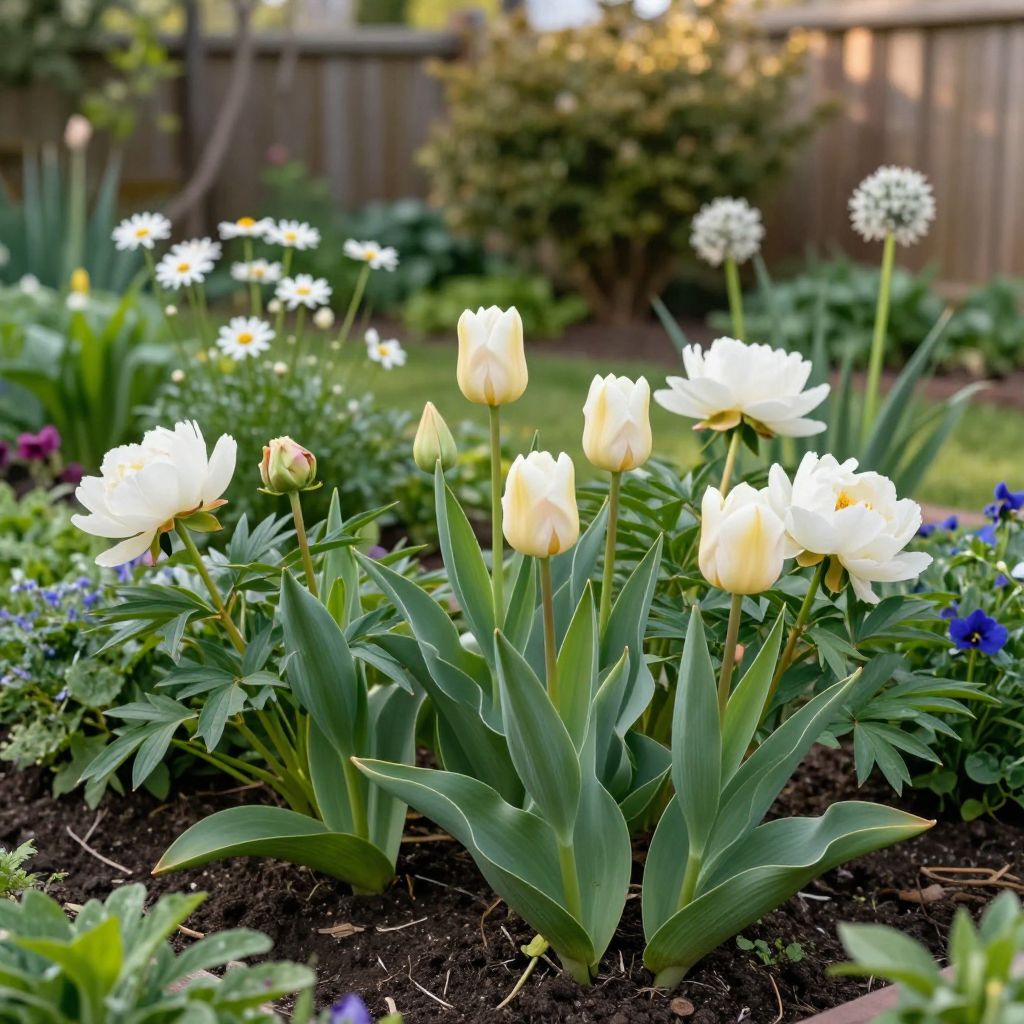
When do flowers bloom? The short answer is: it depends on the plant, your climate, and how well it’s growing. Some flowers open in early spring, others peak in summer, and many bloom again in fall if conditions stay favorable.
If you want more flowers at the right time, focus on the plant’s natural bloom season, sunlight, soil, water, and pruning. A healthy plant in the right spot will usually bloom more reliably than one pushed with extra fertilizer or overwatered.
When do flowers bloom?
Flowers bloom when a plant reaches the right stage of growth and the weather matches its needs. Most bloom times fall into spring, summer, or fall, but exact timing varies by species, local temperature, day length, and whether the plant is annual, perennial, bulb, shrub, or indoor plant.
What affects bloom time?
Blooming is controlled by a mix of genetics and growing conditions. A plant can only flower well if it gets enough light, the right temperatures, and proper care during bud formation.
1. Plant type
- Spring bulbs such as tulips and daffodils bloom after winter chilling.
- Annuals often bloom for long stretches once they mature, usually from late spring through frost.
- Perennials may bloom for a few weeks or rebloom later in the season.
- Shrubs and trees often bloom on a set seasonal schedule, sometimes before leaves emerge.
- Indoor flowering plants bloom according to light, temperature, and day length indoors.
2. Climate and local weather
Cool springs can delay bloom, while early heat may shorten flowering. In mild climates, some plants bloom earlier or longer than they do in colder regions.
3. Sunlight
Many flowering plants need at least 6 hours of direct sun to bloom well. Shade-tolerant flowers can bloom in lower light, but even they usually flower best with bright conditions.
4. Soil and drainage
Rich, well-drained soil supports healthy roots and better blooms. Waterlogged soil can reduce flowering, cause root problems, and make plants focus on survival instead of bloom production.
5. Plant maturity
Some plants need time before they flower. Newly planted perennials, shrubs, and trees may spend their first season establishing roots before producing many blooms.
Typical bloom seasons by plant group
Knowing the group your plant belongs to helps you predict bloom time more accurately than using a calendar alone. Use the plant tag or botanical name when possible, because bloom windows can vary widely within each group.
Spring bloomers
- Bulbs such as crocus, daffodils, tulips, and hyacinths often bloom from late winter to mid-spring.
- Many flowering shrubs, including lilac and forsythia, bloom in spring.
- Some perennials, such as peonies and bleeding heart, bloom in late spring.
Summer bloomers
- Annuals like zinnias, marigolds, and petunias often bloom from early summer until frost.
- Perennials such as coneflower, daylily, and black-eyed Susan usually bloom in summer.
- Roses often have a major flush in late spring or early summer, with repeat blooms later depending on the type.
Fall bloomers
- Chrysanthemums, asters, and many sedums bloom in late summer to fall.
- Some annuals continue flowering until cold weather stops them.
- Late-blooming perennials can extend color into the first frosts.
Indoor flowering plants
Houseplants such as orchids, African violets, and holiday cacti bloom when their light and temperature needs are met. Indoors, bloom timing is often tied to day length, rest periods, and stable conditions rather than the outdoor season.
How to encourage flowers to bloom on time
If your plant should be blooming but isn’t, check the basics first. Most flowering problems come from too little light, too much nitrogen, poor pruning timing, or stress from drought or soggy soil.
- Confirm the plant’s bloom season. Some plants bloom only once a year, and some bloom on last year’s growth.
- Check sunlight. Move containers or trim nearby growth if the plant is shaded too heavily.
- Improve soil structure. Add compost to garden beds if the soil is poor, and make sure drainage is adequate.
- Water deeply, not constantly. Most flowering plants do better with thorough watering followed by a brief drying period at the surface.
- Avoid excess fertilizer. Too much nitrogen can produce leafy growth with fewer flowers.
- Prune at the right time. If you prune spring-blooming shrubs too late, you may remove next season’s flower buds.
Deadheading and reblooming
Removing spent flowers can help many plants produce more buds. Deadheading works especially well on annuals and some perennials, but not every plant needs it.
- Snip faded blooms just above a healthy leaf or side shoot.
- Remove seed heads only if the plant is not being grown for wildlife value or seed collection.
- Stop deadheading late in the season if you want some plants to set seed naturally.
Common reasons flowers do not bloom
When flowers fail to bloom, the plant is usually reacting to stress or an incorrect growing environment. The fix depends on the cause, so look at the whole plant rather than assuming it just needs more fertilizer.
Too much shade
Plants that need full sun often grow leaves but few flowers in low light. If possible, transplant them to a brighter spot or thin nearby plants that are blocking sunlight.
Wrong pruning time
Some shrubs bloom on old wood, meaning they form buds the previous season. Pruning them in late winter or spring can remove the flower buds before they open.
Overfertilizing
High-nitrogen fertilizer can push lush foliage at the expense of flowers. Use a balanced, plant-appropriate approach and avoid feeding heavily unless a soil test or visible deficiency suggests it.
Root stress
Compacted soil, poor drainage, root crowding, or transplant shock can delay blooming. Loosen soil where possible, repot container plants when rootbound, and avoid disturbing newly planted specimens too often.
Late frost or heat stress
Weather swings can damage buds or shorten bloom time. If frost is expected, cover tender plants overnight. During heat waves, mulch helps moderate soil temperature and reduce moisture loss.
Seasonal care for better flowering
Flowering plants respond best when care matches the season. A few small adjustments through the year can make a noticeable difference in bloom quality and timing.
In spring
- Clear winter debris around perennials and bulbs.
- Feed lightly only if the plant needs it and the soil is poor.
- Watch for frost on early buds and protect tender plants if needed.
In summer
- Water during dry spells, especially for container plants.
- Deadhead regularly to keep annuals and repeat bloomers going.
- Mulch beds to conserve moisture and reduce stress.
In fall
- Enjoy late bloomers, but reduce feeding as growth slows.
- Let some seed heads remain if you want winter interest or wildlife support.
- Divide or transplant only when the plant type and weather allow it.
In winter
- Protect tender bulbs, shrubs, and perennials according to your climate.
- For indoor plants, keep them away from cold drafts and heating vents.
- Use the dormant season to plan better placement for next year’s bloomers.
How to time planting for future blooms
If you want flowers at a specific season, plant with bloom time in mind. The best planting window depends on the plant type and your local climate, so use local frost dates and seasonal weather as your guide.
- Spring-blooming bulbs are usually planted in fall, before the ground freezes.
- Warm-season annuals are planted after frost danger passes.
- Perennials and shrubs often establish best in spring or early fall, depending on local conditions.
- Indoor flowering plants may need a specific light cycle or rest period before they rebloom.
Tools and simple maintenance that help
You do not need a lot of equipment to improve bloom timing, but a few basic tools make care easier and more precise.
- Hand pruners for deadheading and shaping
- Watering can or hose with a gentle nozzle
- Garden fork or trowel for loosening compacted soil
- Compost for improving poor garden beds
- Mulch to steady soil moisture and temperature
Final tips for reading your plants
The best way to know when flowers bloom is to watch how each plant behaves in your own garden. A healthy plant, placed in the right light and soil, will usually follow its natural bloom schedule more reliably than one that is stressed or misplaced.
Start by identifying the plant, then match its light, water, and pruning needs to the season. If you want to plan next year’s display, keep notes on when each flower opens and how long it lasts, then adjust your planting and care accordingly. For more practical growing help, you may also want to read about how to deadhead flowers for more blooms and choosing the best soil for flowering plants.