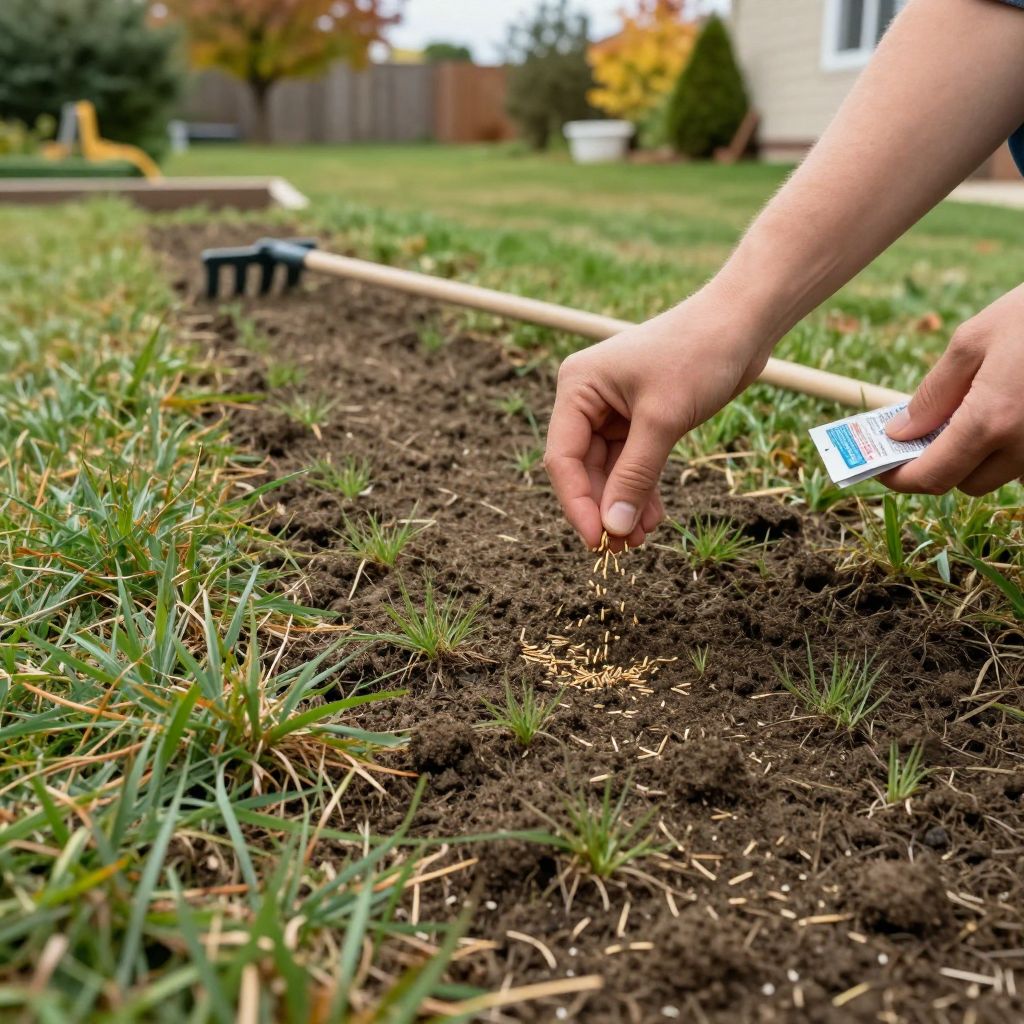
When should I plant grass seed? The best time depends on your grass type and local climate, but most lawns establish best when temperatures are moderate and soil moisture is reliable. In many regions, cool-season grasses are seeded in early fall, while warm-season grasses are planted in late spring through early summer.
Timing matters because grass seed needs warm soil, steady moisture, and enough time to root before stress from heat, cold, or drought. If you seed at the wrong time, germination can be slow, patchy, or fail altogether.
When should I plant grass seed?
The best time to plant grass seed is when soil temperatures and weather favor fast germination and steady growth. For cool-season grasses, aim for late summer to early fall; for warm-season grasses, seed in late spring to early summer after frost danger has passed. Local weather matters more than the calendar.
Choose the right timing for your grass type
Not all lawn grasses grow on the same schedule. The biggest mistake is planting seed when the grass is naturally slow to sprout or when seedlings will face extreme heat or cold.
Cool-season grasses
Cool-season grasses such as Kentucky bluegrass, perennial ryegrass, tall fescue, and fine fescues usually do best when seeded in late summer to early fall. Soil is still warm, air temperatures are cooler, and weeds are less aggressive than in spring.
This timing gives seedlings several weeks to establish before winter. In many areas, that means seeding from about 6 to 8 weeks before the first expected frost.
Warm-season grasses
Warm-season grasses such as bermudagrass, zoysiagrass, centipedegrass, and bahiagrass are usually planted in late spring through early summer. They need warm soil to germinate and grow strongly.
If you seed too early, cold soil can delay sprouting and increase the risk of rot or poor establishment. Wait until frost is past and nights are consistently mild.
What if you do not know your grass type?
If you are unsure what kind of lawn you have, check the seed label, ask a local garden center, or contact your cooperative extension office. The right planting window depends on whether your lawn is built for cool or warm conditions.
Why timing matters so much
Grass seed is small and vulnerable. It needs consistent moisture at the soil surface, good seed-to-soil contact, and enough time to develop roots before stress arrives.
- Too early in spring: cool soil slows germination and weeds can outcompete seedlings.
- Too late in fall: seedlings may not root deeply enough before frost.
- Too early in summer: heat and drying soil can kill tender sprouts.
- Too late in summer: young grass may struggle through heat or drought.
In short, you want the seed to germinate quickly and the young grass to grow steadily without severe weather pressure.
How to tell if conditions are right
Instead of relying only on the date, check the conditions in your yard. A good planting window usually has workable soil, moderate temperatures, and a forecast that allows for regular watering.
Look for these signs
- Soil is moist but not waterlogged.
- Daytime temperatures are moderate for your grass type.
- Night temperatures are not extreme.
- You can water lightly and consistently for the first few weeks.
- Weed pressure is manageable.
If your soil is baked hard, soggy, or frozen, wait. Grass seed does best in a prepared seedbed that is loose enough for roots to penetrate.
How to prepare the soil before seeding
Good preparation often matters as much as timing. Even perfect timing will not fix poor seed-to-soil contact or compacted ground.
- Remove debris, sticks, and dead grass from the area.
- Loosen the top 1 to 2 inches of soil with a rake or garden tiller if needed.
- Level low spots so water does not puddle.
- Add a thin layer of compost if the soil is poor, sandy, or thin.
- Rake the seed in lightly so it is covered by a very shallow layer of soil.
For overseeding an existing lawn, mow low, rake out thatch, and expose enough soil for the seed to settle into small openings.
Should you add compost?
A light topdressing of finished compost can improve moisture retention and soil structure, especially in tired or compacted lawns. Keep it thin so you do not bury the seed too deeply.
Grass seed should generally be covered lightly, not buried. Most seed performs best when it is planted shallowly, often about 1/8 to 1/4 inch deep depending on seed size and soil texture.
Step-by-step: planting grass seed the right way
Once your timing is right, the planting process should be simple and even. Uneven seeding leads to patchy growth and thin spots later.
- Measure the area so you know how much seed you need.
- Select the right seed mix for your sun exposure, climate, and use.
- Prepare the soil by loosening the surface and removing debris.
- Spread seed evenly with a hand spreader or broadcast spreader.
- Rake lightly so seed makes contact with the soil.
- Roll or press the area gently if needed to improve contact.
- Water carefully to keep the top layer consistently moist.
For best results, seed in two passes at right angles if you are covering a large area. This helps reduce streaks and bare bands.
Watering after seeding
New grass seed dries out quickly, so moisture management is critical. The goal is to keep the seedbed evenly moist, not soaked.
Light, frequent watering is usually better than deep, infrequent watering during germination. In warm or windy weather, you may need to water more often to prevent the surface from drying out.
- Water gently so seed is not washed away.
- Keep the top layer of soil moist until germination.
- Reduce frequency gradually once seedlings are established.
- Avoid puddles, which can rot seed or create crusting.
After the grass is up, shift toward deeper, less frequent watering so roots grow downward instead of staying near the surface.
Sunlight, shade, and lawn success
Grass seed also needs the right light conditions. Some grasses tolerate shade better than others, but no lawn seed will thrive in dense, deep shade without help.
Match the seed to the site
- Full sun areas: most lawn grasses perform well if moisture is adequate.
- Partial shade: choose a mix suited to lower light.
- Heavy shade: grass may thin out; consider pruning trees or using a shade-tolerant groundcover instead.
If a tree canopy blocks too much light, even perfect seeding timing will not solve the problem. Thin, weak grass in shade is often a light issue, not just a seed issue.
Common mistakes to avoid
Many lawn seeding problems come from simple missteps that are easy to prevent.
- Planting at the wrong season for the grass type.
- Skipping soil prep and seeding into compacted ground.
- Using too much seed, which can cause crowding and weak seedlings.
- Letting the surface dry out during germination.
- Covering seed too deeply, which can reduce sprouting.
- Mowing too soon before roots are strong.
Another common issue is weed competition. If you seed at the right time for your grass, the lawn has a better chance to fill in before weeds dominate.
How long does grass seed take to grow?
Germination time varies by grass type, soil temperature, and moisture. Some grasses sprout quickly, while others take longer to establish a full lawn.
Do not assume the seed has failed if you do not see growth immediately. Check the seed label for expected germination timing, and keep the surface evenly moist while you wait.
Signs the seed is working
- Small green shoots appear evenly across the area.
- Roots begin anchoring the soil surface.
- The lawn looks denser rather than patchy over time.
If you see bare spots after the expected germination period, the cause may be poor seed contact, drying, birds, washout, or planting at the wrong time.
Aftercare for young grass
New seedlings are delicate. The first few weeks after germination are just as important as the planting date itself.
- Keep foot traffic off the area as much as possible.
- Mow only when the grass is tall enough and rooted firmly.
- Use a sharp mower blade to avoid tearing tender blades.
- Do not overfertilize young grass unless your soil test or seed instructions call for it.
If you need to mow, wait until the grass reaches the recommended mowing height for your lawn type and remove no more than one-third of the blade at a time.
Troubleshooting patchy or failed germination
If your grass seed did not come up well, the problem is often fixable. Start by checking the planting window, then inspect the seedbed.
Possible causes
- Seed was planted too early or too late for the season.
- Soil dried out between waterings.
- Seed was buried too deeply or left exposed.
- Birds, wind, or runoff moved the seed.
- The soil was compacted or low in organic matter.
- The seed was old or stored improperly.
For thin areas, lightly rake, reseed, and keep the surface moist. If the whole lawn struggled, correct the timing and soil conditions before trying again.
A simple rule of thumb
If you want the shortest answer to when should I plant grass seed, use this rule: seed cool-season lawns in early fall and warm-season lawns in late spring to early summer, then adjust for your local climate. The best planting time is when the soil is workable and the weather supports steady germination.
Before you start, check your grass type, prepare the soil, and plan for regular watering during establishment. If you want more lawn help, look for related guides on how to prepare soil for new grass seed and how to overseed a lawn.