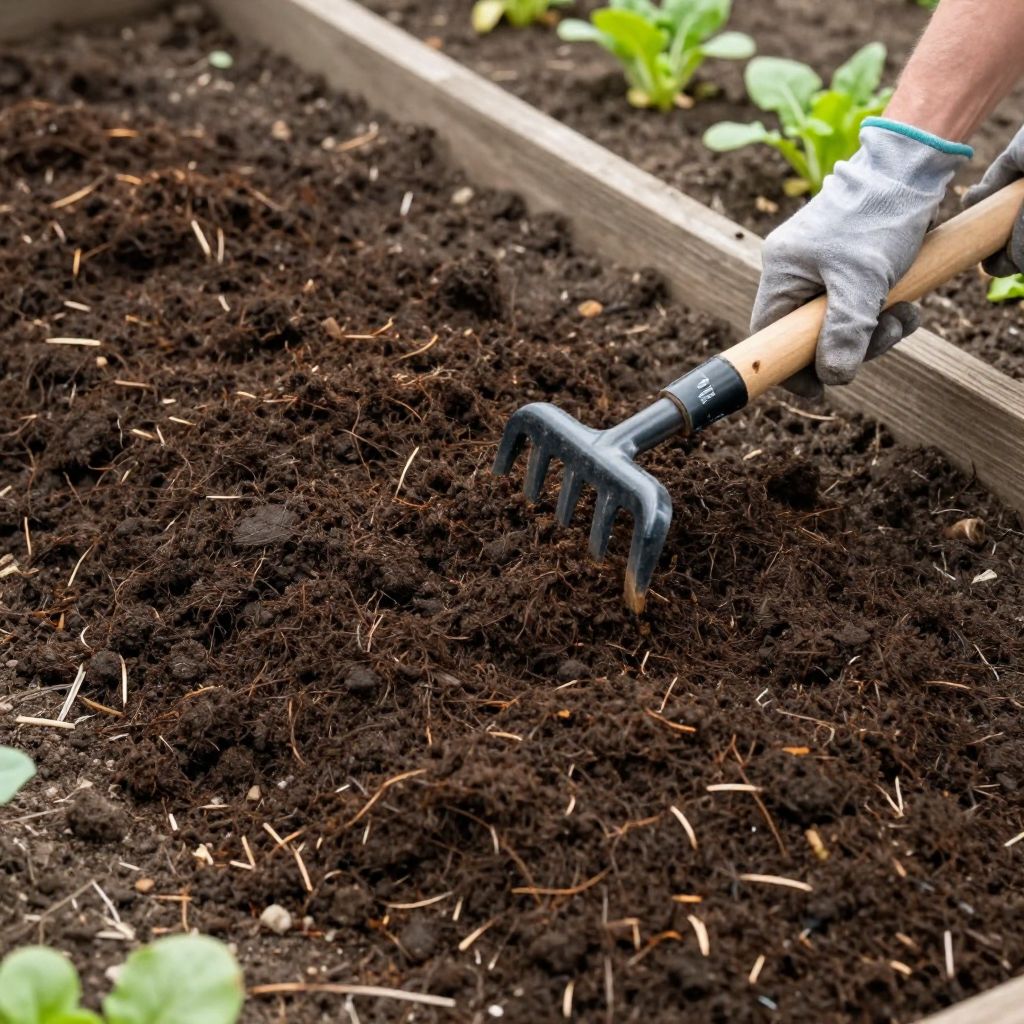
Wondering what is mushroom compost and whether it belongs in your garden? It’s a useful soil amendment, but it’s not a universal fix for every bed, pot, or crop.
Used correctly, mushroom compost can improve soil structure and help feed many garden plants. Used carelessly, it can be too alkaline, too salty, or too rich for sensitive plants, so it pays to know exactly what you’re adding.
What is mushroom compost?
Mushroom compost is the spent growing medium left after mushrooms are harvested. It usually contains materials such as straw, horse manure, poultry litter, gypsum, peat, or other agricultural by-products that were used to grow mushrooms, then composted and pasteurized. Gardeners use it as a soil conditioner, not as a complete potting mix.
How to identify mushroom compost
Good mushroom compost is typically dark brown, crumbly, and earthy-smelling, with few recognizable pieces of straw or manure. It should feel moist but not wet, and it should not have a strong ammonia, sour, or rotten odor. If it smells harsh or looks slimy, it may not be fully cured.
What it usually looks and feels like
- Texture: Fine to medium crumb, often lighter and fluffier than garden soil
- Color: Dark brown to nearly black
- Smell: Earthy and mild, not sharp or offensive
- Consistency: Loose enough to blend into soil, not sticky or compacted
Signs it may not be ready to use
- Strong ammonia smell
- Visible hot spots, steam, or excessive heat
- Large amounts of undecomposed bedding
- White moldy patches that persist and spread in storage
- Very salty taste is not a test to use, but salt buildup can be an issue in some batches
What is mushroom compost used for in the garden?
Mushroom compost is best used to improve soil texture, increase organic matter, and support general plant growth in beds and borders. It can help sandy soil hold moisture and nutrients, and it can loosen heavy soil over time. It is less suitable for acid-loving plants and for containers unless blended carefully.
What mushroom compost is made from
The exact recipe varies by grower, but mushroom compost commonly starts with a bedding mix designed for mushroom production. After mushrooms are harvested, the spent material is composted further. Because ingredients vary, the final product can differ in pH, nutrient content, salt level, and texture from one supplier to another.
Why that matters to gardeners
Because mushroom compost is not standardized like a bagged fertilizer, you should treat it as a variable amendment. One batch may be mild and excellent for raised beds, while another may be too alkaline for blueberries, rhododendrons, or camellias.
Benefits of mushroom compost
When it’s well finished and used in moderation, mushroom compost offers several practical benefits. It adds organic matter, supports beneficial soil life, and can improve the way soil holds water and nutrients. It also helps break up compacted garden beds when incorporated into the top layer.
- Improves soil structure in clay or compacted beds
- Boosts moisture retention in sandy soil
- Adds organic matter for long-term soil health
- Can supply some nutrients, especially in mixed garden beds
- Useful as mulch or top-dressing in some situations
Limitations and risks to know
Mushroom compost is helpful, but it is not perfect. It can be too alkaline for acid-loving plants, and some batches contain soluble salts that may stress seedlings, beans, carrots, or other sensitive crops. It can also be too “hot” if not fully composted, especially for young roots.
Plants that often need caution
- Blueberries
- Rhododendrons and azaleas
- Camellias
- Heaths and heathers
- Potatoes, if pH management is important in your soil
- Seedlings and very young transplants
Always check the product label if available, and ask the supplier whether the compost is aged, pasteurized, and suitable for general garden use. If you garden in a region with naturally alkaline soil, be especially careful using mushroom compost near plants that prefer acidic conditions.
How to use mushroom compost correctly
The safest approach is to blend mushroom compost into existing soil rather than using it straight as a planting medium. In most garden beds, a modest amount improves the soil without overwhelming it. For containers, it should usually be mixed with other ingredients rather than used alone.
For in-ground beds
- Spread a layer of mushroom compost over the bed.
- Work it into the top 6 to 8 inches of soil, if practical.
- Use it as an amendment, not as the only growing medium.
- Water the bed after incorporation to help settle the soil.
A common approach is to mix it with native soil rather than exceed about one-third compost by volume in a bed. If your soil is already rich, use less. If you are improving poor soil, start conservatively and observe how plants respond.
For raised beds
Raised beds often benefit from a balanced mix of topsoil, compost, and other amendments. Mushroom compost can be part of that mix, but it should not be the entire bed fill. Too much compost can create a soft, nutrient-heavy medium that settles quickly and may hold too much water.
For containers
Use mushroom compost sparingly in pots. Container plants need a well-drained mix, and compost alone can compact or hold water unevenly. Blend it with a quality potting mix, and avoid using it for seedlings unless the product is specifically labeled for that purpose and you know it is fully finished.
When to apply mushroom compost
You can apply mushroom compost in spring or fall, depending on your climate and garden goals. Fall applications give organic matter time to integrate over winter in many regions, while spring use can help prepare beds before planting. In hot climates, mulch-like top-dressing may be safer than deep incorporation during peak heat.
Seasonal considerations
- Spring: Good for preparing beds before planting
- Fall: Helpful for building soil over winter
- During active growth: Use lightly around established plants, not against stems
- Before sowing seeds: Use cautiously, especially if the compost is fresh or salty
Best plants for mushroom compost
Mushroom compost suits many vegetables, annual flowers, shrubs, and lawn areas when used as a soil amendment. It is especially useful for plants that appreciate fertile, moisture-retentive soil but do not require acidic conditions.
Often good candidates
- Tomatoes, peppers, and eggplants in amended beds
- Leafy greens such as lettuce and chard
- Brassicas such as cabbage and broccoli
- Roses in well-drained beds
- Many general border perennials
- Lawns needing a light top-dressing, if the material is well finished
Even with these plants, moderation matters. Too much compost can create lush top growth with weaker roots or make soil overly rich for some crops.
Common mistakes to avoid
The most common mistake is treating mushroom compost like a universal potting mix. Another is using it heavily around acid-loving plants or assuming every batch is identical. Because the material varies, you should always start small and watch how your soil and plants respond.
- Do not use it straight in containers unless the product is specifically suitable
- Do not pile it against stems or crowns
- Do not assume it is low-salt or neutral pH
- Do not use fresh, hot, or strongly smelling compost
- Do not overapply in already fertile soil
Troubleshooting problems after using mushroom compost
If plants yellow, wilt, or stall after application, the issue may be excess salts, poor drainage, or too much compost around roots. If leaves scorch or seedlings fail, the compost may have been too strong for young plants. In acidic-soil plants, pH drift is another common concern.
What to do if plants seem stressed
- Check drainage first. Waterlogged soil can mimic nutrient problems.
- Stop adding more compost or fertilizer.
- Water deeply to help leach excess salts if the soil drains well.
- Mulch lightly with a neutral material if needed.
- For acid-loving plants, test soil pH before making more changes.
If you are unsure whether the compost caused the issue, compare affected plants with nearby plants in untreated soil. That can help you tell a compost problem from a weather, pest, or watering problem.
How mushroom compost compares with other composts
Mushroom compost is usually richer and more alkaline than many home composts, but it can be less predictable than a well-made leaf mold or fully matured garden compost. It is best thought of as a soil amendment with specific strengths, not a one-size-fits-all replacement for all compost types.
- Versus garden compost: Often more nutrient-rich and sometimes more alkaline
- Versus manure compost: Usually more finished and cleaner, but still variable
- Versus leaf mold: Better for fertility, leaf mold better for gentle soil improvement
Simple buying and storage tips
Buy from a supplier that can tell you whether the compost is aged and suitable for garden use. Store it under cover if possible, because heavy rain can leach nutrients and create soggy, compacted piles. Use it within a reasonable time so it stays loose and easy to blend.
Before you buy, ask these questions
- Is it fully composted and cooled?
- What ingredients were used?
- Is it suitable for vegetables and containers?
- Has it been tested for pH or salts?
Conclusion
Mushroom compost can be a valuable garden amendment when you use it as a soil improver rather than a stand-alone growing medium. Start with a small amount, mix it into the soil, and avoid using it around acid-loving plants unless you know the product is suitable. If you’re planning your next bed, test a small area first and see how your soil responds.
For more practical soil-building advice, you may also want to read about how to improve garden soil and choosing the right compost for raised beds.