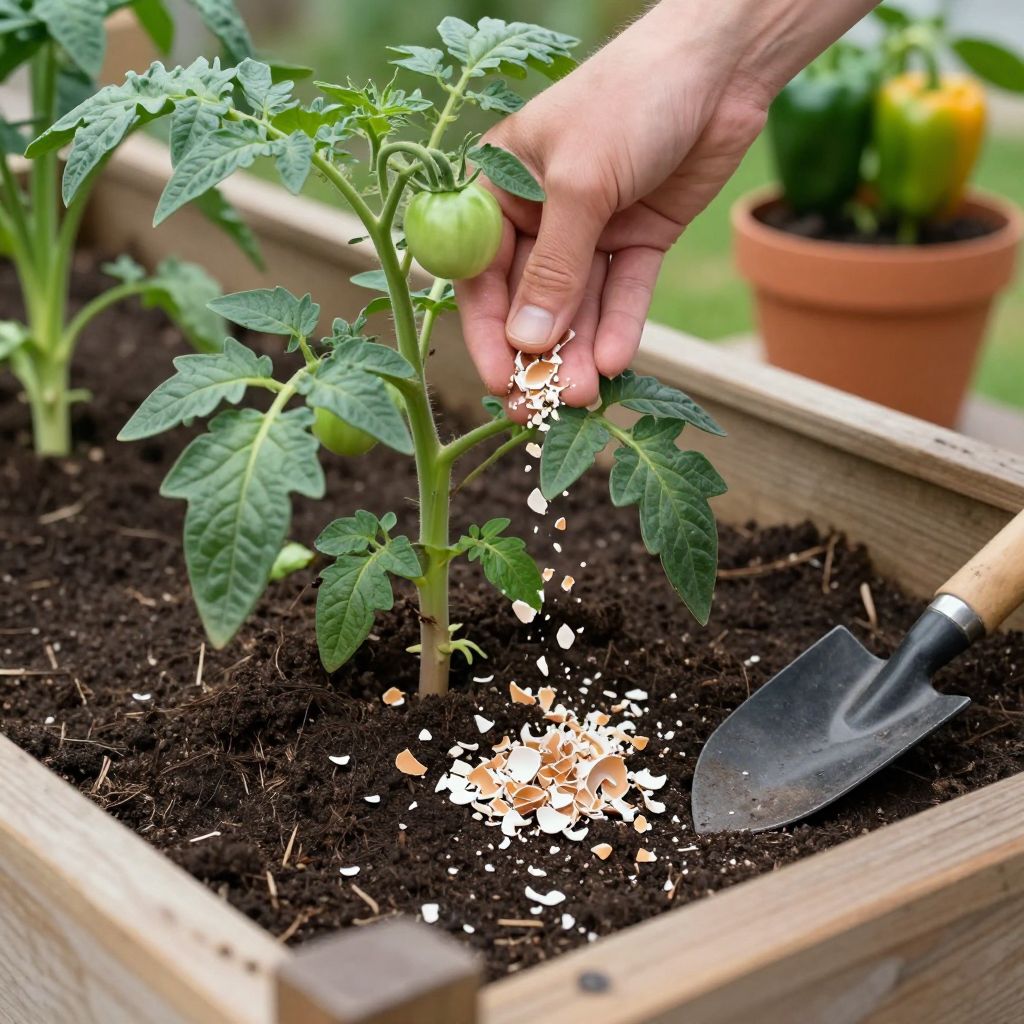
Wondering what plants like eggshells and whether they actually help your garden? Eggshells can be a useful soil amendment, but they are not a quick fix and they do not suit every plant or every problem. Used the right way, they can add calcium, improve soil structure over time, and help as part of a broader composting or soil-care routine.
The key is knowing when eggshells are helpful, when they are too slow to matter, and which plants may benefit most. If you use them correctly, you can support healthier soil without wasting time on a garden myth.
What plants like eggshells?
Plants that benefit most from eggshells are those that do well in calcium-rich soil, especially tomatoes, peppers, eggplants, brassicas, and some flowering plants. Eggshells are best used as a slow-release soil amendment or compost ingredient, not as a fast fertilizer. They help most when your soil is low in calcium or you are improving long-term soil health.
How eggshells help plants
Eggshells are made mostly of calcium carbonate, with small amounts of other minerals. In the garden, they are mainly valued for their calcium content and their ability to add organic matter to compost or soil over time.
What eggshells can do
- Add calcium slowly as they break down.
- Support soil structure when mixed into compost or worked into beds.
- Help balance a garden routine that already includes compost, mulch, and good watering.
What eggshells cannot do well
- They do not act as a complete fertilizer.
- They break down slowly, especially in coarse pieces.
- They will not fix blossom end rot instantly if watering is inconsistent.
If your plants show calcium-related problems, eggshells may be part of the solution, but they are rarely the only answer. Soil pH, moisture swings, root health, and nutrient balance all matter too.
Best plants for eggshells
Some plants are more likely to appreciate the calcium support eggshells can provide. These are usually plants that need steady growth and are sensitive to calcium shortages, especially in fruiting or heading crops.
Vegetables that may benefit
- Tomatoes (Solanum lycopersicum)
- Peppers (Capsicum spp.)
- Eggplants (Solanum melongena)
- Squash and cucumbers when soil is low in calcium or irregularly watered
- Brassicas such as cabbage, broccoli, cauliflower, and kale
Flowers and ornamentals that may benefit
- Roses
- Marigolds
- Geraniums
- Many annuals grown in beds with depleted soil
These plants are not “egg-shell lovers” in a strict sense. They simply tend to perform better when calcium is available and soil conditions are stable.
How to use eggshells in the garden
The best way to use eggshells depends on your goal. For most home gardeners, the most practical methods are composting, crushing them finely, or using them as a light soil amendment around established plants.
1. Add eggshells to compost
This is usually the easiest and most effective method. Eggshells break down more reliably in a compost pile where heat, moisture, and microbial activity help them decompose.
- Rinse shells to remove residue.
- Let them dry completely.
- Crush them into small pieces before adding them to compost.
- Mix them with other compost materials so they are not clumped together.
Tip: The smaller the pieces, the faster they break down. Powdered shells work better than large fragments.
2. Crush and mix into planting holes or beds
You can mix finely crushed eggshells into the top layer of soil before planting, especially in vegetable beds. This works best as a long-term soil-building practice, not as a quick rescue for a struggling plant.
- Use only clean, dry shells.
- Crush them as finely as possible.
- Work them into the top 2 to 4 inches of soil.
- Do not rely on them alone for nutrient needs.
3. Sprinkle around established plants
Some gardeners spread crushed shells around the base of plants. This can be fine in moderation, but it is most useful when shells are finely crushed and lightly worked into the surface soil.
Large shell pieces on the soil surface often look tidy but break down too slowly to make much difference.
When eggshells are most useful
Eggshells are most helpful when your garden already has good basics in place. They work best in soil that is well-drained, rich in organic matter, and watered consistently.
Good situations for eggshells
- You are building a compost pile.
- Your soil is low in organic matter.
- You want a slow, gentle calcium source over time.
- You are preparing vegetable beds for future seasons.
Less useful situations
- You need a fast fix for a nutrient deficiency.
- Your soil is already alkaline and calcium-rich.
- Your plants are suffering from poor drainage or root damage.
- You are dealing with pests and expect eggshells to solve the problem.
In other words, eggshells are a soil-building tool, not a cure-all. They work best alongside compost, mulch, and proper watering.
Do eggshells help with blossom end rot?
Blossom end rot is often linked to calcium, but it is usually caused or worsened by inconsistent watering rather than a simple lack of calcium in the soil. Eggshells may help over time, but they do not usually correct the problem quickly enough for the current crop.
What to do instead
- Water deeply and consistently.
- Mulch to reduce moisture swings.
- Avoid overfertilizing with high nitrogen, which can push weak growth.
- Improve drainage if roots stay too wet.
- Test soil if the problem keeps returning.
If tomatoes or peppers are already showing blossom end rot, focus first on stabilizing moisture. Then use eggshells as part of a longer-term soil improvement plan.
How to prepare eggshells for the garden
Proper preparation matters if you want eggshells to be useful. Clean, dry, finely crushed shells break down much better than whole halves tossed onto the soil.
Simple preparation steps
- Rinse shells after use.
- Air-dry them or bake them briefly at low heat if needed for drying.
- Crush them with your hands, a rolling pin, or a mortar and pestle.
- For faster breakdown, grind them into a coarse powder.
Important: Do not leave wet shells piled up, since they can smell and attract pests.
Common mistakes to avoid
A few common errors can make eggshells disappointing or even counterproductive.
- Using whole shells and expecting quick results.
- Applying them instead of compost or fertilizer when plants need broader nutrition.
- Adding them to very alkaline soil without checking pH first.
- Leaving shells on the surface in large pieces where they break down slowly.
- Expecting them to solve pest problems such as slugs or snails on their own.
Eggshells are best treated as one small part of a healthy garden system, not as the main input.
Do eggshells repel pests?
Some gardeners use eggshells as a barrier against slugs and snails, but results are inconsistent. Sharp, dry shell fragments may discourage a few pests at first, but they often lose effectiveness once they become damp or embedded in soil.
Better pest-control habits
- Check plants regularly for chewing damage.
- Remove hiding spots such as dense debris near stems.
- Water in the morning so foliage dries faster.
- Use hand-picking, traps, or other targeted controls when needed.
If you want to use eggshells for pest management, think of them as a minor deterrent at best, not a reliable defense.
Indoor plants and eggshells
Eggshells can be used for indoor plants, but only with care. In pots, excess shell pieces can sit on the surface, break down slowly, and sometimes make the soil look messy without offering much benefit.
Best approach for containers
- Use only finely crushed shells.
- Mix a small amount into potting mix or compost.
- Avoid piling shells on top of houseplant soil.
- Make sure containers still drain well.
For potted herbs, tomatoes, or flowering containers, eggshells are most useful as part of a compost-rich potting mix rather than a top dressing.
Should you test your soil first?
Yes, if you want the most accurate answer. A soil test can tell you whether calcium is actually low and whether your pH is in a range where plants can use nutrients effectively.
If your soil already has enough calcium, adding more eggshells will not improve plant growth much. In that case, compost, mulch, and balanced feeding may be more useful.
Practical garden routine for using eggshells
If you want a simple, realistic way to include eggshells in your garden, follow a routine that supports the whole soil ecosystem.
- Collect and rinse shells from kitchen use.
- Dry them and crush them finely.
- Add them to compost or mix them into prepared beds.
- Water plants consistently, especially fruiting vegetables.
- Mulch beds to reduce moisture swings.
- Observe plant growth and adjust based on soil conditions.
This approach is far more effective than scattering shells randomly and hoping for immediate results.
Conclusion
What plants like eggshells? The best candidates are tomatoes, peppers, eggplants, brassicas, and other garden plants that benefit from steady calcium and improved soil health. Use eggshells as a slow, supportive amendment by crushing them finely and adding them to compost or soil, then pair them with consistent watering and good drainage.
If you want to keep improving your garden naturally, look next at composting basics for home gardeners and how to test your soil at home.