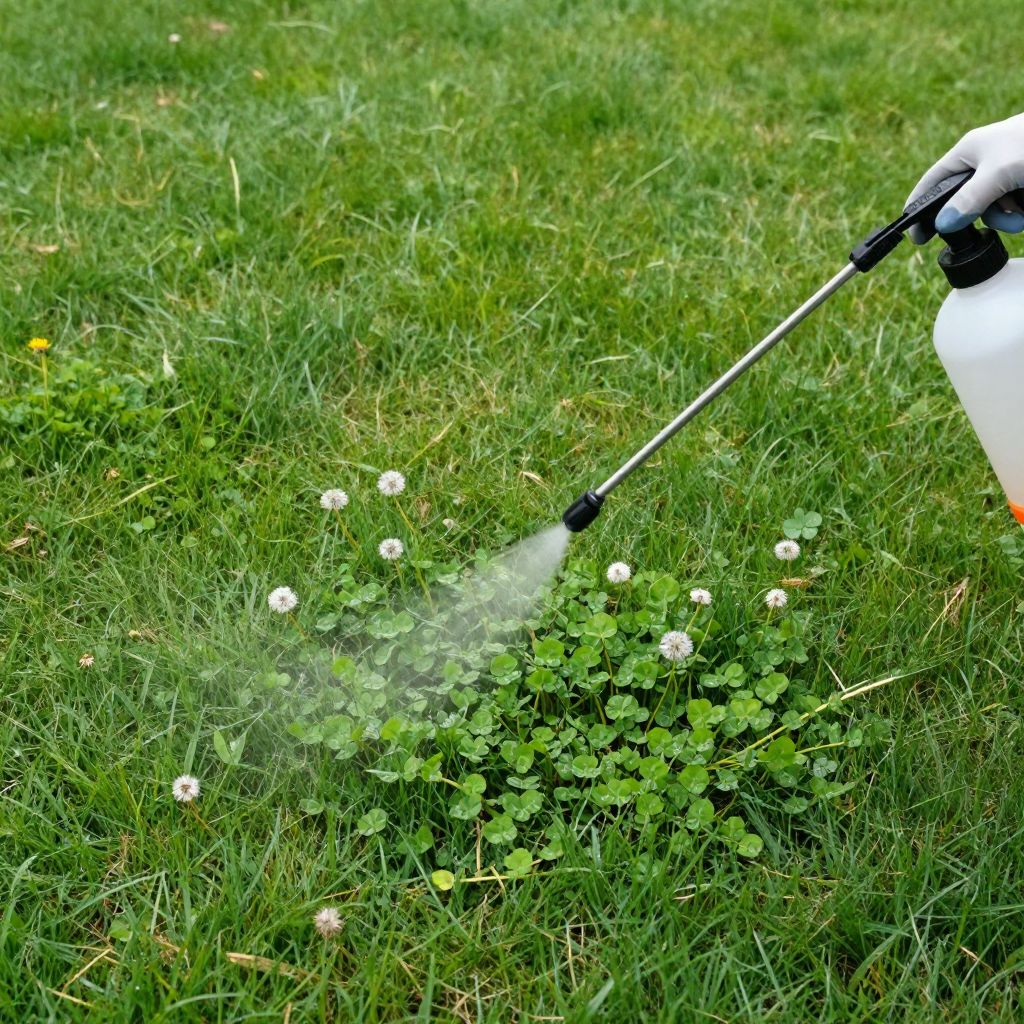
Does 24D kill grass? If you’re trying to control broadleaf weeds without damaging your lawn, the answer depends on what kind of grass you have and how the herbicide is used. 2,4-D is designed to target broadleaf plants, not grasses, but misuse, drift, or treating the wrong turf can still cause injury.
Used correctly, 2,4-D can be a useful lawn weed control tool. The key is knowing which grasses are tolerant, when to spray, and how to avoid stressing your turf so it can recover quickly.
Does 24D kill grass?
2,4-D usually does not kill established grass because it is a selective herbicide that targets broadleaf weeds such as dandelion, clover, and plantain. However, it can injure sensitive turf, newly seeded lawns, warm-season grasses in hot weather, or grass exposed to too much product, spray drift, or repeated applications.
How 2,4-D works in the lawn
2,4-D is a synthetic auxin herbicide, which means it mimics plant hormones and causes broadleaf weeds to grow abnormally until they die. Grasses generally tolerate it better because their growth response is different, but tolerance is not the same as immunity.
Why broadleaf weeds are affected more than grass
- Broadleaf weeds have wider leaves and different growth patterns.
- Most turf grasses can metabolize 2,4-D more effectively than broadleaf plants.
- Young, stressed, or thin turf is more likely to show damage.
What grass injury can look like
If 2,4-D harms your lawn, symptoms may include twisting, curling, yellowing, stunting, or patchy thinning. Severe exposure can cause leaf burn or dieback, but that is more common with over-application, drift, contaminated sprayers, or mixing errors than with normal labeled use.
Which lawns are most at risk?
Not all lawns react the same way. The risk depends on the grass species, its growth stage, and the weather when you spray. Always check the product label for turfgrass tolerance before applying anything to your yard.
Lawns that may be more sensitive
- Newly seeded lawns or recently sodded areas
- Stressed turf from drought, heat, or poor drainage
- Some warm-season grasses during high summer heat
- Lawns with thin coverage or exposed soil
Lawns that are often more tolerant
- Well-established cool-season turf such as Kentucky bluegrass, perennial ryegrass, and tall fescue
- Healthy, actively growing lawns that are not under stress
Even if your grass type is generally tolerant, local climate matters. A lawn that handles 2,4-D well in mild spring weather may react poorly during a heat wave or drought.
When should you avoid using 24D?
Timing matters as much as product choice. Avoid spraying when your lawn is already stressed, because a herbicide application can add extra pressure and slow recovery. If the turf is not actively growing, weed control is usually less effective too.
Skip application when:
- Temperatures are very high or the lawn is drought-stressed
- The grass was newly seeded, plugged, or sodded recently
- Rain or irrigation is expected too soon after spraying
- Wind could carry spray onto ornamentals, gardens, or neighboring lawns
- The lawn is dormant or not actively growing
Important: 2,4-D can damage many garden plants, including flowers, vegetables, shrubs, and trees if spray drifts onto them. Keep it away from beds and use careful application methods.
How to use 2,4-D safely on grass
If you decide to use 2,4-D, the label is your main guide. Product formulations vary, and the correct rate, timing, and precautions depend on the specific product, not just the active ingredient name.
Step-by-step lawn application
- Identify the weeds and confirm the product is labeled for your turfgrass.
- Read the label completely before mixing or spraying.
- Mow a day or two before treatment if needed, but avoid mowing immediately before or after spraying.
- Apply on a calm day when temperatures are moderate.
- Use a sprayer that delivers even coverage without runoff.
- Keep people, pets, and garden plants away until the product has dried, or as directed on the label.
- Wait for the labeled interval before watering or mowing, if any is listed.
Common mistakes to avoid
- Using more than the label rate
- Spraying during wind or high heat
- Applying to drought-stressed grass
- Using the same sprayer for herbicide and garden plants without thorough cleaning
- Assuming all “weed and feed” products are safe for every lawn
What to do if 24D damages your grass
If your lawn shows injury after spraying, act quickly but calmly. Most light turf injury is temporary if the grass roots are healthy and growing conditions improve. The goal is to reduce additional stress and help the lawn recover.
Recovery steps
- Stop all herbicide applications for the moment.
- Water deeply if the soil is dry, but do not keep it soggy.
- Keep mowing at the proper height for your grass type.
- Do not fertilize heavily right away unless the lawn is actively growing and needs it.
- Wait and watch for new green growth before deciding whether to overseed or repair patches.
If the damage is severe, you may need to rake out dead material and reseed or patch the area once conditions are suitable. In many cases, damaged turf will fill back in over time if the roots survived.
How to tell herbicide damage from other lawn problems
Not every yellow or twisted patch is caused by 2,4-D. Heat stress, overwatering, compacted soil, disease, insects, and mowing too low can create similar symptoms. Looking at the pattern helps you narrow it down.
Signs that point to 2,4-D injury
- Twisted or curled blades after spraying
- Damage in the exact spray pattern or downwind area
- Broadleaf weeds affected while grass shows only mild stress
- Symptoms appearing soon after application
Signs that point to other issues
- Uniform yellowing from drought or nutrient stress
- Patchy circles or irregular spots from disease
- Chewed or thinned turf from insects
- Compacted, waterlogged, or bare soil areas
Best growing conditions for a healthy lawn after weed control
A strong lawn is less likely to be harmed by herbicide and better able to outcompete weeds. Healthy turf grows best in the right amount of sun, with good drainage, proper mowing, and soil that is not constantly stressed.
Support lawn health with these basics
- Sunlight: Match the grass type to the light level in your yard.
- Drainage: Fix low spots and compacted soil that stays wet.
- Watering: Water deeply and less often rather than shallowly every day, adjusting for weather and soil type.
- Mowing: Keep grass at the recommended height for your species and never remove too much at once.
- Soil care: Use compost or soil amendments only when they address a real need, such as poor structure or low organic matter.
Good turf care reduces weed pressure naturally, which means you may need fewer herbicide treatments over time.
Alternatives if you want to avoid 2,4-D
If you prefer not to use 2,4-D, you still have options. The best choice depends on how many weeds you have and how much turf you are willing to manage by hand.
Lower-risk approaches
- Hand-pulling small broadleaf weeds after rain or watering
- Spot-treating only the weed patches instead of spraying the whole lawn
- Improving turf density so weeds have less room to establish
- Using mulch in landscape beds to reduce weed pressure outside the lawn
For severe weed infestations, a selective herbicide may still be the most practical option, but spot treatment is often enough for home lawns.
Conclusion: protect the grass while targeting the weeds
So, does 24D kill grass? Usually not when it is used correctly on the right turf, but it can injure lawns that are stressed, young, or sensitive. Read the label, spray only in suitable weather, and keep your lawn healthy so it can tolerate treatment and recover quickly.
If you want to continue improving your yard, consider reading more about lawn mowing height, soil drainage, and broadleaf weed control so you can make the next treatment safer and more effective.