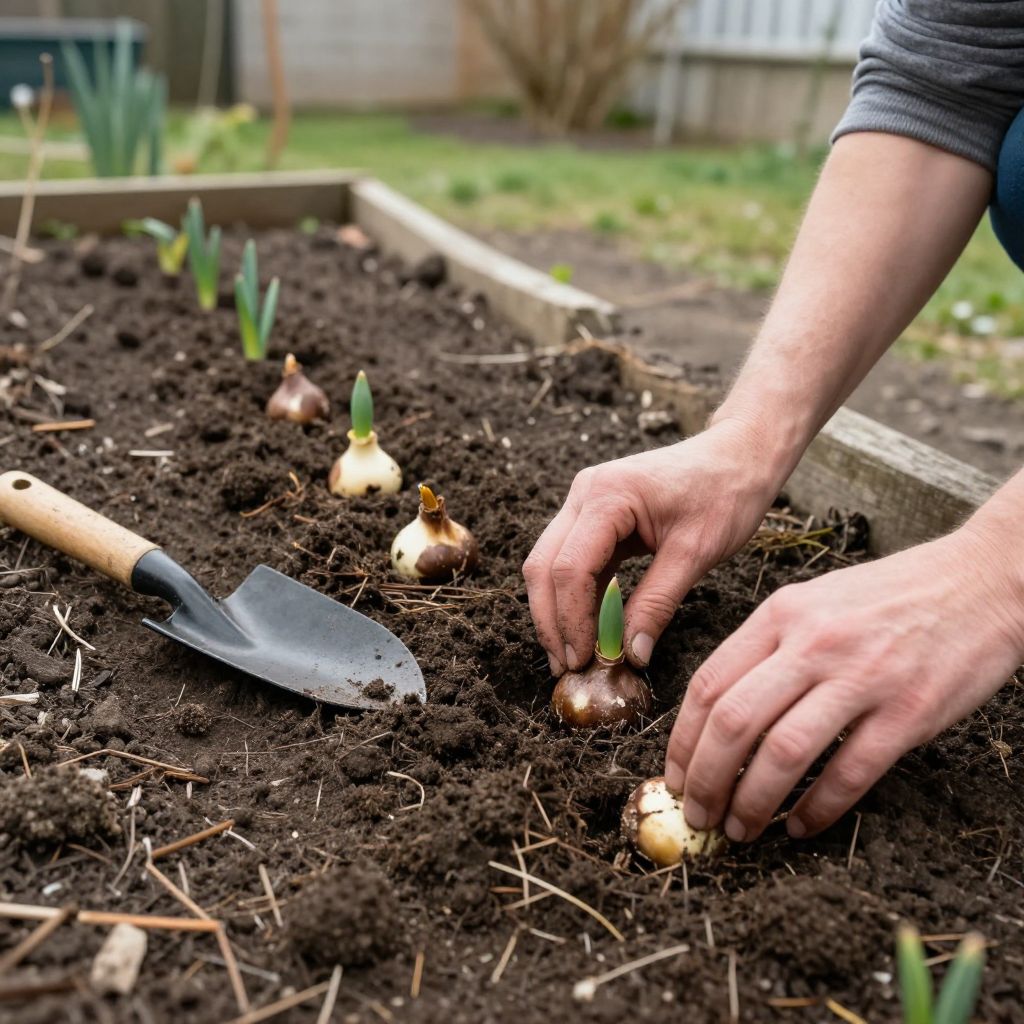
Can you plant bulbs in the spring? Yes, but the answer depends on the type of bulb and what you want from it. Some spring-planted bulbs will bloom later the same season, while others need a cold winter period and may only produce leaves or weak flowers if planted too late.
If you missed fall planting, don’t assume it’s too late to grow bulbs. With the right choices, good drainage, and realistic expectations, spring planting can still give you attractive flowers, healthy foliage, and a strong start for next year.
Can you plant bulbs in the spring?
Yes, you can plant many bulbs in spring, but not all of them will perform the same way. Summer-flowering bulbs such as dahlias, gladiolus, lilies, and begonias are often planted in spring, while spring-flowering bulbs like tulips and daffodils usually need fall planting and a cold period to bloom well.
Which bulbs can be planted in spring?
Spring planting works best for bulbs, tubers, corms, and rhizomes that naturally grow and bloom in warm weather. If you plant spring-flowering bulbs late, they may still grow roots and leaves, but flowering can be reduced or delayed.
Good candidates for spring planting
- Gladiolus (corms)
- Dahlias (tubers)
- Calla lilies (rhizomes/tubers, depending on type)
- Canna lilies (rhizomes)
- Begonias (tubers)
- Oriental or Asiatic lilies (true bulbs)
- Alliums in some climates, if planted early enough and sold as dormant bulbs
Bulbs that are usually better planted in fall
- Tulips
- Daffodils
- Crocus
- Hyacinths
- Grape hyacinths
- Snowdrops
These fall-planted bulbs need winter chill to trigger normal flowering. If you buy them in spring, they may be dried out, already stressed, or simply not ready to bloom until after a proper dormant season.
What happens if you plant spring bulbs too late?
Late planting usually means the bulb has less time to root before hot weather arrives. That can lead to smaller plants, fewer flowers, or blooms that appear later than expected. In very warm climates, some spring-flowering bulbs may never get the chilling they need to flower properly.
Common results of late planting
- Delayed emergence
- Shorter stems
- Fewer blooms
- Leaves without flowers
- Rot if the soil stays wet and cool for too long
That said, a bulb that only makes leaves is not a failure. Healthy foliage still helps the plant store energy for next year, especially if you let it grow and die back naturally.
How to plant bulbs in spring for the best results
Spring-planted bulbs need fast drainage, enough moisture to root in, and the right planting depth. The basic method is simple, but small details make a big difference in whether the bulb survives and flowers well.
- Choose firm, healthy bulbs or tubers. Avoid anything soft, moldy, shriveled, or badly damaged.
- Pick a sunny site. Most flowering bulbs need at least 6 hours of direct sun, though some tolerate partial shade.
- Improve the soil if needed. Work in compost to loosen heavy soil, but do not overdo it in wet ground.
- Plant at the correct depth. A common rule is to plant 2 to 3 times as deep as the bulb is tall, unless the plant label says otherwise.
- Water after planting. Give the soil a thorough soak to settle it around the bulb.
- Mulch lightly. A thin layer can help conserve moisture, but keep mulch from sitting directly on the crown of the plant.
Drainage matters more than almost anything
Bulbs rot easily in soggy soil. If your garden has clay soil or stays wet after rain, plant in raised beds, mounds, or containers with drainage holes.
Adding compost can help improve structure, but if the soil is heavy and sticky, you may need a more permanent fix such as a raised planting area. Bulbs prefer moist soil, not wet feet.
How much sun and water do spring-planted bulbs need?
Most flowering bulbs do best in full sun, though some tolerate morning sun and afternoon shade. Sunlight helps them build energy for flowering and for next year’s growth. Watering needs depend on weather, soil type, and whether the bulb is newly planted or established.
Sunlight guidelines
- Full sun: Best for gladiolus, dahlias, lilies, and many other summer bloomers
- Partial shade: Acceptable for some begonias, callas, and woodland-type bulbs
- Too much shade: Often leads to weak stems and poor flowering
Watering guidelines
- Water at planting time to settle the soil.
- Keep the soil lightly moist while roots form.
- Do not let containers dry out completely in warm weather.
- Reduce watering once foliage yellows and the plant goes dormant.
Avoid frequent shallow watering if you can. Deep, less frequent watering encourages roots to grow downward, while constantly damp topsoil can encourage rot.
Can you plant bulbs in containers in spring?
Yes. Containers are often one of the easiest ways to plant bulbs in spring because you can control the soil mix, drainage, and placement. This is especially helpful if your garden soil is cold, heavy, or poorly drained.
Container tips
- Use a pot with drainage holes.
- Choose a free-draining potting mix, not garden soil.
- Plant bulbs at the proper depth, leaving room for roots.
- Water thoroughly, then let excess water drain away.
- Move pots to brighter light if growth is weak and leggy.
Containers dry out faster than garden beds, so check moisture often in warm or windy weather. If the top inch of mix feels dry, water deeply until it drains from the bottom.
What care do spring-planted bulbs need after they sprout?
Once shoots appear, the main job is to keep the plant growing steadily without stressing it. Strong foliage is what fuels flowers and future bulb growth, so do not cut leaves too early or let the plant dry out completely.
Aftercare checklist
- Keep the soil evenly moist, not soggy.
- Remove weeds that compete for water and nutrients.
- Stake tall stems before they flop.
- Deadhead spent flowers if the plant benefits from it.
- Leave leaves in place until they yellow naturally.
If you grow lilies, gladiolus, or dahlias, tall stems may need support in windy gardens. A simple stake or small ring support can prevent breakage before flowering begins.
Should you fertilize spring-planted bulbs?
Bulbs do not need heavy feeding, but a light, balanced approach can help if your soil is poor. Compost at planting time is often enough in fertile beds. In containers or tired soil, a mild bulb fertilizer or balanced fertilizer can support growth if used according to the label.
Be careful not to overfertilize. Too much nitrogen can produce lush leaves with fewer flowers and may increase soft growth that is more prone to disease.
Common problems when planting bulbs in spring
Rotting bulbs
This is usually caused by wet soil, poor drainage, or planting damaged bulbs. The fix is to improve drainage, plant in raised beds or pots, and discard any mushy bulbs before they spread problems.
Weak or no flowering
Late planting, insufficient sun, or planting a bulb that needs winter chill are common reasons. Make sure you are growing a bulb suited to spring planting, and give it the sun it needs.
Deer, squirrels, and rodents
Some bulbs are dug up by animals, especially in loose soil. Protective wire mesh, bulb baskets, or planting in containers can reduce losses. Deer may also browse emerging shoots, so fencing or repellents may help where pressure is high.
Fungal disease
Good airflow, clean tools, and dry foliage help reduce disease risk. Avoid crowding bulbs too closely, and do not water overhead late in the day if you can help it.
Can you save and replant bulbs from spring?
In many cases, yes. Some spring-planted bulbs are treated as tender perennials or seasonal plants, but others can be lifted and stored after dormancy if your climate is too cold or wet for winter survival. The right method depends on the plant.
General lifting and storage tips
- Wait until foliage yellows naturally.
- Lift carefully with a garden fork or trowel.
- Brush off excess soil and let the bulb dry if needed.
- Store in a cool, dry, airy place.
- Replant at the proper season for that plant type.
Not every bulb stores well, so check the needs of the specific plant. Dahlias, for example, are commonly lifted in colder climates, while many true lilies can stay in the ground if drainage is good.
Best tools for spring bulb planting
You do not need much equipment, but a few basic tools make the job easier and more accurate.
- Hand trowel or bulb planter
- Garden fork for loosening soil
- Watering can or hose with a gentle nozzle
- Gloves
- Compost or well-rotted organic matter
- Labels for marking varieties and planting spots
Labels are especially helpful if you are planting several kinds of bulbs at once. It is easy to forget what went where once the foliage dies back.
Conclusion: what to do next
If you are wondering, can you plant bulbs in the spring, the answer is yes for many summer-blooming bulbs and sometimes for bulbs missed in fall. Choose the right plant, give it sun and drainage, and keep the soil evenly moist while it establishes. If you want to plan your next planting window, it also helps to read more about bulb care and seasonal garden timing.
For related reading, you may also want to explore how to plant bulbs correctly and a fall bulb planting guide.