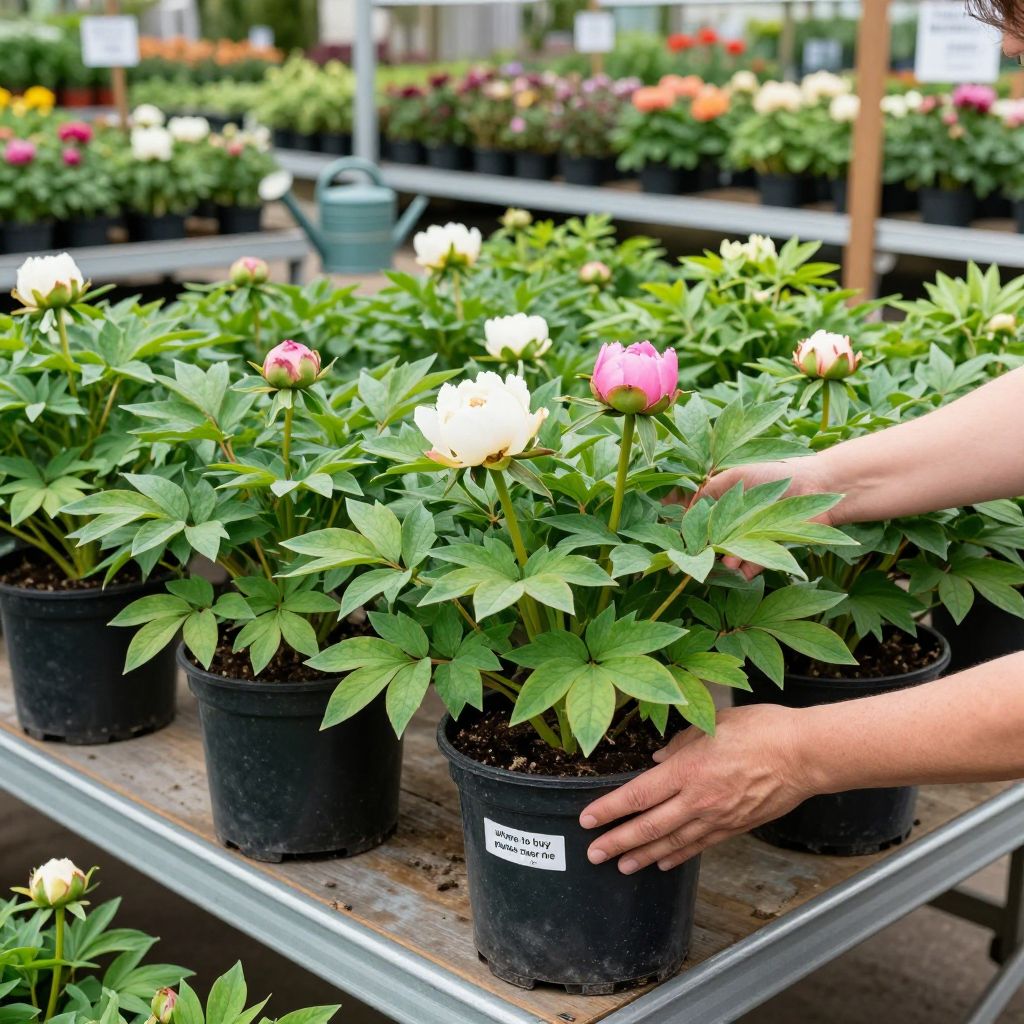
Trying to figure out where to buy peonies near me? The best places are usually local garden centers, reputable nurseries, spring plant sales, and specialty peony growers that ship dormant roots. Which source is best depends on whether you want bare-root peonies, potted plants, or a specific cultivar.
Peonies are long-lived perennials, so buying healthy stock matters more than grabbing the cheapest plant. A good purchase gives you stronger roots, better bloom performance, and fewer problems later in the garden.
Where to buy peonies near me?
Start with local nurseries and garden centers for the easiest in-person selection, then compare specialty peony growers, farm stands, and seasonal plant sales for broader variety. Buy from sellers that clearly label the type, size, and root condition. Healthy peonies should have firm roots, visible growth eyes, and no signs of rot or severe drying.
Best places to find peonies locally
Local garden centers and independent nurseries
This is often the most practical place to buy peonies near you. You can inspect the plant before buying, ask about local growing success, and choose varieties suited to your climate.
Look for:
- Bare-root peonies in fall or early spring
- Potted peonies during the active growing season
- Staff who can tell you whether the plant is herbaceous, intersectional, or tree peony
Tip: Independent nurseries often carry fewer varieties than large chains, but the plants are usually better cared for and better matched to local conditions.
Farmers markets, plant fairs, and garden club sales
These can be excellent sources for divisions from local growers. You may find established plants at fair prices, especially from gardeners who know what performs well in your area.
Ask how the plant was grown, how old the division is, and whether it has bloomed before. If possible, buy from sellers who can name the cultivar or at least the flower color and growth habit.
Specialty peony growers
Specialty growers usually offer the widest selection, including classic herbaceous peonies and more unusual cultivars. Many ship bare-root plants, which is a normal and often preferred way to buy peonies.
Choose a grower with clear plant descriptions, shipping details, and photos of mature blooms. Reputable sellers explain root size, number of eyes, and whether the plant is suitable for your climate.
Big-box stores
These stores can be convenient, especially if you want a common variety quickly. However, quality can vary widely, so inspect the plant carefully.
Avoid plants that look wilted, moldy, or tightly root-bound in a pot. If the label is vague and the roots look stressed, it is usually worth waiting for a better plant elsewhere.
How to choose a healthy peony plant
What to look for in bare-root peonies
Bare-root peonies are often sold when dormant, especially in fall. This is normal, but the roots should still look healthy and substantial.
- Firm roots: They should feel solid, not mushy or hollow.
- Visible eyes: These are the growth buds on the crown.
- No rot: Avoid blackened, slimy, or foul-smelling roots.
- Moderate moisture: Roots should not be bone-dry or waterlogged.
Choose a plant with a strong crown and several eyes if you want faster establishment. Very small divisions can still grow, but they may take longer to bloom.
What to look for in potted peonies
Potted peonies should have healthy green foliage or firm dormant stems, depending on the season. Check the container for drainage holes and make sure the plant is not sitting in soggy soil.
Watch for these warning signs:
- Yellowing leaves with no obvious seasonal reason
- White mold on the soil surface
- Roots circling tightly around the pot
- Stems that break easily or look soft at the base
When is the best time to buy peonies?
The best buying time depends on the form of the plant and your local climate. Bare-root peonies are commonly sold in fall and early spring, while potted peonies may be available during the growing season. In many regions, fall planting gives roots time to settle before active growth begins.
If you are shopping locally, ask whether the plant is dormant or actively growing. That helps you decide whether to plant immediately, pot temporarily, or wait for a better window.
How to plant peonies after you buy them
Choose the right site
Peonies grow best in full sun in most gardens, though light afternoon shade can help in hotter climates. They need well-drained soil and enough space for air circulation.
- Full sun is ideal in most areas
- Soil should drain well and not stay soggy
- Airflow helps reduce fungal problems
- Allow room for mature clumps to expand
Prepare the soil
Before planting, loosen the soil and mix in compost if your soil is poor or compacted. Peonies prefer fertile soil, but overly rich or wet soil can cause weak growth and poor flowering.
If your soil is heavy clay, improve drainage by working in organic matter and planting slightly higher than the surrounding grade. In very sandy soil, compost helps hold moisture and nutrients.
Plant bare-root peonies correctly
- Dig a wide planting hole and loosen the surrounding soil.
- Set the crown so the eyes are not planted too deeply.
- Backfill gently and water to settle the soil.
- Mulch lightly if needed, but keep mulch away from the crown.
Important: Planting peonies too deep is one of the most common reasons they fail to bloom. The eyes should be close to the soil surface, not buried deeply under rich soil or thick mulch.
Watering after planting
Water newly planted peonies thoroughly, then keep the soil evenly moist while they establish. Avoid constant wetness, especially in cool weather, because peonies dislike soggy roots.
Once established, peonies usually need less frequent watering than many annuals. Water more during prolonged dry spells, especially in sandy soil or during the first growing season.
Common peony growing problems and fixes
Why peonies do not bloom
If your peony grows leaves but no flowers, the most common causes are planting too deeply, too much shade, or transplant shock. Young divisions may also need time before they bloom well.
Fixes include moving the plant to a sunnier site if needed, correcting planting depth, and being patient with newly planted roots. Avoid overfertilizing, which can encourage leafy growth at the expense of flowers.
Botrytis and other fungal issues
Peonies can develop fungal diseases in damp, crowded, or poorly ventilated spaces. Botrytis is especially common in cool, wet weather and may cause blackened stems or blighted buds.
To reduce problems:
- Space plants for airflow
- Remove dead foliage in fall
- Water at the base, not overhead
- Clean up infected plant debris promptly
Ants, beetles, and other pests
Ants on peony buds are usually not a serious problem. They are often attracted to the sweet bud secretions and do not damage the plant.
Japanese beetles or other chewing insects may occasionally feed on foliage or flowers. Hand-picking, early monitoring, and keeping plants healthy are usually the most practical first steps.
How to care for peonies year after year
Once established, peonies are relatively low-maintenance. Your main jobs are watering during dry spells, supporting tall stems if needed, and cleaning up foliage at the end of the season.
- Remove spent flowers if you want a tidier plant
- Cut back herbaceous peonies after frost has blackened the foliage
- Leave tree peony stems intact unless pruning is needed for shape or damage
- Divide only when necessary, since peonies dislike frequent disturbance
Division is best reserved for overcrowded clumps or plants that are declining in bloom. If you do divide, make sure each section has healthy roots and several eyes.
Buying peonies for landscaping
Peonies work well in borders, cottage gardens, foundation plantings, and mixed perennial beds. Their long lifespan makes them a smart choice when you want a dependable flowering plant that returns each year.
When planning a bed, think about bloom time, mature height, and support needs. Some peonies have heavy flowers that may need rings or discreet staking after rain.
For the best effect, place peonies where they can be seen from a path, patio, or window. Their bloom season is relatively short, so location matters.
Quick checklist before you buy
- Confirm whether you are buying bare-root or potted plants
- Check that the roots or crown look firm and healthy
- Ask about bloom color, mature size, and growth habit
- Make sure your site has sun and drainage
- Plan to plant at the correct depth
Conclusion
If you are wondering where to buy peonies near me, start with local nurseries, then compare specialty growers and seasonal plant sales for the healthiest selection. Choose a plant with strong roots, plant it in well-drained soil, and give it sun and patience. If you want more garden planning ideas, you may also enjoy reading about how to choose the best perennial plants for your border and simple soil improvement tips for flower beds.