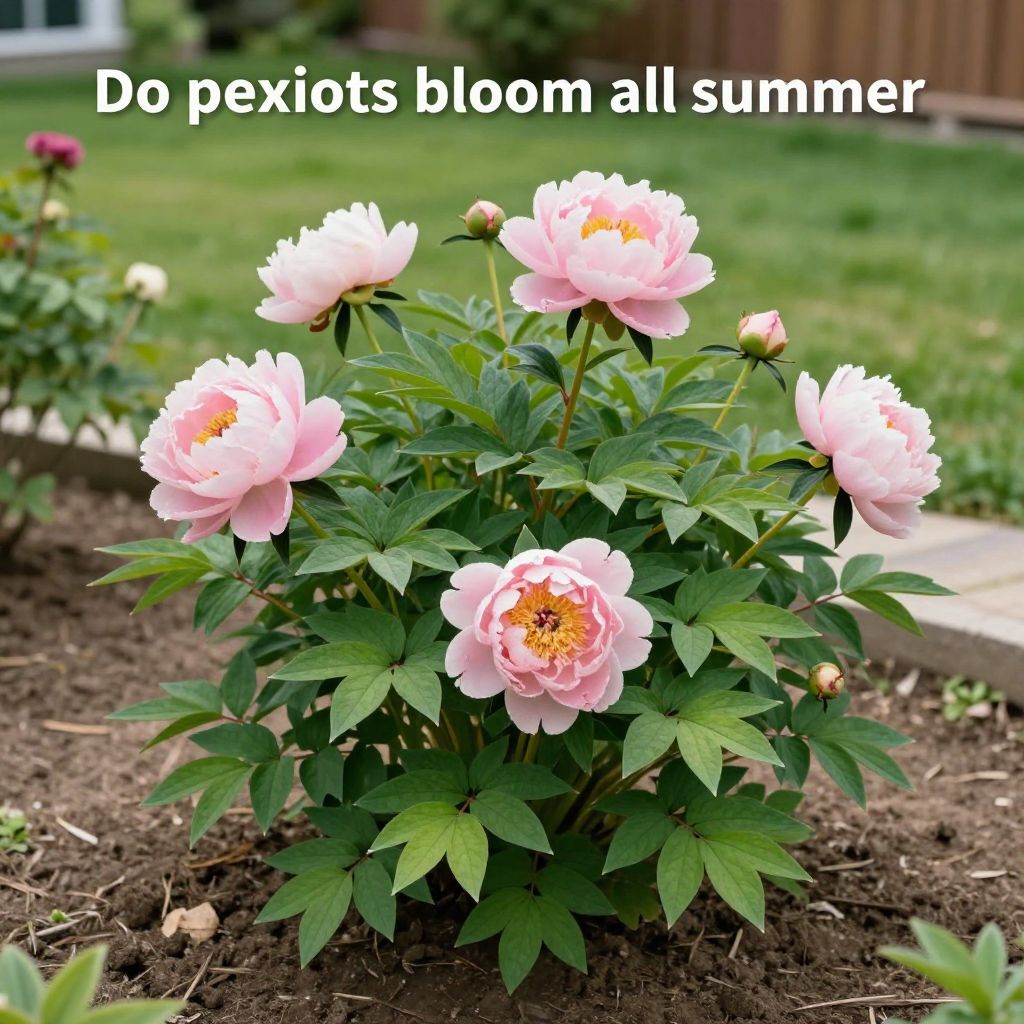
Wondering, “Do peonies bloom all summer?” The short answer is no: most peonies put on a spectacular but relatively brief show, usually lasting about one to two weeks per plant. With a mix of early, midseason, and late varieties, you can stretch the overall peony season, but a single plant won’t bloom continuously through summer.
That said, good planting, proper care, and smart variety selection can give you the longest possible display. If your peonies finish too quickly or fail to bloom well, the issue is usually light, planting depth, age, or weather rather than a lack of summer-long potential.
Do peonies bloom all summer?
No. Herbaceous peonies (Paeonia lactiflora and hybrids) are spring to early-summer bloomers, not all-summer bloomers. Each plant typically flowers for a short period, but different cultivars bloom at different times, so you can extend the season across several weeks by planting a mix of early, midseason, and late varieties.
Why peonies don’t bloom all summer
Peonies are perennial plants that store energy in thick roots and buds. They use that energy for a concentrated flowering period, then spend the rest of the season rebuilding strength for next year. That growth habit is normal and helps explain why they are so reliable, but not continuous bloomers.
What affects bloom length
- Weather: Hot, windy, or rainy conditions can shorten flower life.
- Plant age: Young plants may bloom lightly for a year or two before settling in.
- Variety: Some cultivars bloom earlier or later than others.
- Sun exposure: Too much shade reduces flowering.
- Planting depth: Buds planted too deep often cause poor bloom.
How to get the longest peony bloom season
If you want peonies in bloom for as long as possible, the best strategy is to grow several cultivars with staggered bloom times. You still won’t get nonstop flowers from one plant, but you can enjoy peonies for a much longer stretch in late spring and early summer.
Choose a mix of bloom times
When shopping, look for labels that describe plants as early, midseason, or late blooming. In many climates, that can spread the display over roughly four to six weeks, depending on spring temperatures.
- Early bloomers: Open first in the season.
- Midseason varieties: Fill the main bloom window.
- Late bloomers: Extend the show after the earliest plants fade.
Plant in the right spot
Peonies bloom best in full sun, though they can tolerate light afternoon shade in very hot climates. Aim for at least 6 hours of direct sun daily, and choose a site with good air circulation to help flowers and foliage dry quickly after rain.
Give them well-drained soil
Peonies dislike soggy ground. Heavy, wet soil can lead to weak growth, root rot, and fewer flowers. If your soil stays wet after rain, improve drainage by planting in a raised bed, amending with compost, or choosing a better-drained location.
Best planting and care tips for strong blooms
Healthy peonies bloom more reliably and for longer within their natural season. The goal is not to force summer-long flowering, but to help the plant produce a full, healthy flush each year.
Planting depth matters a lot
One of the most common reasons peonies fail to bloom well is planting too deep. The “eyes,” or buds on the root crown, should generally sit just a couple of inches below the soil surface in most climates. If they are buried too deeply, the plant may grow leaves but produce few or no flowers.
Water wisely
Newly planted peonies need regular moisture while they establish, but mature plants prefer deep, occasional watering rather than constant wetness. Water at the base of the plant during dry spells, especially in spring and early summer when buds are forming.
Avoid overhead watering if possible. Wet foliage can encourage fungal disease, and soggy blooms fade faster.
Feed lightly and at the right time
Peonies usually do best with moderate fertility. Too much nitrogen can produce lush leaves and fewer flowers. A light top-dressing of compost in spring is often enough for established plants, especially in reasonably fertile soil.
- Use compost to improve soil structure.
- Avoid heavy feeding that pushes excessive leafy growth.
- Do not pile mulch directly against the crown.
Support large flowers
Many peony blooms are heavy, especially after rain. A peony ring or discreet plant support can keep stems upright, prevent flopping, and help flowers stay cleaner and fresher longer.
How to care for peonies after blooming
After the flowers fade, the plant is still working. The foliage gathers energy for next year’s bloom, so post-bloom care matters just as much as spring care.
Deadhead spent flowers
Remove faded blooms so the plant does not waste energy making seed. Cut just below the spent flower head, but keep the leafy stems intact.
Leave the foliage in place
Do not cut peonies to the ground right after flowering. The leaves should stay until fall, because they are feeding the roots and helping the plant store energy for the next season.
Cut back only at the end of the season
Once frost has blackened the foliage in autumn, cut herbaceous peonies down to ground level and remove the debris. This helps reduce disease carryover and keeps the bed tidy.
Common reasons peonies bloom poorly
If your peonies are healthy but not flowering well, the problem is often a fixable growing issue. Here are the most common causes.
Too much shade
Peonies in shade may grow leaves but produce few flowers. If nearby trees or shrubs have grown larger over time, the peony may need to be moved to a sunnier site.
Planting too deep
This is one of the biggest bloom-killers. If the crown is buried too far below the surface, the plant may struggle to flower. In some cases, you may need to lift and replant it at the proper depth.
Recent transplanting
Peonies dislike disturbance and may take a season or two to settle after being moved. If you recently transplanted one, give it time and avoid overfeeding it in hopes of forcing blooms.
Late frost or bad spring weather
A late cold snap can damage buds, while prolonged rain or heat can shorten bloom time. You can’t control the weather, but you can protect plants with a sheltered site and good spacing for airflow.
Too much nitrogen
Overfertilizing can produce large, leafy plants with few blooms. If your peony has lots of foliage but little flowering, reduce feeding and focus on soil balance instead.
Pests and diseases that can shorten bloom time
Healthy peonies usually have few serious pest problems, but a few issues can affect flowers or weaken the plant enough to reduce blooming.
Botrytis blight
This fungal disease is more common in cool, wet weather. It can cause buds to brown, rot, or fail to open. Improve airflow, remove infected plant parts promptly, and avoid crowding plants.
Ants on peony buds
Ants are often found on peony buds, but they are usually not harming the plant. They are attracted to the sweet bud secretions and do not need to be removed unless they are a nuisance on cut flowers.
Other stress factors
- Poor drainage
- Compacted soil
- Root disturbance
- Competition from nearby shrubs or tree roots
Can you make peonies bloom later in summer?
You cannot make a single peony bloom all summer, but you can extend the overall peony season in a few practical ways. The key is planning, not forcing.
Try these strategies
- Plant early, midseason, and late varieties together.
- Choose a site with morning sun and good drainage.
- Keep the soil evenly moist in spring, but not soggy.
- Deadhead spent flowers to keep the plant focused on root growth.
- Protect buds from mechanical damage and overcrowding.
For the longest display, combine peonies with other perennials that bloom later in summer, such as daylilies, coneflowers, or phlox. That way, your garden keeps color going after the peony season ends.
What to expect from different peony types
Not all peonies behave exactly the same, but most are still seasonal bloomers rather than repeat bloomers. Herbaceous peonies bloom in spring or early summer, tree peonies bloom earlier in many climates, and intersectional peonies often bridge the gap with a long but still finite bloom period.
General bloom pattern
- Herbaceous peonies: Main spring bloom, then foliage growth for the rest of the season.
- Tree peonies: Often bloom slightly earlier than herbaceous types.
- Intersectional peonies: Usually bloom later than many herbaceous types and may have a somewhat longer display.
Even so, none of these types are true all-summer bloomers. Their value is in their beauty, longevity, and dependable return year after year.
Conclusion: the best way to enjoy peonies longer
So, do peonies bloom all summer? No, but with the right varieties and care, you can enjoy a longer peony season and better flowers each year. Start by checking sun, drainage, and planting depth, then add early, midseason, and late cultivars if you want a stretched bloom window.
If you want to plan a fuller flower calendar, you may also enjoy reading about how to grow peonies successfully and perennials that bloom later in summer for a garden that keeps the color going after peony season ends.