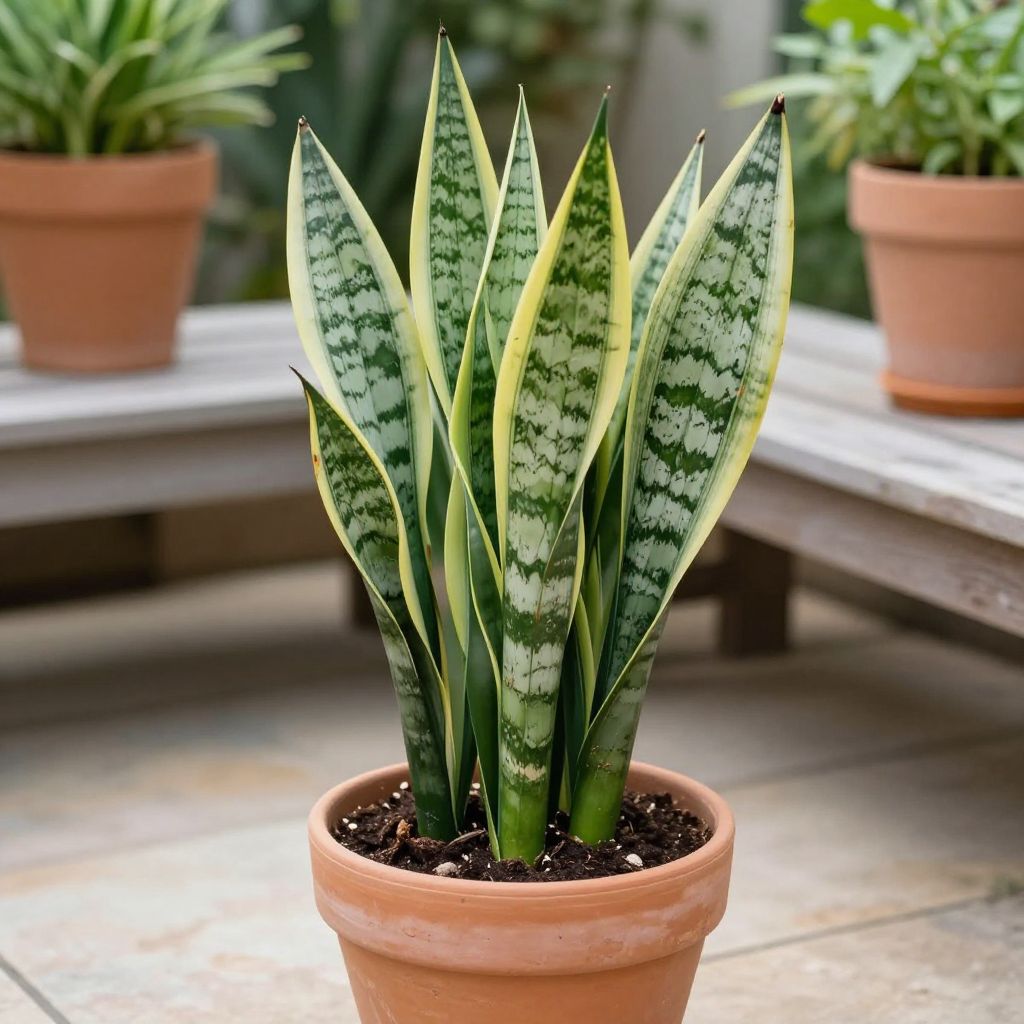
What are snake plants good for? If you’ve seen Sansevieria (now often classified as Dracaena trifasciata) in homes, offices, and patios, it’s because this plant is one of the toughest ornamentals you can grow. It’s valued for its bold upright leaves, low-maintenance nature, and ability to tolerate neglect better than most houseplants.
For gardeners, snake plants are especially useful in low-light indoor spaces, drought-prone containers, and simple modern landscapes in warm climates. They are not “set it and forget it” plants, but they are forgiving if you give them sharp drainage, light watering, and protection from cold.
What are snake plants good for?
Snake plants are good for adding structure, greenery, and easy-care reliability to indoor and outdoor plantings. They thrive in bright to low light, need infrequent watering, and handle dry air well. Their main strengths are durability, architectural foliage, and adaptability to containers, making them ideal for beginners and busy gardeners.
How to identify a snake plant
Snake plants are easy to recognize once you know the key features. They grow as stiff, upright leaves from a basal clump or rhizome, and the leaves are often sword-shaped with green banding, margins, or yellow edging depending on the cultivar.
Common identifying traits
- Leaves: thick, fleshy, upright, and pointed
- Growth habit: clumping from underground rhizomes
- Texture: leathery rather than soft or delicate
- Pattern: mottled green striping or variegation is common
Many gardeners still call them snake plants, mother-in-law’s tongue, or Sansevieria, though the current botanical name is often Dracaena trifasciata. If you are buying one, focus less on the name on the tag and more on the plant’s condition: firm leaves, no mushy base, and no pest damage.
Best uses in the garden and home
Indoor use
Snake plants are excellent for indoor spots where other plants struggle. They work well in bedrooms, hallways, offices, and rooms with bright indirect light, though they can also tolerate lower light better than many houseplants.
They are especially useful if you want a plant that:
- needs little day-to-day attention
- keeps a neat, upright shape
- handles dry indoor air
- fits modern, minimalist, or tropical-style decor
Outdoor use
In warm climates, snake plants can be used in sheltered borders, containers, courtyards, and dry shade plantings. They are best where winters are mild and the soil drains quickly. In colder regions, treat them as houseplants or move containers indoors before temperatures drop.
Outdoors, they pair well with other drought-tolerant plants, but they should not be planted in soggy ground or exposed to frost. Cold and wet are the two biggest threats to snake plants in the landscape.
Growing conditions snake plants prefer
Snake plants are forgiving, but they still do best when you match their basic needs. Think bright light, fast drainage, and a pot or bed that dries between waterings.
Light
They grow best in bright, indirect light, but many varieties will tolerate medium or low light. In deeper shade, growth slows and leaves may stretch or lean toward the light source.
If you are growing one indoors, place it near an east- or west-facing window, or a few feet back from a bright south-facing window. Outdoors, give it morning sun or filtered light if your climate is hot.
Soil
Use a loose, fast-draining potting mix. A standard houseplant mix can work if you improve drainage with perlite, pumice, or coarse sand. The goal is to avoid compaction and standing moisture around the roots.
For containers, choose a mix that feels airy rather than heavy. For in-ground planting in warm areas, amend only lightly if the native soil is already free-draining; if it holds water, grow snake plants in raised beds or pots instead.
Drainage
Drainage matters more than fertilizer or frequent watering. Always use a pot with a drainage hole, and never let the plant sit in a saucer of water for long periods.
If you are planting outdoors, avoid low spots where rain collects. Snake plants do best on slopes, raised mounds, or in beds that dry quickly after watering or rain.
How to plant a snake plant
Planting a snake plant is straightforward, but a few careful steps will help prevent rot and transplant shock. Whether you are repotting an indoor plant or setting one in the ground, keep the crown slightly above the soil line and avoid burying the leaves.
- Choose a pot with drainage holes or a well-drained outdoor site.
- Fill with a loose, gritty potting mix.
- Set the plant so the base sits at or just above the soil surface.
- Backfill gently and firm lightly.
- Water once to settle the mix, then let excess drain fully.
If you are dividing a crowded plant, separate rhizomes with a clean knife or pruners. Let cut surfaces dry briefly before replanting if they are very fresh, especially in humid conditions.
Watering: the most important care skill
Snake plants are drought-tolerant, but they are not immune to overwatering. Most problems come from watering too often, especially in cool weather or low light.
How to water correctly
Water only when the potting mix has dried substantially. In a pot, check the top few inches with your finger; if it still feels cool or damp, wait. In the ground, water only after the soil has dried and the plant shows no signs of excess moisture stress.
When you do water, soak thoroughly and let the excess drain away. Then wait again. It is safer to underwater a snake plant than to keep the roots constantly moist.
Signs of overwatering
- soft, mushy leaves
- yellowing near the base
- collapsed stems or a rotten smell
- blackened roots or rhizomes
Signs of underwatering
- wrinkled or slightly curled leaves
- slower growth
- dry, thin-looking foliage
Underwatering is usually easier to fix. Overwatering can quickly lead to root rot, especially if the soil is heavy or the plant is sitting in a cool room.
Pruning, cleaning, and maintenance
Snake plants need very little pruning, but occasional cleanup keeps them attractive and healthy. Remove damaged leaves at the base with clean scissors or pruners. If a leaf is badly bent, rotten, or sunburned, cutting it off is often the best choice.
Routine maintenance tasks
- Wipe dust from leaves with a damp cloth
- Rotate the pot every few weeks for even growth
- Remove dead or damaged leaves promptly
- Check the base for soft spots or pests
Do not trim the tips unless they are brown and dry. Snipping healthy leaf tips can leave a permanent cut edge, which is usually more noticeable than the original damage.
Fertilizer and feeding
Snake plants do not need heavy feeding. A light application of a balanced houseplant fertilizer during active growth can support steady foliage production, but too much fertilizer can cause weak, floppy growth or salt buildup in the soil.
If you choose to feed, do so sparingly and only when the plant is actively growing. Skip fertilizer for stressed, newly repotted, or dormant plants. For outdoor plants, use even less often if the soil is already rich.
Propagation: making new plants
One reason snake plants are so useful is that they are easy to propagate. You can multiply a healthy plant by division or, for some types, by leaf cuttings. Division is the most reliable method because it preserves the plant’s original form.
Division
Divide a mature clump when it becomes crowded or when you want a larger new plant. Separate the rhizomes so each section has roots and at least one healthy shoot. Replant in fresh, well-drained mix.
Leaf cuttings
Leaf cuttings can work, but they may not keep variegation true to type in some cultivars. Cut a healthy leaf into sections, let the cut ends dry briefly, then place them in a gritty mix. Keep them lightly moist, not wet, until roots and new growth form.
If you want the quickest, most predictable result, choose division over leaf cuttings.
Common pests and diseases
Snake plants are generally pest-resistant, but they can still suffer from a few common problems. Most issues are linked to stress, poor drainage, or crowded indoor conditions.
Pests to watch for
- Mealybugs: white cottony clusters in leaf joints
- Spider mites: fine webbing and stippled leaves in dry air
- Scale: small brown bumps on leaves or stems
Wipe pests off early with a damp cloth or cotton swab dipped in rubbing alcohol, then isolate the plant and inspect nearby plants. Repeat treatment as needed.
Diseases and rot
Root rot and rhizome rot are the most serious diseases. They usually happen when the plant stays wet too long or the potting mix is too dense. If you suspect rot, remove the plant from its pot, cut away mushy tissue, and repot only healthy sections in dry, airy mix.
Seasonal care tips
Snake plants grow more actively in warm, bright conditions and slow down in cooler months. Adjust care to the season rather than watering on a fixed calendar.
- Spring and summer: growth is faster; water a bit more often if the mix dries quickly
- Fall and winter: growth slows; reduce watering and keep away from cold windows or drafts
- Outdoor plants: protect from frost and prolonged rain
If you move a snake plant outdoors for summer, acclimate it gradually to stronger light. Sudden full sun can scorch leaves that were grown indoors.
Common mistakes to avoid
Most snake plant failures come from a few predictable mistakes. Avoiding these will keep the plant healthy for years.
- Using a pot without drainage holes
- Watering on a strict schedule instead of checking soil moisture
- Planting in heavy, water-retentive soil
- Exposing the plant to frost or cold rain
- Giving too much fertilizer
- Leaving a sick plant crowded in wet soil too long
Are snake plants right for your space?
Snake plants are a smart choice if you want a durable, architectural plant that does not demand constant attention. They are especially useful for beginners, frequent travelers, and gardeners working with dry indoor spaces or warm, sheltered outdoor areas.
They are less suitable if you tend to overwater, if your garden soil stays wet, or if you want a plant that grows quickly and fills space fast. In the right conditions, though, they are one of the easiest foliage plants to keep looking tidy and attractive.
If you’re comparing low-maintenance houseplants, you may also want to read about low-light houseplants for indoor spaces and how to repot houseplants without damaging the roots.