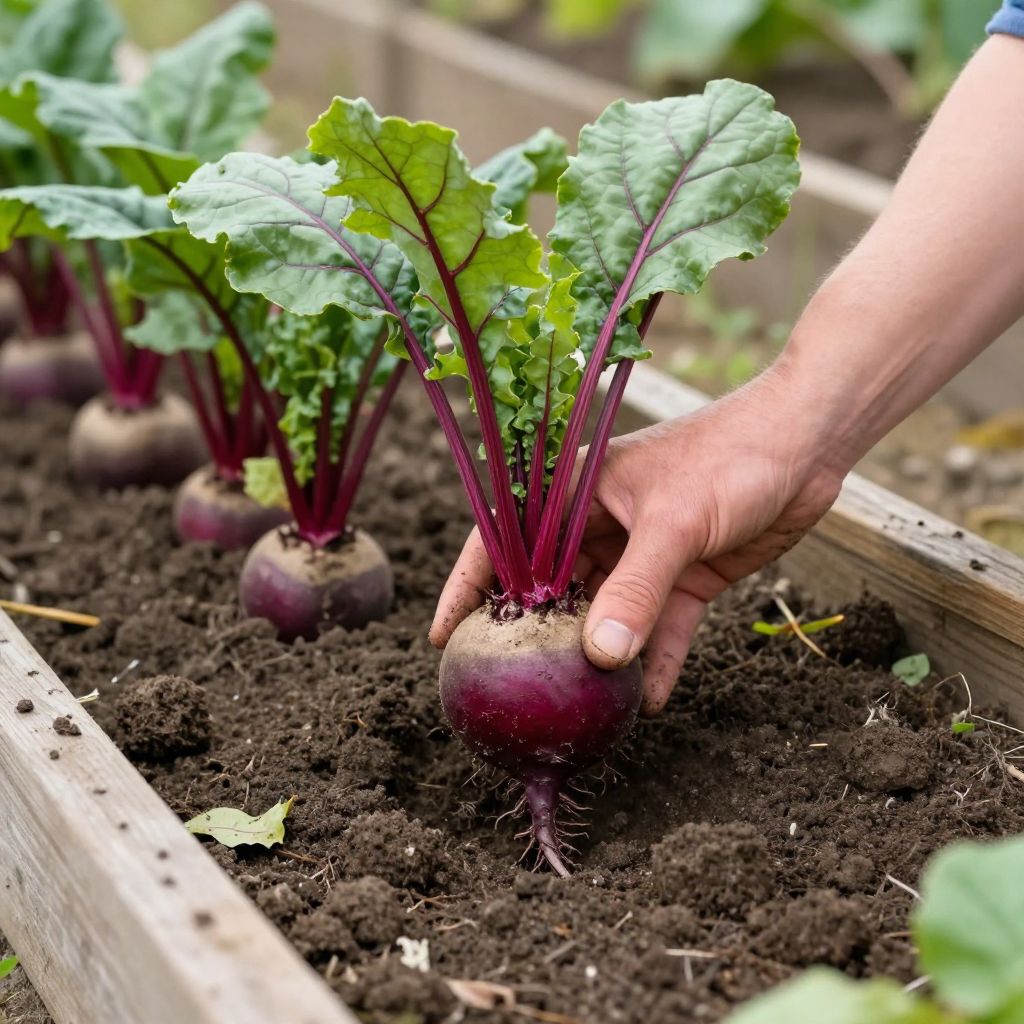
Wondering when are beets ready to harvest? The short answer is that most beets are ready when the roots are about 1 to 3 inches across, depending on the variety and your taste. You can also harvest earlier for tender baby beets or wait a little longer for fuller roots, as long as they stay firm and sweet.
The best way to know is to check both the root size and the tops. Beets grow quickly in cool weather, but timing varies with soil, temperature, and spacing, so a quick look at the shoulder of the root tells you much more than the calendar does.
When are beets ready to harvest?
Beets are usually ready to harvest when the roots are roughly 1 to 3 inches in diameter, with many gardeners preferring them around 1.5 to 2.5 inches for the best texture and flavor. Baby beets can be pulled earlier, while oversized roots may become woody, tough, or less sweet.
How to tell if beets are ready
Don’t rely on leaves alone. Beet greens can look lush even when the roots are still small, so use the foliage as a clue, not the final test.
Check the shoulder of the root
The easiest sign is the “shoulder” of the beet pushing above the soil line. If the top of the root is visible and looks about the size you want, it is probably ready.
- 1 inch or smaller: tender baby beets
- 1.5 to 2.5 inches: ideal size for many home gardeners
- Over 3 inches: often still usable, but texture may decline
Look at the foliage, but don’t depend on it
Healthy beet tops often mean the plant is still actively growing. If the leaves are large and vigorous, the root may still be sizing up. If the tops begin to yellow or decline, check the roots promptly before they become overmature.
Know your variety
Some beet varieties are bred for small, round roots, while others can grow larger without becoming as coarse. Read the seed packet if you still have it, but even then, use root size and texture as your main guide.
How long do beets take to mature?
Most beets mature in about 50 to 70 days, though some can be ready sooner and others later. Cool weather usually produces sweeter roots, while heat can slow growth or make beets more prone to becoming tough.
Use the days-to-maturity on the seed packet as a rough estimate, not a strict deadline. Soil temperature, spacing, watering, and seasonal weather all affect how quickly roots size up.
Seasonal timing matters
Beets often grow best in cool conditions, especially in spring and fall. In hot weather, they may stall, get fibrous, or bolt if stressed, which can change when they are ready to harvest.
- Cool spring weather: steady growth and sweeter roots
- Hot spells: slower growth and more stress
- Fall crops: often excellent flavor if harvested before hard freezes
Step-by-step: how to harvest beets
Harvesting beets is simple, but a gentle approach helps keep the roots intact and the greens usable.
- Water the bed lightly the day before, if the soil is dry.
- Loosen the soil around the root with a hand fork or trowel.
- Grasp the beet by the base of the greens, not the leaves alone.
- Pull steadily while wiggling the root free.
- Brush off excess soil and trim the tops if you are not storing them.
If the soil is compacted or dry, pulling by hand alone can snap the tops off. Loosening the soil first makes a big difference, especially in clay or heavy garden beds.
Harvesting baby beets
For baby beets, you can thin and harvest some plants early, leaving the rest to size up. This gives you tender roots and helps the remaining beets develop more room.
Harvesting mature beets
For full-sized roots, harvest before they become too large. Bigger is not always better with beets; many gardeners find the flavor and texture best at moderate size.
What happens if you leave beets in the ground too long?
Overmature beets can become woody, pithy, or less sweet. They may also develop a stronger earthy flavor and tougher skin, especially if growth has been uneven because of heat or drought.
If you are unsure, pull one test beet rather than waiting for all of them. A single check can tell you whether the rest should come out now or can stay a little longer.
Common mistakes when deciding harvest time
Many beet harvest problems come from guessing too early or too late. A few simple checks can save the crop.
- Waiting only by the calendar: weather and soil can speed up or slow down growth.
- Ignoring root size: the shoulder of the beet is the best clue.
- Letting roots get oversized: large beets often lose tenderness.
- Pulling in dry, hard soil: this can damage roots or break tops off.
- Harvesting all at once without checking: some plants may be ready before others.
How soil, watering, and spacing affect harvest timing
Beets grow best in loose, well-drained soil that lets roots expand evenly. If the soil is rocky, compacted, or shallow, roots may stay small, fork, or deform, which can make harvest timing harder to judge.
Soil and compost
A fertile bed with plenty of organic matter helps beets size up consistently. Compost improves structure and moisture retention, but avoid very fresh manure or overly rich nitrogen-heavy feeding, which can push leaf growth more than root growth.
Watering consistency
Uneven moisture can slow root development and affect flavor. Beets do better with steady moisture and good drainage than with cycles of drought and flooding.
If the soil dries out for long periods, roots may become tough or slow to size. If it stays soggy, roots can struggle and may rot or split.
Spacing
Beets need room to size up, but they also tolerate close planting when harvested as baby roots. If seedlings are crowded, thin them early so the roots have enough space to develop.
- Thin seedlings when they are a few inches tall.
- Leave more space if you want larger roots.
- Harvest some as thinnings for small, tender beets.
Can you eat beet greens before the roots are ready?
Yes. Beet greens are edible and can be harvested while the roots continue growing. Just avoid stripping too many leaves from a small plant, since the foliage helps feed the root.
Take a few outer leaves at a time and leave the center of the plant intact. This lets you enjoy the greens without slowing root development too much.
How to store beets after harvest
After harvesting, remove the greens if you plan to store the roots, because the tops draw moisture from the beet. Leave about 1 to 2 inches of stem attached rather than cutting into the root itself.
- Short-term storage: refrigerate unwashed roots in a breathable bag or container
- Longer storage: keep in a cool, humid place if you have one
- With greens attached: use soon, because the roots dry out faster
Wash beets only when you are ready to use them. Excess moisture during storage can shorten shelf life.
Troubleshooting: why your beets may not be ready yet
If your beets seem slow, the issue is often growing conditions rather than a problem with the plant itself. A few common causes can delay harvest.
Small roots, big tops
This usually means the plants are getting too much nitrogen, too little space, or inconsistent moisture. The roots may still be developing, but slower than expected.
Forked or misshapen roots
Rocky soil, clumps, or compacted ground can cause beets to split or fork. These roots may still be edible, but they are harder to judge by size alone.
Slow growth in heat
Hot weather can cause beets to pause or become more fibrous. In warm climates, fall crops often perform better than spring crops.
Quick harvest checklist
Before you pull your beets, run through this simple check:
- The root shoulder is visible or easy to feel.
- The root is about the size you want, usually 1 to 3 inches across.
- The beet feels firm, not soft or hollow.
- The bed has been watered recently enough to loosen the soil.
- You have checked one sample beet before harvesting the whole row.
Conclusion
If you are asking when are beets ready to harvest, the most reliable answer is: when the roots are the size you want and still firm, usually around 1 to 3 inches across. Check one beet first, harvest gently, and don’t wait too long once the roots reach good eating size.
For more practical vegetable-growing advice, you may also want to read about growing root crops in raised beds or harvesting and storing cool-season vegetables.