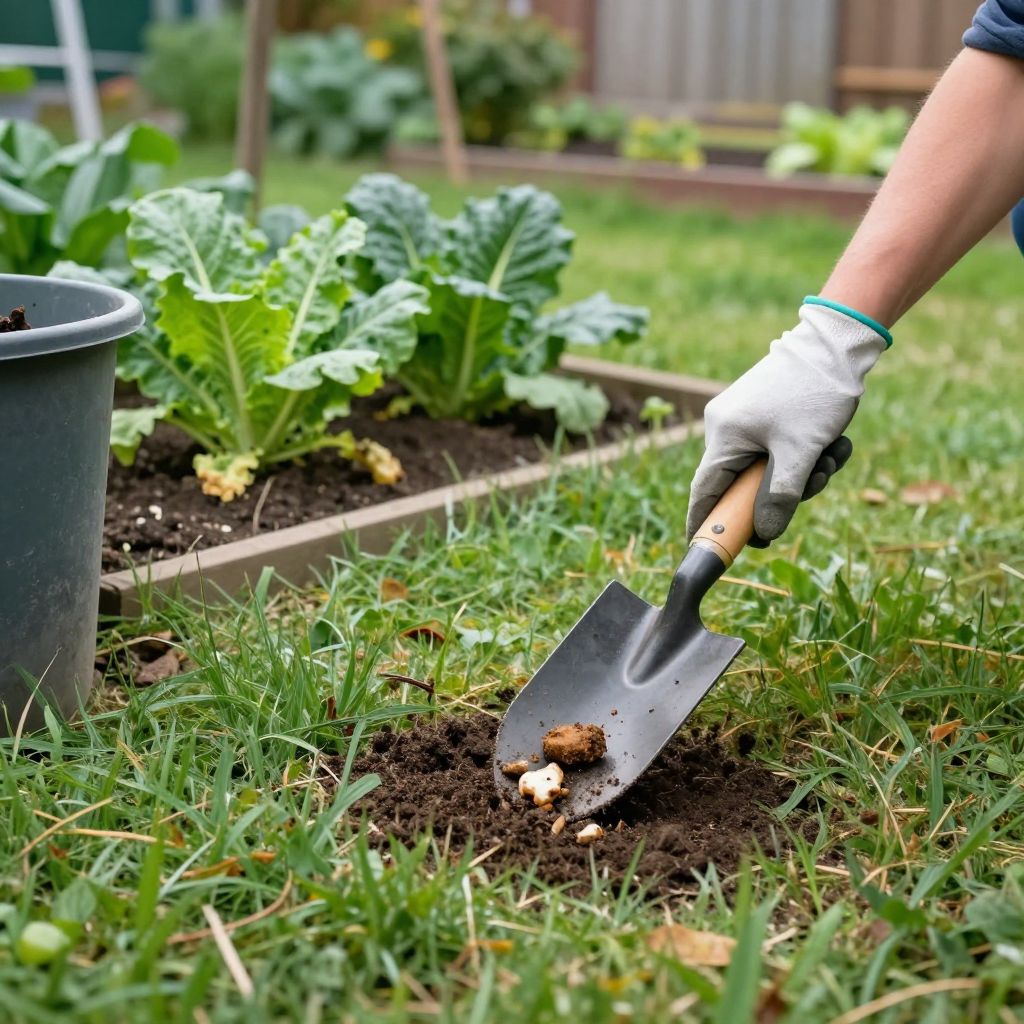
Can dog poop be used as fertilizer? It’s a common question, especially if you’re trying to reduce waste in the yard. The short answer is no, not directly. Dog feces can carry harmful parasites, bacteria, and viruses, and it can damage soil and plants if used raw.
If you garden at home, the safest approach is to treat dog waste as pet waste, not as a soil amendment. There are a few controlled ways to handle it, but they require careful composting, proper containment, and realistic expectations about what it can and cannot do for your garden.
Can dog poop be used as fertilizer?
Dog poop should not be used as fertilizer in its raw form. Unlike herbivore manure, it can contain pathogens and parasites that are risky for people, pets, and edible crops. Even when composted, it is best kept out of vegetable beds, salad gardens, and any area where children play.
Why dog waste is different from garden-safe manure
Many gardeners are used to using well-aged manure from herbivores such as cows, horses, or chickens. Dog waste is different because dogs are omnivores and may carry organisms that survive in soil for a long time.
Health and garden risks
- Pathogens: Dog feces can contain bacteria such as E. coli and Salmonella.
- Parasites: Roundworms, hookworms, and other parasites may be present.
- Runoff contamination: Rain can wash waste into drains, ponds, or edible beds.
- Soil imbalance: Fresh waste can burn plants and create unpleasant odors.
Because of these risks, raw dog poop is not a safe fertilizer for lawns, ornamentals, herbs, or vegetables. Even if it seems like “natural” waste, it is not the same as composted plant material.
What happens if you put dog poop on plants?
Fresh dog poop can do more harm than good. It may introduce disease organisms, attract flies, and create a concentrated waste spot that damages roots and soil structure. In small amounts, it may not visibly kill a mature shrub, but it still creates a sanitation problem.
Common problems you may see
- Yellowing or scorched grass around the deposit
- Bad smell and fly activity
- Patchy turf or thin growth in repeated “hot spots”
- Contamination risk near edible crops
If you notice repeated waste areas in the lawn, the best fix is cleanup, not dilution. Rinsing with water may spread contamination rather than solve it.
Can dog poop be composted safely?
Dog poop can be composted only in a separate, carefully managed system, and even then it should not be used on food crops. A dedicated pet-waste composter can reduce volume and odor, but it does not make the material suitable for vegetable gardens or fruit beds.
When composting is not a good idea
- If you want fertilizer for vegetables, herbs, or berries
- If you cannot maintain a separate compost area
- If the pile will be too small to heat properly
- If children, pets, or wildlife can access the pile
Many home compost piles never reach consistent high temperatures throughout the entire mass. That means pathogens may survive in cooler pockets, so a casual backyard pile is not a reliable way to sanitize dog waste.
Safer composting basics for pet waste
- Use a dedicated bin or in-ground digester away from edible beds and water sources.
- Add carbon-rich materials such as sawdust, shredded leaves, or untreated wood shavings.
- Keep the system covered to reduce flies and rainwater intrusion.
- Do not mix in kitchen scraps or yard compost meant for garden use.
- Never apply the finished material to vegetables, herbs, or fruiting plants.
If you choose this route, treat the output as waste reduction, not as a garden fertilizer. That distinction matters for safety.
Better ways to handle dog poop in the garden
The safest and simplest option is to pick up dog waste promptly and dispose of it according to local rules. That protects your soil, your plants, and anyone who uses the yard.
Practical cleanup options
- Bag and trash: The most common and reliable method.
- Pet-waste digester: Useful for some yards, but keep it away from edible plantings.
- Municipal pet-waste disposal: Follow local collection or sewer guidance if available.
For lawns, regular pickup is especially important in high-traffic areas. Repeated deposits can create bare spots, odor, and soil contamination over time.
What about using dog poop on ornamental plants or trees?
It is still not recommended to use raw dog poop around ornamental plants, shrubs, or trees. While ornamentals are not eaten, the same pathogens can remain in the soil and spread through runoff, tools, or hands.
If waste has already been deposited near ornamentals
- Remove the waste as soon as possible.
- Wear gloves and wash hands afterward.
- Do not work it into the soil.
- Replace any visibly contaminated mulch if needed.
For established landscape plants, a small accidental deposit is usually a cleanup issue rather than a plant-health crisis. The main concern is sanitation, not fertilization.
Why dog poop is not a balanced fertilizer
Good fertilizer supplies nutrients in a form plants can use without overwhelming the soil. Dog waste is inconsistent, often too wet, and not balanced for plant nutrition. It is also not a dependable source of the nitrogen, phosphorus, and potassium your garden needs.
What plants actually need
- A stable soil structure with good drainage
- Organic matter such as compost or leaf mold
- Appropriate light for the crop or ornamental
- Watering matched to weather and soil type
- Safe, predictable fertility from approved amendments
If you want to improve soil, use composted yard waste, well-aged herbivore manure from a trusted source, or a soil test-guided fertilizer. Those options are much safer and more useful than dog poop.
How to improve soil without using dog poop
There are many safer ways to feed your garden and build healthy soil. The best choice depends on whether you are growing vegetables, flowers, shrubs, or turf.
Reliable alternatives
- Finished compost: Adds organic matter and helps soil hold moisture.
- Leaf mulch: Improves soil over time and protects roots.
- Composted manure from herbivores: Use only from reputable sources and follow label guidance.
- Slow-release fertilizers: Helpful when a soil test shows a nutrient need.
For vegetable beds, focus on compost and soil testing before adding fertilizer. In many home gardens, that combination does more good than any single waste-based amendment ever could.
How to protect vegetables, herbs, and fruit from contamination
If dog waste is present anywhere near edible plants, sanitation matters more than feeding. Keep pet waste away from beds, wash produce well, and avoid letting dogs enter areas where crops are grown.
Good garden hygiene habits
- Fence off vegetable beds if dogs roam the yard.
- Use clean tools in edible areas.
- Wash hands after handling soil, mulch, or pet waste.
- Keep irrigation water from splashing contaminated soil onto leaves.
- Harvest crops only from clean, protected beds.
These habits are especially important for low-growing crops such as lettuce, strawberries, carrots, and herbs, where soil contact is frequent.
Common mistakes to avoid
Most problems come from trying to treat dog waste like ordinary compost or garden manure. Avoid these common errors if you want a healthy, safe yard.
- Do not bury dog poop in vegetable beds.
- Do not spread it around trees or shrubs as a quick “fertilizer.”
- Do not add it to compost intended for food gardens.
- Do not assume heatless backyard compost will sanitize it.
- Do not use it near wells, drains, or stormwater paths.
If you are ever unsure, the safest answer is to remove it and dispose of it as pet waste rather than trying to recycle it in the garden.
Bottom line for home gardeners
Can dog poop be used as fertilizer? Not safely in the usual gardening sense. Raw dog waste should never be used on edible plants, and even composted pet waste should stay out of food gardens. Your best move is to collect it promptly, dispose of it properly, and use safe soil amendments instead.
If you want to build healthier soil next, look into composting yard waste, using leaf mulch, and choosing a soil test-based fertilizer plan for your beds and containers.