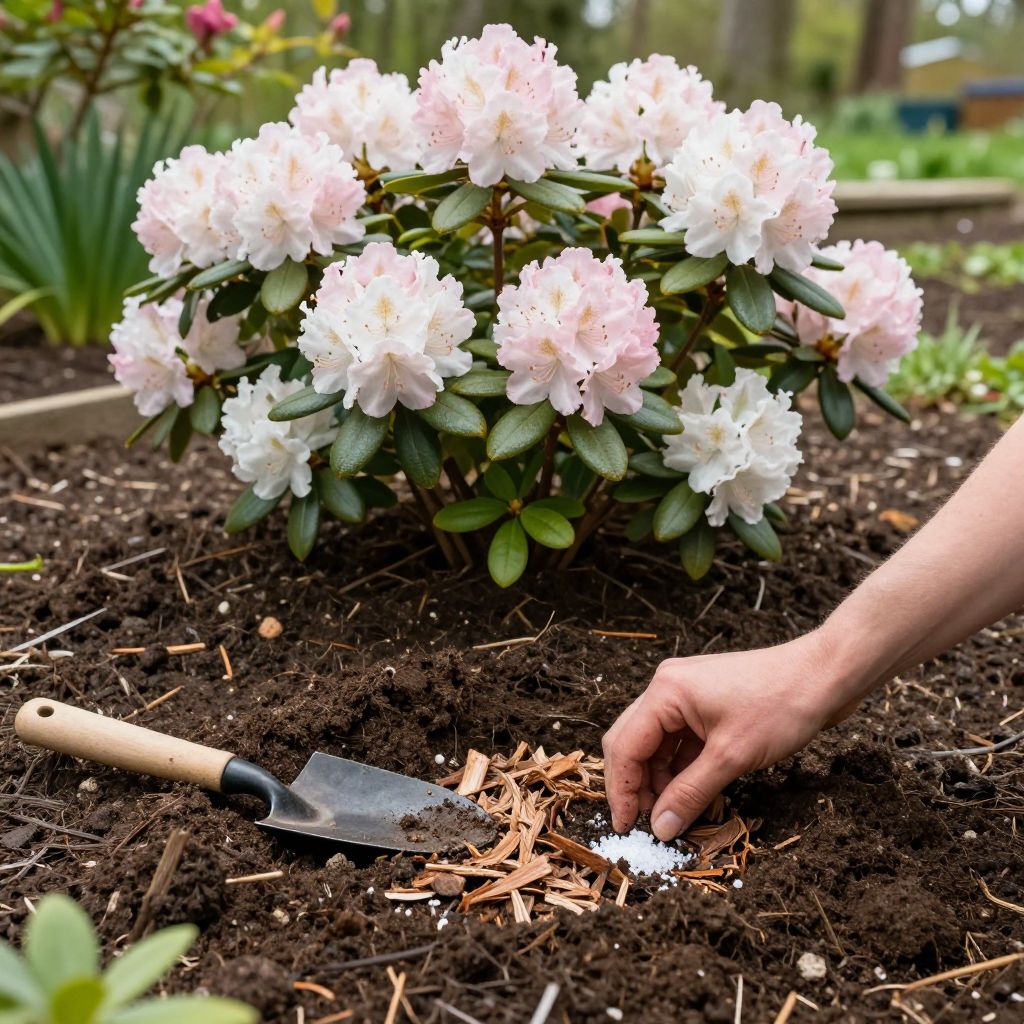
Wondering what plants like acidic soil and whether your garden is acidic enough? Many popular shrubs, flowers, and edibles grow best when the soil pH is below neutral, but the right plants depend on how acidic your soil really is and how well it drains.
The good news is that you do not need perfect soil to grow acid-loving plants. With a simple soil test, a few smart amendments, and the right plant choices, you can build conditions that help them thrive instead of struggle.
What plants like acidic soil?
Plants that like acidic soil usually prefer a pH below 7, with many doing best in the 4.5 to 6.5 range. Common examples include blueberries, azaleas, rhododendrons, camellias, hydrangeas, gardenias, heathers, pieris, and some conifers. Many vegetables and ornamentals can tolerate slightly acidic soil, but true acid-lovers need it to grow well.
How to tell if your soil is acidic enough
The most reliable way to know is to test your soil pH. A simple home kit can give a rough reading, while a lab test gives more detail and is worth it if you are planting shrubs, blueberries, or a bed of acid-loving plants.
What the pH number means
- Below 7.0 = acidic soil
- 7.0 = neutral soil
- Above 7.0 = alkaline soil
For many acid-loving plants, a pH between 5.0 and 6.0 is ideal. Blueberries often need even more acidic conditions than most other garden plants, so do not assume one pH range fits everything.
Signs that suggest alkaline soil
- Yellowing leaves with green veins, especially on acid-loving plants
- Poor growth even when watering seems correct
- Flowers that look weak or sparse
- Soil in your area that is naturally chalky or lime-rich
These symptoms can also come from poor drainage, root damage, or nutrient issues, so use them as clues rather than proof.
Best plants for acidic soil
If your soil is naturally acidic, you have a wide choice of attractive and productive plants. Some are true acid-lovers, while others simply perform better with a slightly acidic root zone.
Shrubs and landscape plants
- Azalea and rhododendron – classic acid-soil shrubs with shallow roots and a preference for moisture-retentive, well-drained soil
- Camellia – likes acidic, humus-rich soil and partial shade
- Gardenia – thrives in acidic soil with steady moisture and warmth
- Hydrangea – grows in a range of soils, but acidic soil can influence flower color in some varieties
- Pieris – an evergreen shrub that prefers acidic, organic-rich soil
- Heath and heather (Erica and Calluna) – need acidic, low-lime soil and good drainage
Fruit and edible plants
- Blueberries (Vaccinium spp.) – among the best-known acid-soil crops
- Cranberries – need very acidic, moist conditions and are best suited to specialized settings
- Raspberries and blackberries – often do well in slightly acidic soil
- Potatoes – prefer slightly acidic soil for healthy growth and can benefit from lower pH
- Strawberries – generally perform well in mildly acidic soil
Perennials and groundcovers
- Hosta – adaptable, but often grows well in mildly acidic soil
- Astilbe – prefers moist, humus-rich conditions that are often slightly acidic
- Ferns – many species like acidic woodland soil
- Japanese forest grass – does well in rich, slightly acidic soil
If you are choosing plants for an existing acidic bed, look for species that also match your light and moisture levels. A plant that likes acidic soil may still fail if it is planted in full sun when it wants shade, or in dry soil when it needs consistent moisture.
Soil requirements for acid-loving plants
Acidic soil is only part of the picture. Most of these plants also need loose, organic soil that drains well but does not dry out too fast. Heavy clay, compacted ground, or standing water can cause root problems even if the pH is correct.
Drainage matters as much as pH
Many acid-loving shrubs have fine roots that dislike waterlogging. If water sits on the surface after rain, improve the bed before planting by loosening the soil, adding organic matter, or choosing raised beds or mounds.
Organic matter helps build the right texture
Work in compost, leaf mold, or well-rotted pine bark to improve structure. These materials help soil hold moisture while still allowing air around the roots. They also support healthy microbial activity, which benefits many garden plants.
Avoid adding fresh manure or strong, high-salt amendments near sensitive acid-loving plants unless you know they are suitable. Gentle, well-finished organic matter is usually the safest choice.
How to make soil more acidic
If your soil is too alkaline for the plants you want, you can lower the pH gradually. The best method depends on how much you need to change, what you are growing, and whether you are amending a bed or a container.
Practical ways to lower pH
- Test the soil first so you know where you are starting.
- Use ericaceous compost or an acidic potting mix for containers and small beds.
- Mulch with pine bark, pine needles, or leaf mold to support a slightly more acidic root zone over time.
- Choose acid-forming fertilizers only when appropriate for the plant and the label directions.
- For larger corrections, gardeners sometimes use elemental sulfur, but it should be applied carefully and based on a soil test.
Do not expect a quick fix. Soil pH changes slowly, especially in garden beds with clay or limestone influence. Re-test after a reasonable interval rather than adding more amendment right away.
What not to do
- Do not overuse peat-based products as a blanket solution.
- Do not add lime to beds for acid-loving plants.
- Do not assume coffee grounds alone will solve pH problems.
- Do not mix large amounts of sulfur or other amendments without checking the label and your soil test results.
Planting and caring for acid-loving plants
Once you have the right soil, good planting technique matters. Many acid-loving plants have shallow roots, so careful planting and mulching can make a big difference in establishment.
Planting tips
- Dig a hole wider than the root ball, but not much deeper.
- Set the plant so the root flare sits at or slightly above the surrounding soil line.
- Backfill with the existing soil improved with organic matter, unless you are growing in containers or a special bed that needs a different mix.
- Water thoroughly after planting to settle the soil.
- Mulch 2 to 3 inches deep, keeping mulch away from stems and trunks.
For blueberries and similar shrubs, mulch is especially useful because it helps keep roots cool and evenly moist. Pine bark, pine needles, and shredded leaves are common choices.
Watering needs
Most acid-loving plants prefer even moisture, not soggy soil. Water deeply when the top layer begins to dry, and adjust for rainfall, temperature, wind, and container size.
In containers, acidic soil can dry out faster than in the ground. Check pots often in warm weather, because drought stress can mimic nutrient problems.
Sunlight and placement
- Blueberries usually need full sun for the best fruiting.
- Azaleas and rhododendrons often prefer morning sun with afternoon shade, especially in hot climates.
- Camellias generally do well in bright shade or filtered light.
- Heathers and some berries need open sun and excellent drainage.
Match the plant to your site before you buy it. A perfect pH will not compensate for deep shade, scorching afternoon sun, or a windy, exposed spot that dries out too quickly.
Common problems with acidic soil plants
Even when the pH is right, acid-loving plants can still struggle. The most common issues are usually related to drainage, nutrient availability, or environmental stress.
Yellow leaves
Yellowing leaves with green veins often point to iron chlorosis, which can happen when the soil is too alkaline for the plant to absorb nutrients properly. It can also appear if roots are cold, waterlogged, or damaged.
Fix the root cause first. Check pH, improve drainage, and make sure the plant is not sitting in compacted soil or standing water.
Poor flowering or fruiting
Insufficient light, too much nitrogen, or overpruning can reduce blooms and fruit. For blueberries, poor pollination or planting only one variety can also limit yield, depending on the type grown.
Root stress and dieback
Plants in heavy, wet soil may develop root rot or decline over time. If a plant is failing in a low spot, consider replanting in a raised bed or better-drained site rather than repeatedly amending the same problem area.
Container growing for acidic soil plants
Containers are a good option if your native soil is alkaline or poorly drained. They let you control the potting mix, which is especially useful for blueberries, camellias, and smaller ornamental acid-lovers.
Container basics
- Use a pot with drainage holes.
- Choose an ericaceous or acidic potting mix when appropriate.
- Use a container large enough for root growth, not just the current root ball.
- Water more often than in-ground plants, but never let the pot sit in water.
- Refresh or repot as the plant grows and the mix breaks down.
Container-grown acid-loving plants may need more frequent feeding than in-ground plants because nutrients leach out faster. Use a fertilizer suited to the specific plant, and follow the label rather than guessing.
Pruning, feeding, and maintenance
Maintenance depends on the plant, but the goal is usually the same: keep growth healthy without overfeeding or cutting at the wrong time.
Pruning
Prune after flowering for many spring-blooming shrubs, such as azaleas and rhododendrons, so you do not remove next season’s buds. Remove dead, damaged, or crossing stems as needed, and avoid heavy pruning unless the plant tolerates it.
Feeding
Use fertilizers that suit the plant rather than a general high-phosphorus product. Overfertilizing can lead to soft growth, weak flowering, or salt stress, especially in containers.
Mulching and seasonal care
- Top up mulch in spring or autumn as needed.
- Keep mulch a few inches away from stems and trunks.
- Protect shallow-rooted plants from drying winds.
- In colder climates, choose hardy species suited to your zone and site exposure.
Quick checklist before you plant
- Test the soil pH.
- Check drainage after rain.
- Match the plant to the light level.
- Choose a plant that suits your climate and winter conditions.
- Prepare the bed with organic matter if needed.
- Mulch and water consistently while the plant establishes.
If you want to grow plants that like acidic soil, start with a soil test, then choose species that fit both your pH and your site conditions. A little planning now will save you from yellow leaves, weak growth, and disappointing blooms later. For more help with soil and plant selection, you may also want to read about how to test garden soil at home and choosing the right mulch for flower beds.