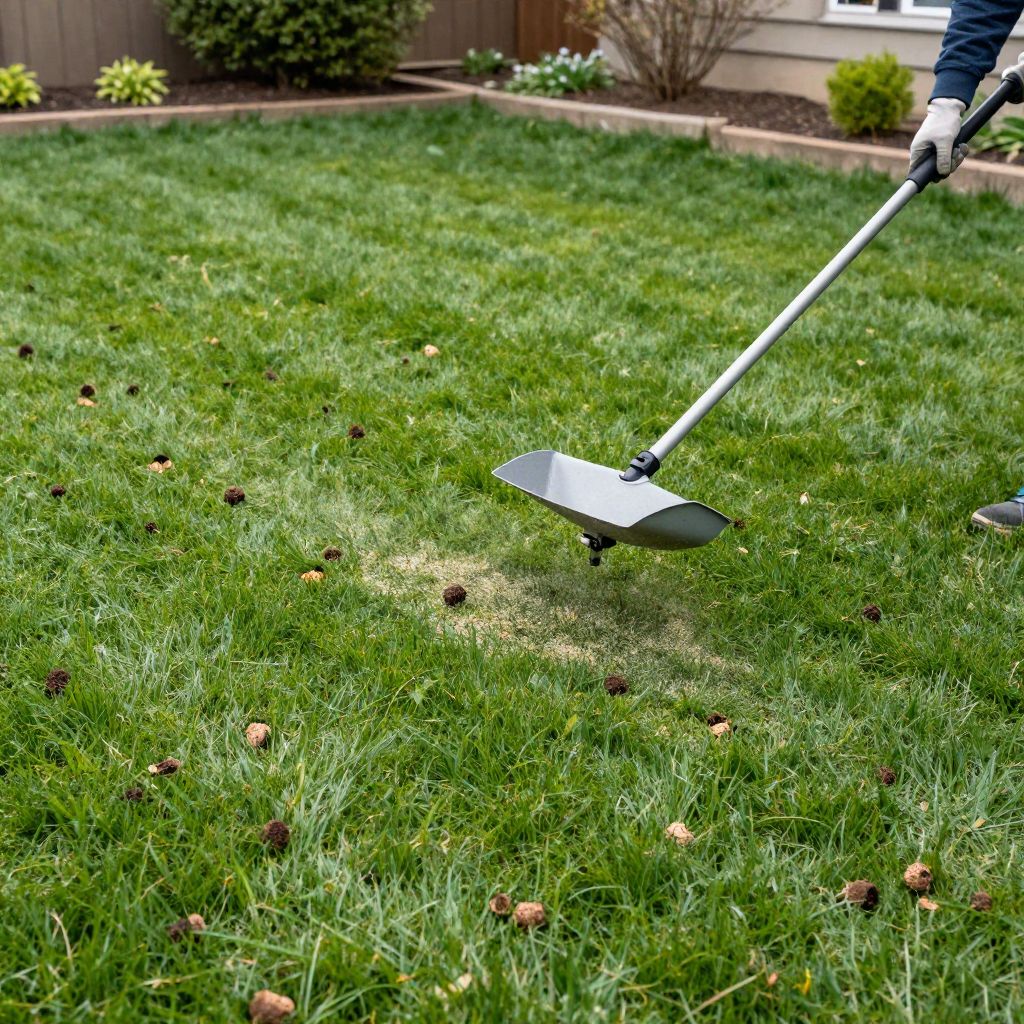
If you’ve just finished aerating your lawn, the next steps matter as much as the aeration itself. What you do right after can improve root growth, reduce compaction, and help your grass recover faster.
The best follow-up care depends on your grass type, soil condition, and the season, but most lawns benefit from watering, overseeding if needed, and light topdressing soon after aeration. Avoid heavy traffic and do not let the soil dry out completely while the lawn is recovering.
What to do after aerating lawn?
After aerating, water the lawn, leave the soil cores on the surface to break down, and overseed or topdress if your lawn needs repair. Keep foot traffic low for a short recovery period, and avoid heavy fertilizing or mowing too soon. The goal is to help air, water, and nutrients reach the roots.
Step-by-step: What to do right after aeration
1. Leave the soil plugs in place
If you used a core aerator, the small plugs of soil left on the lawn should usually stay where they are. They will dry, crumble, and return organic matter to the soil.
Raking them up immediately can undo some of the benefit. Only remove large clumps if they are smothering the grass or if you need a smoother surface for overseeding.
2. Water the lawn soon after aerating
Watering helps settle the soil and supports root recovery. If the ground is dry, give the lawn a thorough soak soon after aeration so moisture reaches deeper into the profile.
How much water you need depends on your soil and weather. In general, aim for deep, even moisture rather than frequent light sprinkling. Sandy soil dries faster, while clay soil may need slower watering to avoid runoff.
3. Overseed if your lawn is thin or patchy
Aeration creates excellent seed-to-soil contact, which is why many gardeners overseed immediately afterward. This is especially useful for thinning turf, worn areas, or lawns with bare spots.
- Choose a grass seed suited to your climate, sun exposure, and lawn use.
- Spread seed evenly over the aerated area.
- Focus extra seed on thin patches and high-traffic zones.
- Keep the seedbed consistently moist until germination.
If you are unsure which seed to use, match the existing lawn as closely as possible. A mixed patchwork of grass types can look uneven and may grow at different rates.
4. Apply a light topdressing if needed
A thin layer of compost or screened topsoil can help improve soil structure, especially in poor or compacted ground. Spread it lightly so grass blades are still visible and not buried.
Keep topdressing thin. A heavy layer can smother turf and create uneven growth. For most home lawns, a light dusting to a thin layer is enough to improve the surface without stressing the grass.
5. Avoid heavy traffic for a short period
Freshly aerated soil is more open and vulnerable to compaction if you walk on it repeatedly. Try to keep kids, pets, lawn equipment, and furniture off the area for a little while.
If you must cross the lawn, use the same path each time to limit damage. This is especially important on wet soil, which compacts much faster than dry soil.
Should you fertilize after aerating?
Sometimes, but not always. Aeration can make fertilizer more effective because nutrients move more easily into the root zone. However, the right choice depends on your lawn’s condition, the season, and whether you have just overseeded.
If you plan to fertilize, use a product appropriate for your grass and local conditions. Avoid overfeeding stressed turf, and do not apply fertilizer just because the lawn was aerated. A soil test is the best way to know what your lawn actually needs.
If you overseeded, choose fertilizer carefully
New seed and young seedlings are sensitive. Use a lawn fertilizer that is suitable for seeding if recommended for your grass type, and follow the label directions exactly.
Do not apply a strong weed-and-feed product after overseeding unless the label specifically says it is safe for new grass. Many herbicides can damage emerging seedlings.
When to mow after aerating
Wait to mow until the grass has recovered enough to avoid pulling up seed or stressing the turf. If you overseeded, hold off until the new grass is tall enough to cut safely.
For an established lawn without new seed, mow only when the surface is reasonably dry and the grass is actively growing. Use a sharp blade and avoid cutting too short, since scalping can slow recovery.
Mowing tips after aeration
- Keep mower blades sharp for a clean cut.
- Avoid mowing when the soil is soft and rutted.
- Do not remove more than one-third of the grass height at a time.
- Bag clippings only if they are excessive and smothering the lawn.
How to water after aerating and overseeding
Watering is one of the most important parts of post-aeration care. The goal is to keep the top layer of soil consistently moist without creating puddles or runoff.
For established turf
Water deeply enough to moisten the root zone, then let the surface begin to dry slightly before watering again. This encourages roots to grow deeper and makes the lawn more resilient.
For newly overseeded areas
Seed needs regular moisture to germinate. The surface should stay lightly moist, especially during the first couple of weeks, but never soggy.
In hot, windy, or sunny weather, you may need shorter, more frequent watering. In cool or humid weather, less frequent watering may be enough. Always adjust to your soil and local climate.
Common mistakes to avoid after aerating
- Raking up the soil cores too soon and losing the natural topdressing effect.
- Overwatering, which can cause runoff, disease, or muddy compaction.
- Letting the lawn dry out completely right after overseeding.
- Using the wrong seed for your light conditions or region.
- Applying harsh weed control too soon after seeding.
- Driving or parking on the lawn before it has recovered.
- Mowing too early and disturbing seedlings or soft soil.
What problems can happen after aeration?
Uneven surface or visible plugs
This is normal after core aeration. The plugs usually break down in a few days to a couple of weeks, depending on weather and soil texture.
If the surface remains very rough, a light topdressing with compost or screened soil can help smooth it out over time.
Patchy germination after overseeding
Uneven seed coverage, dry spots, shade, or poor seed-soil contact can all lead to patchy results. Check whether the seed was watered evenly and whether certain areas dry out faster than others.
Shade-tolerant grass types, improved watering, and careful reseeding of bare spots can help. In very shady or compacted areas, lawn recovery may be slower and may require repeated care.
Yellowing or slow recovery
Newly aerated lawns can look stressed for a short time, especially if the weather is hot or the turf was already weak. Mild yellowing is not always a sign of failure.
If the lawn stays yellow, check for poor drainage, mowing stress, nutrient imbalance, or disease. A soil test and a close look at watering habits often reveal the issue.
Seasonal considerations for post-aeration care
The best aftercare depends on when you aerated. Cool-season lawns and warm-season lawns recover at different rates, and weather can change how quickly seed germinates and roots grow.
Cool-season lawns
Cool-season grasses usually respond well to aeration during active growth periods in cooler weather. Overseeding is often most useful when temperatures support germination and steady growth.
Warm-season lawns
Warm-season grasses generally recover best when they are actively growing in warm weather. Aeration too early or too late in the season may slow recovery, so timing matters.
If you are unsure of your grass type, observe when it grows most strongly and when it naturally greens up. That will help you choose the best window for aeration follow-up.
Tools and supplies that help after aerating
- Garden hose or sprinkler system for even watering
- Broadcast or drop spreader for seed or fertilizer
- Rake for light leveling or spreading compost
- Sharp mower blade for clean mowing
- Soil test kit if the lawn has recurring problems
Keep tools clean and in good condition. A dull mower blade, clogged spreader, or uneven sprinkler pattern can interfere with recovery just as much as poor soil can.
How long does recovery take?
Recovery time varies with grass type, weather, soil condition, and whether you overseeded. Some lawns show improvement quickly, while others need several weeks to fill in.
Be patient and watch for steady signs of progress: greener color, firmer soil, and new growth in thin areas. If the lawn was badly compacted or thin to begin with, you may need more than one season of consistent care.
Conclusion: give your lawn the right follow-up
After aerating, the most useful next steps are simple: water well, leave the plugs in place, overseed if needed, and protect the lawn while it recovers. With the right timing and a little patience, aeration can make your turf healthier and easier to maintain.
If you want to keep improving your lawn care routine, it also helps to read more about soil health and overseeding so you can match your next steps to your grass type and local conditions.