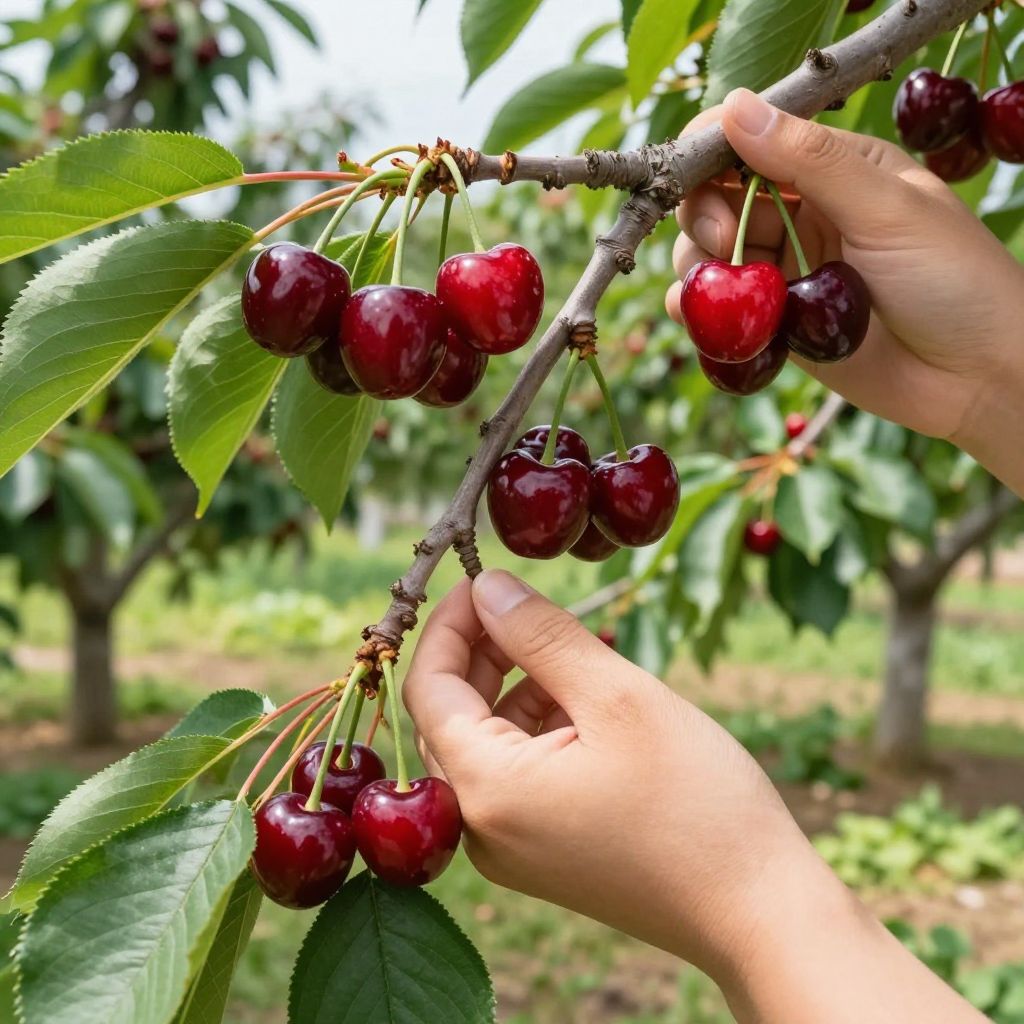
Are cherries in season now? If you’re trying to time harvests, buy fruit at peak quality, or plan a cherry tree in your garden, the answer depends on your climate and the type of cherry. Sweet cherries and tart cherries ripen at different times, and local weather can shift the season by several weeks.
For gardeners, “in season” also means understanding when cherry trees flower, set fruit, and need care. If you grow cherries, the best results come from matching the tree to your climate, giving it full sun and well-drained soil, and protecting the developing crop from birds, cracking, and disease.
Are cherries in season now?
Cherries are usually in season from late spring through mid-summer, but the exact window varies by region, variety, and weather. Sweet cherries often ripen first, followed by tart cherries. In warmer areas, the season can start earlier; in cooler regions, it may begin later and last a bit longer.
When cherry trees bloom and fruit
Cherry trees don’t produce fruit all year. They follow a seasonal cycle that begins with spring bloom and ends with summer harvest, then dormancy in fall and winter.
Typical seasonal pattern
- Late winter to early spring: dormant buds begin to swell.
- Spring: trees bloom, and pollination takes place.
- Late spring to summer: fruit develops and ripens.
- Late summer to fall: leaves drop and the tree stores energy for next year.
If you are asking “are cherries in season now” for your own garden, look at the fruit itself rather than the calendar alone. Color, firmness, and taste are better guides than the date on the page.
Sweet cherries vs. tart cherries
- Sweet cherries are usually eaten fresh and often ripen first in many regions.
- Tart cherries are smaller, more acidic, and often ripen a little later.
Both types need a cool winter period to rest properly, but they differ in pollination needs, growth habits, and harvest timing. If you are planting for fruit, choose a type suited to your local climate rather than relying on a general season chart.
How to tell when cherries are ready to harvest
Cherries are ready when they have full color for the variety, taste sweet or pleasantly tart, and detach easily from the stem. They should be firm but not hard. If you pick too early, the flavor will be flat; if you wait too long, birds, rain, and splitting can reduce quality.
Harvest signs to watch for
- Even, deep color across the fruit
- Glossy skin with no green shoulders
- Good flavor when sampled from several spots on the tree
- Stems that release with a gentle lift
Harvest in the cool part of the day if possible. Handle fruit gently and keep it shaded after picking. Cherries bruise easily, and damaged fruit stores poorly.
Growing cherries successfully in the home garden
Cherry trees can be rewarding, but they are not the easiest fruit trees for beginners. They need the right site, careful pruning, and protection from pests and weather-related problems. A healthy tree is more likely to produce a reliable crop during the season.
Best site and sunlight
Cherries need full sun for strong growth and good fruiting. Choose a spot with at least 6 to 8 hours of direct sunlight daily and good air movement to help leaves dry after rain.
Avoid low-lying areas where cold air settles in spring. Late frosts can damage blossoms and reduce the crop, even if the tree looks healthy the rest of the year.
Soil and drainage
Well-drained soil is essential. Cherry roots dislike standing water, and poor drainage can lead to weak growth or root problems.
- Work in compost to improve soil structure before planting.
- Make sure water drains away within a few hours after heavy rain.
- If your soil is heavy clay, consider a raised planting area or berm.
Cherries generally do best in soil that is moderately fertile rather than overly rich. Too much nitrogen can push leafy growth at the expense of flowers and fruit.
Watering needs
Young trees need regular watering while they establish roots. Mature trees benefit from deep watering during dry spells, especially while fruit is sizing up.
Water deeply and less often rather than giving shallow daily sprinkles. A mulch layer can help conserve moisture, but keep it a few inches away from the trunk to reduce rot and pest issues.
Mulch and compost
A 2- to 4-inch layer of organic mulch helps moderate soil temperature and reduce weeds. Compost can be added at planting time or as a light top-dressing in spring, depending on your soil.
Do not pile mulch against the trunk. That common mistake traps moisture and can invite disease or bark damage.
Planting and training cherry trees
Planting correctly sets the tree up for years of healthier growth. The exact planting time depends on your climate, but dormant-season planting is often preferred in cooler regions, while container-grown trees may be planted when conditions are mild and soil is workable.
Planting steps
- Dig a hole wide enough to spread the roots without bending them.
- Set the tree so the root flare is near soil level.
- Backfill with native soil, breaking up clods as you go.
- Water thoroughly to settle the soil.
- Add mulch after planting, keeping it away from the trunk.
If you are growing more than one tree, check pollination requirements before planting. Many sweet cherries need a compatible pollinator nearby, while some tart cherries are self-fertile. This matters more than many gardeners expect, especially when the tree flowers but does not set fruit.
Pruning basics
Pruning helps maintain structure, light penetration, and fruiting wood. Cherry trees are usually pruned in a way that encourages strong branch angles and an open canopy.
- Remove dead, damaged, or crossing branches.
- Thin crowded growth to improve airflow.
- Make clean cuts with sharp, sanitized tools.
Prune at the right time for your climate and tree type. Heavy pruning at the wrong time can stimulate excessive growth or increase disease risk. If you are unsure, start with light corrective pruning rather than major cuts.
Common cherry pests and diseases
Cherry trees can be affected by insects, birds, fungal diseases, and weather stress. Catching problems early is one of the best ways to protect the season’s crop.
Pests to watch for
- Birds: often the biggest challenge as fruit ripens
- Aphids: may cluster on tender shoots and curl leaves
- Fruit flies or maggots: can damage ripening fruit in some regions
- Spider mites: may appear in hot, dry conditions
Netting is often the most practical bird control for home gardeners. Install it before fruit turns fully ripe, or birds may beat you to the harvest.
Diseases and disorders
- Brown rot: can infect blossoms and fruit, especially in wet weather
- Leaf spot: may cause premature leaf drop
- Cracking: often happens after rain near harvest
Good spacing, pruning for airflow, and prompt cleanup of fallen fruit and leaves all help reduce disease pressure. If fruit splits after rain, harvest what you can quickly and remove damaged fruit to limit further issues.
How to protect cherries as they ripen
The ripening stage is when many gardeners lose the most fruit. Birds, sudden rain, and heat can all affect the final harvest.
Practical protection tips
- Use bird netting before fruit is fully ripe.
- Harvest frequently as fruit colors up.
- Keep the tree watered during dry spells to reduce stress.
- Remove split or rotting fruit promptly.
In rainy climates, splitting is a major concern. While you cannot control the weather, consistent soil moisture and timely picking can reduce losses. Avoid letting the tree swing from very dry soil to sudden heavy watering, which can worsen cracking in some situations.
Propagating cherry trees
Home gardeners sometimes want to propagate cherries, but it is not as simple as rooting a cutting from fruit. Many cherry trees are grafted to rootstocks, and seedlings do not always produce the same quality fruit as the parent tree.
If you want a reliable fruiting tree, buying a healthy nursery plant is usually the best choice. Propagation methods can be more technical and are often better suited to experienced growers.
Container growing and small spaces
Cherries can be grown in large containers only if you choose a compact tree appropriate for container culture and provide strong sun, regular watering, and excellent drainage. Even then, container trees usually need more attention than in-ground trees.
Use a large pot with drainage holes and a quality potting mix that drains well. Container trees dry out faster than garden trees, so check moisture often during warm weather.
Seasonal care checklist for cherry trees
A simple seasonal routine helps you stay ahead of problems and improve harvest quality year after year.
- Late winter: inspect structure and prune lightly if appropriate.
- Spring: watch bloom, pollination, and frost risk.
- Early summer: water during dry periods and monitor pests.
- Ripening season: net for birds and harvest promptly.
- After harvest: remove damaged fruit and maintain tree health.
Common mistakes to avoid
Many cherry problems come from a few avoidable errors rather than from the tree itself.
- Planting in shade or heavy, poorly drained soil
- Ignoring pollination needs
- Overfertilizing with nitrogen
- Letting weeds and grass compete at the base
- Waiting too long to protect fruit from birds
If your tree flowers but does not fruit, check pollination, late frost damage, and whether the tree is getting enough sun. If fruit forms but drops early, look at water stress, pests, and disease pressure.
Conclusion
So, are cherries in season now? In many places, yes during late spring and summer, but the exact timing depends on your location and the type of cherry. For the best harvest, focus on color, flavor, and fruit firmness rather than the calendar alone.
If you want better cherries next season, start with a sunny site, well-drained soil, careful pruning, and good bird protection. For more fruit-tree guidance, you may also want to read related gardening advice on pruning fruit trees and improving soil drainage in the garden.