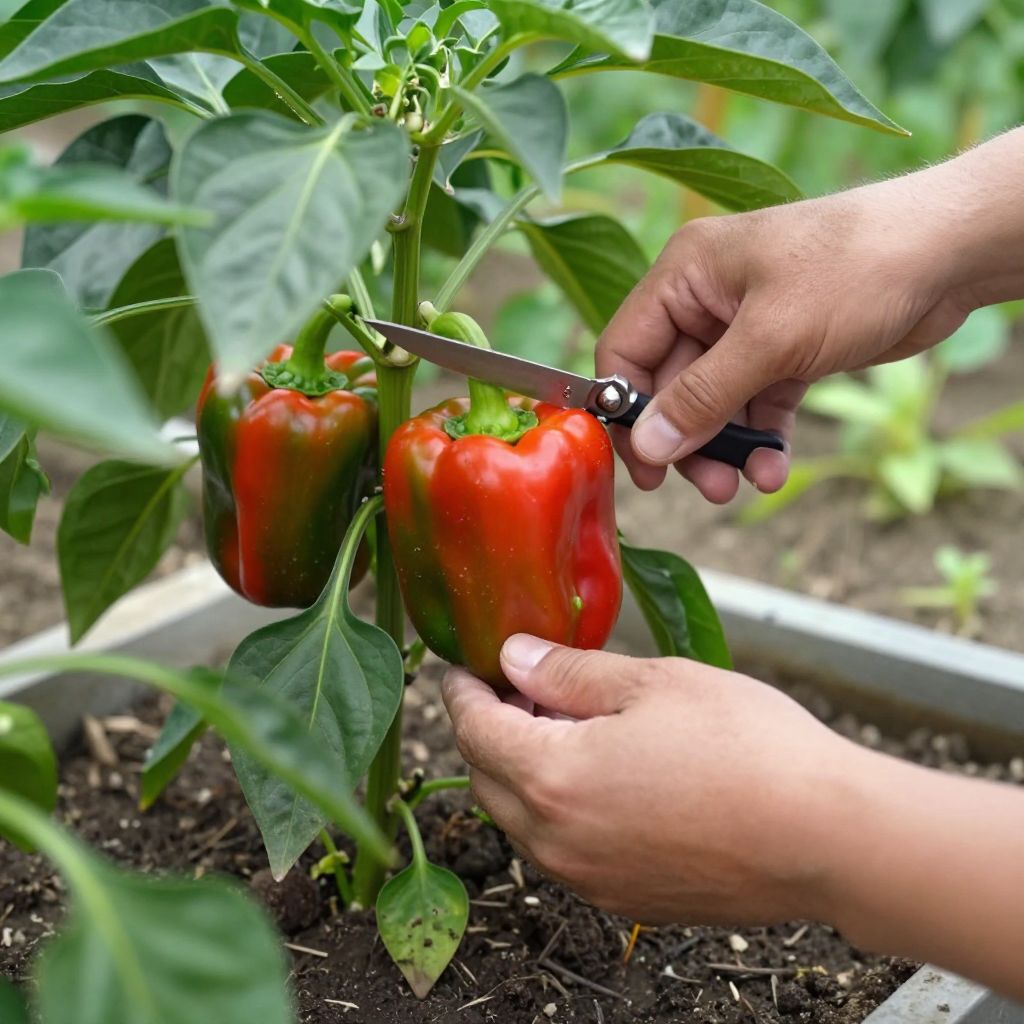
Wondering when to pick bell peppers so they taste sweet, crisp, and fully developed? The best time depends on the variety, your climate, and whether you want green peppers or fully ripe colored fruits. Bell peppers can be harvested at more than one stage, but timing matters for flavor, texture, and continued production.
If you pick too early, peppers may be smaller and less sweet. If you wait too long, they can soften, attract pests, or slow the plant’s ability to keep producing. The good news is that bell peppers give clear signs when they’re ready.
When to pick bell peppers?
Pick bell peppers when they are firm, glossy, full-sized for the variety, and easy to cut from the plant. You can harvest them green once they reach usable size, or wait until they turn red, yellow, orange, or another mature color for sweeter flavor. Use clean pruners or scissors to avoid damaging stems.
How to tell bell peppers are ready
Bell peppers do not need to be giant to be ready. In fact, many are best harvested when they have reached near-full size and feel solid in the hand.
Clear signs of harvest readiness
- Size: The pepper has reached the expected size for the variety.
- Shape: The fruit looks fully formed, with thick walls and a blocky shape.
- Texture: The skin is smooth, glossy, and firm.
- Color: Green peppers are ready when full-sized; colored peppers are ready when they finish changing color.
- Stem attachment: The pepper separates more easily when gently lifted or cut.
A ripe bell pepper should feel heavy for its size. If it still feels thin-walled or soft, it likely needs more time.
Green versus fully ripe peppers
Many gardeners harvest bell peppers green because they mature sooner and the plant can redirect energy into more fruits. Green peppers are perfectly edible, but they are less sweet than fully ripe peppers.
If you leave them on the plant longer, they may turn red, yellow, orange, or another mature color depending on the cultivar. Fully ripe peppers usually taste sweeter and more aromatic, but they take longer to develop.
How long bell peppers take to mature
Bell peppers are a warm-season crop, and maturity time varies by variety and growing conditions. Seed packets often list days to maturity, but that number is only a guide. Cool weather, low light, and stress can slow ripening.
In general, peppers need a long, warm season to reach full color. If your climate has a short summer, you may get more reliable harvests by picking green peppers before frost or cool nights slow the plant down.
What affects ripening time
- Temperature: Warm days and mild nights speed ripening.
- Sunlight: More sun helps fruits mature and color up better.
- Plant health: Healthy, unstressed plants ripen fruit more consistently.
- Fruit load: A heavily loaded plant may ripen fruit more slowly.
- Season length: Short growing seasons may not allow full color development outdoors.
Should you pick bell peppers green or wait for color?
That depends on your goal. If you want earlier harvests and more fruit set, pick some peppers green. If you want the sweetest flavor and richest color, wait for full ripeness. Many gardeners do both on the same plant.
Choose green peppers when you want:
- Earlier harvests
- More frequent picking
- Firm texture for salads, stir-fries, and fresh eating
- To encourage the plant to keep producing
Choose fully colored peppers when you want:
- Maximum sweetness
- Deeper flavor
- Brighter color
- Fully mature seed development for saving seed, if the variety is open-pollinated
If frost is approaching, it is usually better to harvest usable green peppers than to leave them outside hoping for color that may never come.
Seasonal timing: when to harvest during the year
The right picking time changes through the season. Early in summer, peppers may be small and slow to size up. Midseason is often the main harvest window. Late in the season, growth slows and you may need to pick fruits sooner to protect them from cold.
Early season
Once plants are established and begin setting fruit, you can start harvesting the first full-sized peppers. Early picking can help younger plants focus on root growth and additional flowering.
Midseason
This is often the most productive time. Check plants every few days, because peppers can go from nearly ready to fully ready quickly in warm weather.
Late season
As nights cool, ripening slows. If temperatures are dropping below the peppers’ comfort range, harvest mature green fruits and any peppers that are close to full size. You can often let them finish coloring indoors if they have begun to change color.
How to harvest bell peppers correctly
Harvesting bell peppers the right way protects the plant and encourages more fruit. Pulling fruit off by hand can tear stems or break branches, especially when the plant is loaded.
- Inspect the pepper for size, firmness, and color.
- Hold the fruit gently with one hand.
- Use clean scissors, pruners, or a knife to cut the stem just above the fruit.
- Leave a short stem attached if possible.
- Place harvested peppers in a shallow basket or container to prevent bruising.
Do not twist hard or yank peppers from the plant. A clean cut is safer for both the fruit and the stem.
Best tools for picking
- Bypass pruners for thicker stems
- Sharp scissors for smaller plants or containers
- A clean harvest basket or tray
What happens if you pick too early or too late?
Picking too early usually gives you smaller, less flavorful peppers. The fruit may still be edible, but it may not have reached its best texture or sweetness.
Picking too late can lead to softer skin, overripe spots, insect damage, or reduced production. On the plant, overripe fruit may also slow the formation of new flowers and fruit.
Signs you waited too long
- The skin begins to wrinkle or soften
- Color becomes dull instead of glossy
- Birds or insects start feeding on the fruit
- The plant seems to stop setting new peppers
How to keep bell peppers producing after harvest
Regular picking often encourages more flowering and fruiting. Once a pepper is harvested, the plant can put more energy into new blossoms instead of maintaining older fruit.
Helpful care after harvesting
- Water deeply when the top few inches of soil dry out.
- Keep soil evenly moist, not soggy.
- Remove damaged or diseased leaves if needed.
- Support heavy branches with stakes or cages.
- Continue monitoring for pests and disease.
Healthy plants usually produce longer when they are not stressed by drought, poor drainage, or crowding.
Growing conditions that affect harvest timing
Bell peppers ripen best in full sun, warm temperatures, and well-drained soil rich in organic matter. If growing conditions are poor, fruit may mature slowly or stay small.
Soil and drainage
Peppers prefer loose, fertile soil that drains well. Heavy, waterlogged soil can slow growth and increase disease risk. Adding compost improves structure and helps roots grow strongly.
Watering
Uneven watering can cause stress, blossom drop, or poor fruit development. Water consistently at the base of the plant, especially during flowering and fruit fill. Avoid wetting foliage frequently, which can encourage disease.
Sun and warmth
Bell peppers need plenty of sun to ripen well. In cooler climates, fruits may stay green longer. In very hot weather, plants may pause flowering until temperatures moderate.
Common problems that delay harvest
Sometimes peppers look close to ready but never quite finish. Usually, the issue is environmental rather than a mistake in picking.
Pests
Aphids, flea beetles, caterpillars, and pepper weevils can damage fruit or stress plants. Check the undersides of leaves and around stems regularly. Remove pests early before they weaken the plant.
Diseases
Fungal and bacterial diseases can reduce vigor and fruit quality. Good spacing, clean tools, and avoiding overhead watering help reduce risk. Remove badly affected plants or fruit if disease spreads.
Nutrient imbalance
Too much nitrogen can produce lush leaves but fewer peppers. Balanced soil fertility supports flowering and fruiting better than excessive feeding. If plants are leafy but slow to fruit, review soil conditions and feeding practices.
Can you ripen bell peppers after picking?
Bell peppers do not continue to ripen much after harvest the way some fruits do. They may soften slightly or finish a partial color change if already started, but they will not become fully sweet if picked very green.
If a pepper has begun changing color, you can sometimes bring it indoors to finish. Keep it at room temperature, out of direct sun, and check it often. This works best for peppers that are already partly colored.
Quick harvest checklist
- Fruit is full-sized for the variety
- Skin is glossy and firm
- Color is green for early harvest or fully mature for sweeter flavor
- Stem is cut cleanly with pruners or scissors
- Plant remains healthy and supported after picking
Conclusion
When to pick bell peppers comes down to size, firmness, color, and your flavor preference. Harvest green peppers once they are fully formed, or wait for full color if you want sweeter fruit. Check plants every few days, cut fruit cleanly, and keep the plant well watered so it keeps producing.
If you want to improve your harvest timing even more, it can help to read more about growing peppers in containers and how to support fruiting vegetables with proper pruning and staking.