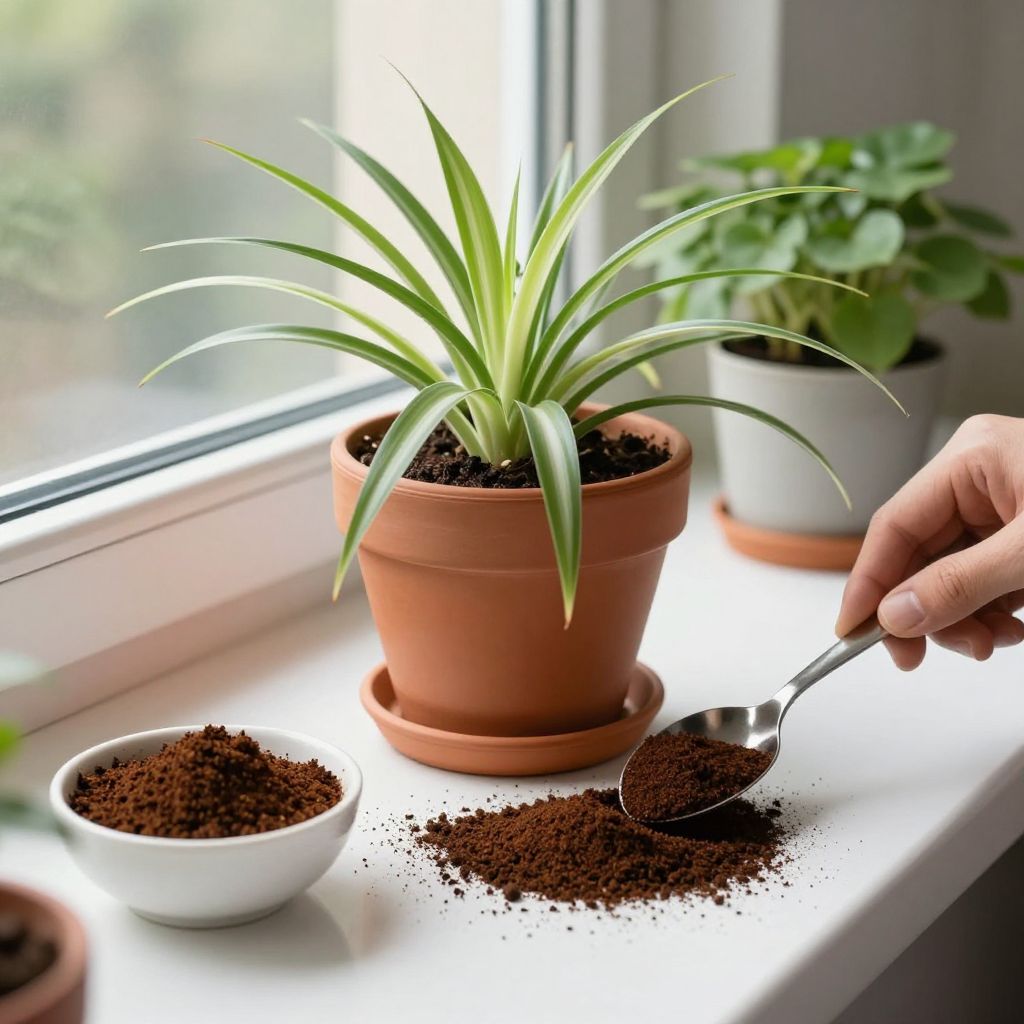
If you’re wondering what indoor plants like coffee grounds, the short answer is: a few acid-tolerant houseplants may benefit from small, well-composted amounts, but most indoor plants do better without fresh coffee grounds added directly to the pot. Used carelessly, coffee grounds can compact the soil, hold too much moisture, and invite fungus gnats or mold.
The safest approach is to treat coffee grounds as a soil amendment or compost ingredient, not a general houseplant fertilizer. When used correctly, they can support plants that prefer slightly acidic conditions, but they should be applied lightly and with good drainage in mind.
What Indoor Plants Like Coffee Grounds?
Indoor plants that may appreciate coffee grounds in very small, composted, or diluted forms include peace lily (Spathiphyllum), pothos (Epipremnum aureum), snake plant (Dracaena trifasciata), philodendron, fern types, African violet (Saintpaulia), and some orchids only indirectly through compost or potting mixes. Even for these plants, coffee grounds should be used sparingly and never as a thick layer on the soil surface.
Why Coffee Grounds Are Tricky for Houseplants
Coffee grounds are often described as “good for plants,” but indoors they behave differently than they do in a garden bed. In pots, the material can stay wet, break down slowly, and reduce airflow around roots.
That matters because most houseplants need a potting mix that drains well and dries at a steady pace. Coffee grounds can help only when they are part of a balanced mix or fully composted first.
What coffee grounds can do
- Add a small amount of organic matter as they decompose.
- Support microbial activity in compost or amended potting media.
- Contribute some nitrogen, though not in a predictable fertilizer dose.
What coffee grounds can do wrong
- Create a dense, crusty layer that blocks water from soaking in evenly.
- Hold excess moisture around roots.
- Encourage mold growth or fungus gnats indoors.
- Make a potting mix too fine and airless if too much is added.
Best Indoor Plants for Coffee Grounds Use
Not every houseplant will respond the same way. The plants below are the most likely to tolerate a small amount of coffee-ground amendment, especially if the grounds are composted first or mixed into a potting blend rather than sprinkled on top.
Houseplants that may benefit most
- Peace lily – likes evenly moist, slightly acidic soil and organic matter.
- Philodendron – does well in rich but airy potting mix.
- Pothos – can handle modest organic amendments if drainage stays excellent.
- Fern types – often prefer humus-rich mixes, but still need airflow.
- African violet – prefers a light, well-drained mix; use coffee grounds only in compost, not direct top-dressing.
- Snake plant – may tolerate composted organic matter, but too much moisture is the bigger risk.
Plants to be more cautious with
- Cacti and succulents – usually dislike extra moisture and organic buildup.
- Herbs in pots – many prefer leaner mixes and strong light.
- Any plant already struggling with root rot – avoid coffee grounds until the plant recovers.
How to Use Coffee Grounds Indoors the Right Way
If you want to use coffee grounds for indoor plants, the safest method is to compost them first or mix only a tiny amount into a potting blend. Fresh grounds are the most likely to cause problems in containers.
Option 1: Add them to compost
This is the best choice if you have a compost system. Coffee grounds are considered a “green” material and work well when balanced with dry “brown” materials like shredded paper, dry leaves, or cardboard.
- Add used coffee grounds in thin layers to the compost pile or bin.
- Mix them with browns to prevent clumping.
- Let the compost fully break down before using it in houseplant pots.
- Blend finished compost into potting mix at a modest rate.
Option 2: Mix a very small amount into potting soil
If you do not compost, use coffee grounds only in tiny amounts and only in a loose, airy mix. A practical approach is to blend a small handful of dry used grounds into a larger batch of potting mix rather than adding them directly to an established pot.
Do not make coffee grounds the main ingredient. Houseplants need structure, drainage, and air pockets more than they need extra organic debris.
Option 3: Brewed coffee water, used carefully
Some gardeners water occasionally with very diluted, cooled black coffee, but this is not a reliable fertilizer and should not replace normal care. If you try it, use it rarely and watch the plant closely for leaf yellowing, soil crusting, or sour-smelling mix.
How Much Coffee Ground Is Too Much?
For indoor containers, less is usually better. A thin, occasional addition is far safer than frequent heavy applications. If you can see a layer of grounds on top of the soil, it is probably too much for a houseplant pot.
Good rules of thumb
- Use composted grounds rather than fresh grounds whenever possible.
- Keep any direct addition very light and mixed into the soil, not piled on top.
- Avoid repeated applications without checking how the pot drains and dries.
- If the mix stays wet for days, stop using coffee grounds.
For most indoor plants, it is better to think of coffee grounds as a minor ingredient, not a feeding program. If your plant needs more nutrition, a balanced houseplant fertilizer used according to the label is usually more dependable.
Signs Your Plant Likes Coffee Grounds
When coffee grounds are helping, the plant will usually show steady, healthy growth rather than dramatic changes. You are looking for subtle improvement, not instant results.
- Leaves stay firm and evenly colored.
- New growth appears at a normal pace for the season.
- The potting mix smells earthy, not sour or moldy.
- Water drains through the pot without pooling on top.
If the plant looks better after a light compost amendment, that is a good sign. Still, keep the amount modest and continue monitoring drainage and moisture.
Signs Coffee Grounds Are Causing Problems
Because indoor pots are enclosed systems, problems can show up quickly. Stop using coffee grounds if you notice any of the following:
- Mold growing on the soil surface.
- Fungus gnats hovering around the pot.
- Soil that stays wet far too long.
- Leaves turning yellow despite normal light and watering.
- A sour, swampy smell from the potting mix.
- Compacted soil that shrinks away from the pot edges.
How to fix it
- Remove any visible layer of grounds from the soil surface.
- Let the pot dry more than usual, if the plant can tolerate it.
- Repot into fresh, airy potting mix if the soil has become dense or smelly.
- Check drainage holes and empty saucers after watering.
- Use sticky traps for fungus gnats if needed, and reduce overwatering.
Best Practices for Indoor Plant Care with Coffee Grounds
Whether you are growing pothos on a shelf or a peace lily near a window, the basics still matter more than any amendment. Good light, proper watering, and a well-draining pot are the foundation.
Focus on these care essentials
- Drainage: Always use pots with drainage holes.
- Potting mix: Choose a light indoor mix with perlite, bark, or other airy components when appropriate.
- Watering: Water only when the plant actually needs it, based on soil dryness and the species.
- Light: Match the plant to the window conditions it prefers.
- Air circulation: Helps prevent mold and pests indoors.
If you are repotting, this is a better time to add a small amount of composted coffee grounds than during routine watering. Mixing amendments evenly through fresh potting soil is much safer than top-dressing an established container.
Common Mistakes to Avoid
Most coffee-ground problems come from overuse or poor potting conditions, not from the grounds themselves. Avoid these common mistakes:
- Using fresh grounds straight from the coffee maker on houseplant soil.
- Applying grounds every time you water.
- Leaving a thick layer on top of the potting mix.
- Using grounds in pots that already drain slowly.
- Adding grounds to succulents, cacti, or plants that prefer drier soil.
- Expecting coffee grounds to replace fertilizer entirely.
Can Coffee Grounds Help with Pests or Odors?
There is no dependable evidence that coffee grounds solve indoor pest problems. In fact, damp grounds can make pest issues worse by creating a favorable surface for fungus gnats and mold.
If you are trying to improve soil smell, the answer is usually better drainage, cleaner potting mix, and less frequent overwatering. Coffee grounds should not be used as a fix for sour soil.
When to Skip Coffee Grounds Entirely
Some houseplants are simply better off without them. Skip coffee grounds if your plant is in a very small pot, has slow-draining soil, is recovering from root damage, or is already growing in a rich potting mix.
Also avoid them if you do not have a composting system and cannot control how much goes into the pot. In indoor gardening, consistency matters more than “natural” ingredients.
Conclusion: Use Coffee Grounds as a Light Amendment, Not a Habit
So, what indoor plants like coffee grounds? A handful of moisture-loving, slightly acid-tolerant houseplants may appreciate composted or very lightly mixed coffee grounds, but most indoor plants do not want fresh grounds added directly to their pots. Keep the amount small, maintain excellent drainage, and watch how your plant responds.
If you want to keep learning about healthy indoor plant care, look for related guidance on potting mix, drainage, and repotting so you can give your houseplants the right foundation before adding any amendments.