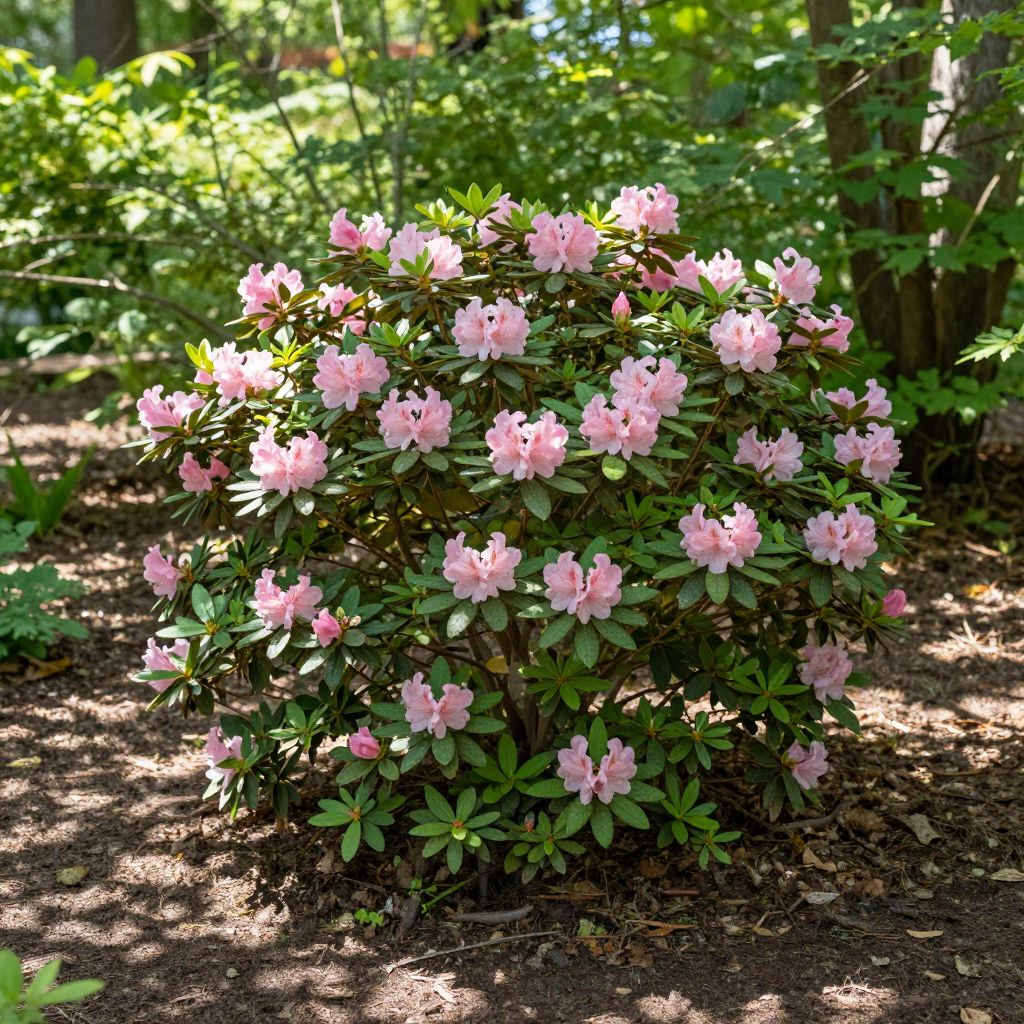
Do azaleas need full sun? Not usually. Most azaleas grow best in partial shade or filtered light, especially in hot climates, where too much direct sun can scorch leaves and stress blooms. The right amount of light depends on your variety, local climate, soil moisture, and how much afternoon heat your garden gets.
If you match the plant to the site, azaleas can give you strong flowering, healthy foliage, and a long-lived shrub. The key is not “more sun at all costs,” but the right balance of light, drainage, and moisture.
Do azaleas need full sun?
Azaleas do not need full sun, and many perform better with morning sun and afternoon shade. In cooler regions, some azaleas can take more sun, but in warm or exposed sites, full sun often leads to leaf scorch, faster drying soil, and shorter bloom life. Aim for bright light without harsh afternoon exposure.
How much sun is best for azaleas?
Most azaleas do well with about 4 to 6 hours of sun, preferably morning sun, plus light shade later in the day. Dappled shade under tall trees or on the east side of a house is often ideal. In cooler climates, they may tolerate more direct sun if the soil stays evenly moist.
Morning sun vs. afternoon sun
- Morning sun: Usually the safest and most useful light for azaleas.
- Afternoon sun: More intense and drying, especially in summer.
- Filtered light: Often the best balance for leaf color, bloom quality, and moisture retention.
If your azalea gets some direct sun, the plant should still look healthy by midseason. If leaves curl, bronzed edges appear, or buds dry out before opening, the site may be too hot or too exposed.
What happens if azaleas get too much sun?
Too much sun can stress azaleas quickly, especially when combined with dry soil or reflected heat from walls, pavement, or stone. You may see leaf scorch, smaller blooms, wilting in the afternoon, and premature leaf drop. Young plants are especially vulnerable because their roots are still shallow and less established.
Common signs of sun stress
- Brown or bleached leaf edges
- Leaves curling inward during hot afternoons
- Blooms fading quickly
- Soil drying out too fast
- Stunted growth or sparse flowering
Sun stress can look like drought stress, and often the two happen together. If the plant is in full sun, check the soil before assuming the problem is only watering.
Can azaleas grow in full sun?
Some azaleas can grow in full sun, but only in the right conditions. Cooler climates, consistently moist but well-drained soil, and varieties known for sun tolerance all help. Even then, full sun is usually best only when the plant is not exposed to extreme afternoon heat or drying winds.
When full sun may work
- You garden in a cooler region with mild summers
- The plant receives regular moisture and mulch
- The soil drains well but does not dry out quickly
- The azalea gets some relief from midday or late-afternoon heat
In hot climates, full sun is usually too much unless the site is unusually protected. If you are unsure, start with a part-shade location and watch how the plant responds over a season.
Best growing conditions for azaleas
Sunlight matters, but azaleas also need the right soil and moisture to thrive. They prefer acidic, organic-rich soil that drains well and holds steady moisture. Heavy clay, compacted soil, and standing water can weaken roots and make the plant more sensitive to sun and heat.
Soil and drainage
- Soil pH: Slightly acidic soil is best for most azaleas.
- Texture: Loose, humus-rich soil supports fine roots.
- Drainage: Good drainage is essential; soggy roots can rot.
Before planting, improve the bed with compost if needed, but avoid making the planting hole a “bathtub” of amended soil in heavy clay. It is better to widen the planting area and build a broad, well-drained root zone than to create a pocket that traps water.
Mulch matters
A 2 to 3 inch layer of organic mulch helps keep roots cool, reduces water loss, and buffers soil temperature. Keep mulch a few inches away from the stems so moisture does not collect against the bark.
How to choose the right spot for azaleas
The best planting site gives azaleas bright light without harsh exposure. Look for a place with morning sun, afternoon shade, and protection from hot reflected light. A spot beneath open tree canopy, beside a north- or east-facing wall, or in a lightly shaded border often works well.
Site checklist before planting
- Observe the area at different times of day.
- Check whether the soil stays moist but not wet.
- Avoid scorching heat from concrete, brick, or south-facing walls in warm climates.
- Make sure nearby trees will not compete too heavily for water.
- Confirm the site has room for the shrub to mature.
If you already planted azaleas in too much sun, you may be able to reduce stress with temporary shade cloth, a nearby companion shrub, or better mulching and watering. For established plants, gradual improvement is usually better than a sudden move.
Watering azaleas in sunny locations
Azaleas in brighter sites need closer attention to moisture because sun and wind dry the soil faster. Water deeply when the top layer of soil begins to dry, but do not keep the root zone constantly soggy. The goal is even moisture, not saturation.
Watering tips that help
- Water at the base of the plant, not over the foliage.
- Check soil with your finger before watering.
- Water more often during hot, windy, or dry spells.
- Use mulch to slow evaporation.
Container-grown azaleas dry out faster than in-ground plants and may need more frequent checks, especially in sun. Pots should never sit in standing water, but they should not dry out completely either.
Pruning and maintenance for better light balance
Light pruning can help azaleas keep a healthy shape and prevent dense growth from shading itself too much. Prune soon after flowering, since many azaleas set next season’s buds later in the year. Avoid heavy pruning in late summer or fall, which can reduce blooms.
Simple pruning goals
- Remove dead, damaged, or crossing branches
- Thin crowded growth lightly for airflow
- Shape the shrub without cutting it back too hard
Do not shear azaleas into a tight hedge unless that is your intended style and you are willing to maintain it. Overly dense growth can trap humidity and reduce flower production inside the shrub.
Common azalea problems linked to too much sun
Sun exposure can make other issues worse, especially pests and disease. A stressed azalea is more likely to struggle with lace bugs, spider mites, and leaf scorch. Poor drainage plus heat can also increase root problems.
Pests and diseases to watch for
- Lace bugs: Cause pale, stippled leaves, often worse in sunny, dry sites.
- Spider mites: More common in hot, dry conditions.
- Leaf scorch: Browning from heat, wind, or drought stress.
- Root rot: Often linked to poor drainage rather than sun alone.
If you see leaf damage, inspect the underside of leaves and check soil moisture before treating anything. Many azalea problems improve when the plant is moved to better light and given steadier moisture.
How to tell whether your azalea needs more or less sun
Healthy azaleas usually have good leaf color, steady growth, and reliable flowering. If the plant blooms well but the leaves scorch, it likely needs less direct sun. If it grows leggy, flowers poorly, and leans toward the light, it may need a brighter site.
Use these clues
- Too much sun: Scorch, wilting, faded blooms, dry soil, leaf drop
- Too little sun: Sparse flowers, weak growth, stretched stems
- Just right: Compact growth, healthy foliage, and strong bloom display
Season matters too. A site that works in spring may become too harsh in midsummer. Watch how the plant performs during the hottest part of the year, not just when it is in bloom.
Propagation and transplanting considerations
If you want to move or propagate azaleas, light conditions still matter. Young cuttings and newly transplanted shrubs are more sensitive to sun stress than established plants. They do best in sheltered, bright shade while roots form or recover.
After transplanting, protect the plant from strong afternoon sun for several weeks if possible. Keep the root ball evenly moist and avoid fertilizing until the plant is showing active new growth.
Practical mistakes to avoid
- Planting azaleas in hot, reflected sun near walls or pavement
- Letting the soil dry out completely between waterings
- Using heavy, poorly drained soil without correction
- Mulching too deeply or piling mulch against the stems
- Pruning at the wrong time and removing flower buds
These mistakes often combine. For example, an azalea in full sun with shallow roots and thin mulch may look fine in spring but decline fast in summer.
Conclusion: the best answer for azalea light needs
So, do azaleas need full sun? No—most do better with morning sun and afternoon shade or filtered light. If you want healthy azaleas, focus on a bright but protected site, acidic well-drained soil, steady moisture, and mulch. Check your plant’s leaves and blooms this season, then adjust its light or watering if needed.
For more help with shrub care and shade-tolerant planting ideas, you may also want to read related gardening guides on choosing the best spot for flowering shrubs and improving acidic soil for landscape plants.