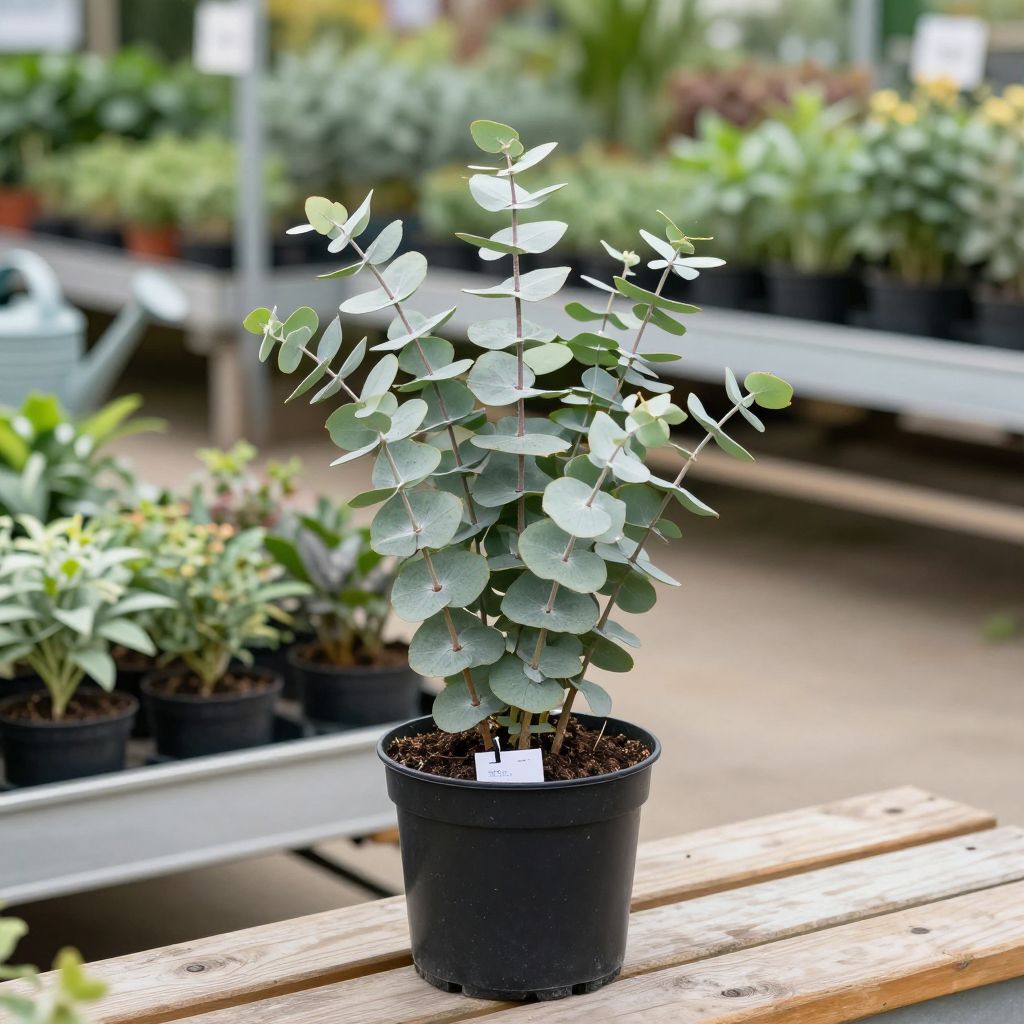
Looking for the best place to buy a eucalyptus plant? The right source depends on whether you want a small potted plant, a landscape tree, or a specific species for fragrance, foliage, or container growing.
You can find eucalyptus at local nurseries, garden centers, reputable online plant retailers, and sometimes specialty native-plant growers. The best choice is usually a healthy, well-rooted plant with clear labeling, suited to your climate and the space you have available.
Where to buy eucalyptus plant?
The best places to buy eucalyptus plants are local nurseries, garden centers, and trusted online sellers that clearly list the species, pot size, and growing requirements. Choose a plant with firm stems, healthy leaves, and no signs of pests or root stress. If possible, buy locally so you can pick a variety suited to your climate.
Best places to buy eucalyptus plants
Local nurseries
Local nurseries are often the safest place to start because you can inspect the plant before you buy it. Staff may also help you choose a eucalyptus species that fits your region, whether you want a compact container plant or a larger outdoor specimen.
Buying locally is especially useful if you live in a climate with cold winters, hot dry summers, or strong wind. A nursery that grows plants for your area is more likely to stock eucalyptus types that can handle local conditions.
Garden centers and home improvement stores
Big-box garden centers often carry eucalyptus seasonally, especially in spring and early summer. These plants are usually easy to find and affordable, but quality can vary, so inspect each one carefully.
Look for plants that have been watered properly, have not sat in standing water, and are not rootbound. If the plant looks stressed on the shelf, it may need extra recovery time after you bring it home.
Online plant retailers
Online shops are a good option if local stores do not carry the species you want. They can offer a wider selection, including smaller or more unusual eucalyptus types, but you cannot inspect the plant in person.
Choose sellers that provide clear photos, botanical names, shipping details, and care information. Read reviews carefully, and make sure the plant will be shipped at a time of year when your weather will not damage it in transit.
Specialty native-plant and tree nurseries
Specialty nurseries are often the best source if you want a specific eucalyptus for landscaping or habitat planting. They may offer better guidance on mature size, pruning, and local performance than general retailers.
If you are planting outdoors, this is often the smartest place to buy because eucalyptus can become large quickly. A knowledgeable nursery can help you avoid choosing a tree that will outgrow your yard.
How to choose a healthy eucalyptus plant
What to inspect before buying
- Leaves: Look for even color and firm texture. Avoid plants with heavy yellowing, spotting, or crispy edges.
- Stems: They should be sturdy, not shriveled or soft.
- Roots: If the plant is slipping out of the pot, roots should be white or light tan, not dark and mushy.
- Soil: It should be moist but not sour-smelling or waterlogged.
- Pests: Check for aphids, scale, spider mites, and sticky residue on leaves or stems.
If the plant is in a small pot and the roots are circling tightly, it may be rootbound. That is not always a deal-breaker, but it means you should plan to repot soon after purchase.
Choose the right species for your goal
Eucalyptus is a large group of plants, and not all types behave the same way. Some are best for cut foliage, some for containers, and some for warm-climate landscapes.
- For indoor or patio growing: Look for smaller, more manageable types sold for containers.
- For landscaping: Check mature height and spread before buying.
- For cut foliage: Ask whether the plant is suitable for regular pruning and leaf harvest.
Always confirm the botanical name if you can. “Eucalyptus” alone is too broad to tell you how large the plant will get or how it will perform in your garden.
What eucalyptus needs to grow well
Sunlight
Eucalyptus generally grows best in full sun. Outdoors, that usually means at least 6 hours of direct sunlight daily, though more is often better in cooler climates.
Indoors, eucalyptus is difficult to keep long term unless you have extremely bright light, such as a sunny conservatory or a strong grow-light setup. A bright windowsill is often not enough for vigorous growth.
Soil and drainage
Good drainage is one of the most important factors for eucalyptus health. These plants dislike soggy soil and can decline quickly if roots stay wet.
Use a free-draining potting mix for containers, or plant in well-drained garden soil. If your soil is heavy clay, improve the planting area with organic matter and consider planting on a slight mound to help water move away from the roots.
Watering
Young eucalyptus plants need regular watering while they establish, but the soil should still dry slightly between waterings. Established plants are usually more drought-tolerant, especially outdoors in the ground.
Check the soil with your finger before watering. If the top few centimeters feel dry, water deeply; if it still feels moist, wait. Overwatering is a more common problem than underwatering in containers.
How to plant eucalyptus after you buy it
- Choose a spot with full sun and well-drained soil.
- Water the plant in its pot before planting so the root ball is evenly moist.
- Dig a hole slightly wider than the pot, but no deeper than the root ball.
- Remove the plant carefully and loosen any tightly circling roots.
- Set the plant so the top of the root ball is level with the surrounding soil.
- Backfill, firm lightly, and water thoroughly to settle the soil.
- Add mulch around the base, but keep it a few centimeters away from the stem.
Do not bury the stem deeper than it was in the pot. Planting too deeply can encourage rot and reduce airflow around the crown.
Growing eucalyptus in containers
Container growing is a practical option if your climate is too cold for eucalyptus outdoors year-round. It also gives you more control over soil, drainage, and plant size.
Container basics
- Use a pot with drainage holes.
- Choose a container large enough to support root growth.
- Use a light, free-draining potting mix.
- Place the pot where it gets strong light and good airflow.
Repot when roots fill the container or growth slows noticeably. If you are growing eucalyptus for foliage, regular pruning can help keep the plant compact, but it still needs enough root space to stay healthy.
Common problems after purchase
Leaves dropping after moving the plant
Some leaf drop can happen when eucalyptus adjusts to a new location, especially if light, temperature, or watering changes suddenly. Keep conditions steady and avoid overwatering while the plant settles in.
Yellowing leaves
Yellow leaves often point to poor drainage, too much water, or low light. Check the pot and soil first, because root stress is a common cause.
Pests
Spider mites, aphids, and scale can affect eucalyptus, especially indoors or in sheltered spots. Inspect the undersides of leaves and stems regularly, and isolate a newly purchased plant if you already grow other houseplants.
If you spot pests early, rinse the plant gently and remove heavily infested growth if needed. For persistent problems, use a treatment appropriate for the pest and follow the label directions carefully.
When to buy eucalyptus
The best time to buy eucalyptus is when you can plant or repot it soon after purchase. In many areas, spring and early summer are convenient because the plant can settle in during active growth.
If you live in a hot climate, avoid buying a stressed plant during extreme heat unless you can provide immediate shade and consistent moisture. In colder regions, buy early enough to establish the plant before frost, or keep it in a container until conditions improve.
Tips for getting the best value
- Compare the mature size, not just the pot price.
- Ask whether the plant has been hardened off for outdoor growing.
- Check whether shipping costs make online plants more expensive than local ones.
- Choose a healthy smaller plant over a larger stressed one.
- Buy from sellers who identify the species clearly.
A smaller, healthy eucalyptus often establishes better than a bargain plant that is rootbound, sunburned, or poorly labeled. In the long run, plant quality matters more than size.
Final advice before you buy
If you are wondering where to buy eucalyptus plant material, start with a local nursery whenever possible, then compare trusted online sellers if you need a specific species. Focus on plant health, drainage, and mature size, and make sure the variety suits your climate and growing space.
For more practical plant-buying guidance, you may also want to read about choosing container plants and improving garden drainage before you bring your eucalyptus home.