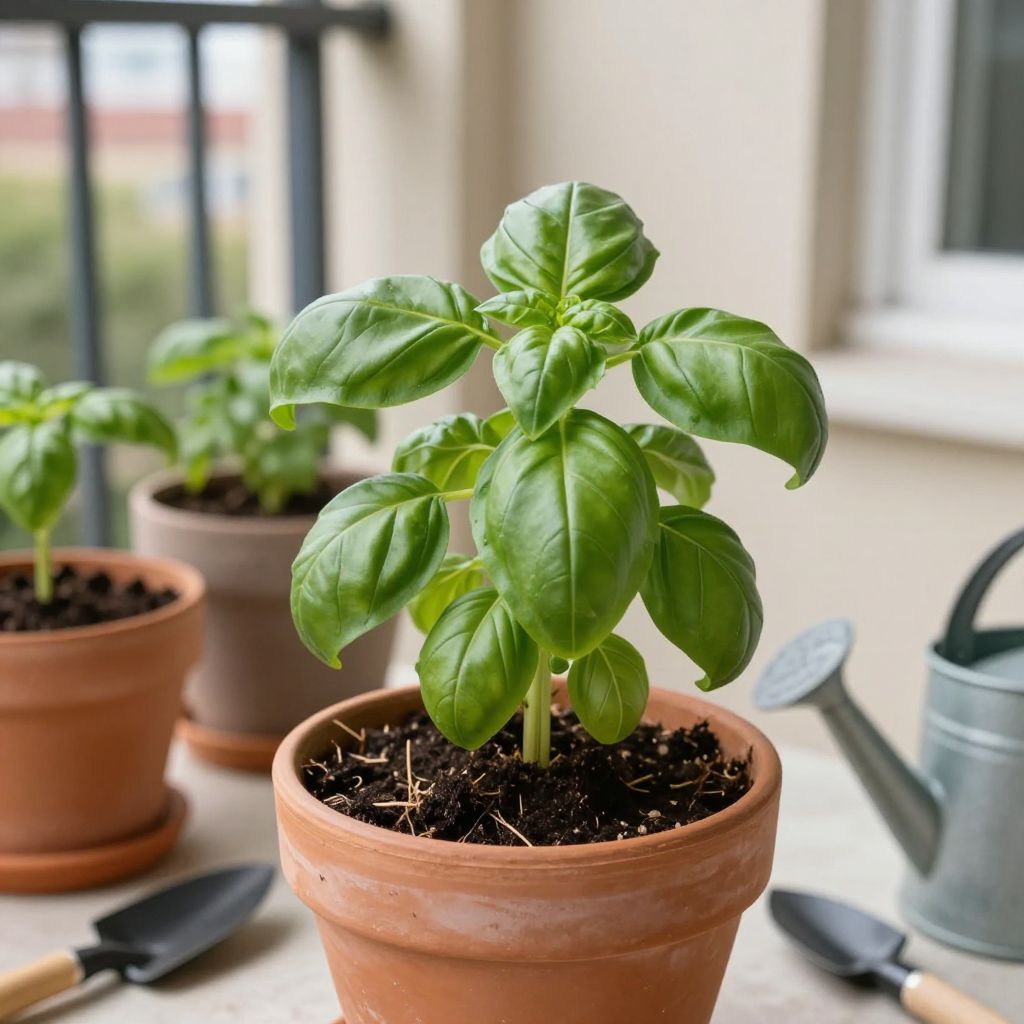
Trying to “grow where you are planted” usually means making the most of the space, light, soil, and climate you already have. In gardening terms, that means choosing plants and care routines that fit your site instead of fighting it.
The good news is that most gardens can be improved with a few practical adjustments. If you match the right plant to the right place, you’ll spend less time rescuing stressed plants and more time enjoying steady growth.
How do you grow where you are planted?
Start by working with your garden’s real conditions: sunlight, soil type, drainage, wind, and climate. Choose plants that suit those conditions, improve the soil where needed, water deeply but not constantly, and place each plant where it has enough room and light to mature well.
Know your site before you plant
Before buying anything, observe the space for a few days. A bed that looks sunny in the morning may be shaded by afternoon, and a low spot may stay wet after rain.
Check these basics first
- Sunlight: Count how many hours of direct sun the area gets.
- Drainage: See whether water disappears quickly or lingers after rain or watering.
- Soil texture: Notice if it feels sandy, sticky and clay-like, or loose and crumbly.
- Exposure: Watch for wind, reflected heat from walls, or frost pockets.
- Space: Measure the planting area and think about mature plant size, not just the nursery pot.
This simple assessment helps you avoid one of the biggest gardening mistakes: forcing a plant into conditions it does not like. A shade plant in full afternoon sun, or a drought-tolerant plant in soggy soil, will struggle no matter how much you pamper it.
Choose plants that fit your conditions
The easiest way to succeed is to match the plant to the place. If your yard is hot and dry, pick plants that tolerate heat and lean soil. If your site is damp or shaded, choose plants that naturally prefer those conditions.
Match plant needs to your garden
- Full sun: Best for many vegetables, herbs, and flowering plants that need 6 or more hours of direct sun.
- Part shade: Good for plants that prefer morning sun and afternoon shade, or dappled light.
- Shade: Suits woodland plants, some ferns, and certain foliage plants.
- Dry soil: Works for plants adapted to fast drainage and lower moisture.
- Moist soil: Better for plants that like consistent moisture but still need oxygen around the roots.
If you are unsure, look for plants described as “tolerant” rather than “dependent” on a condition. For example, a plant that tolerates clay soil or partial shade will usually be more forgiving than one that demands perfect conditions.
Improve the soil you already have
Healthy soil is the foundation of growing well where you are planted. You do not need perfect soil, but you do need soil that holds enough moisture, drains excess water, and supports roots.
Simple soil improvements
- Work in compost to improve structure and add organic matter.
- Keep soil covered with mulch to reduce evaporation and erosion.
- Avoid walking on planting beds, which compacts soil and reduces root growth.
- If soil is very heavy clay, improve it gradually over time rather than trying to “fix” it all at once.
Compost is especially useful because it helps both sandy and clay soils. In sandy soil, it improves water retention; in clay soil, it helps loosen the structure and support drainage.
Drainage matters as much as fertility
Many plants fail because their roots sit in waterlogged soil. If water pools for hours after rain, consider raised beds, mounding the planting area, or growing in containers with drainage holes.
Do not add gravel to the bottom of pots as a drainage fix. A well-draining potting mix and a container with open holes work better.
Planting tips for better establishment
Whether you are planting shrubs, perennials, vegetables, or container plants, the first few weeks matter most. Good planting technique reduces transplant shock and helps roots spread into the surrounding soil.
Basic planting steps
- Dig a hole as deep as the root ball and wider than the pot.
- Loosen circling roots gently before planting.
- Set the plant at the same depth it was growing in the container, unless the plant type needs otherwise.
- Backfill with the native soil you removed, mixing in compost only if appropriate for your site and plant.
- Water thoroughly to settle soil around the roots.
- Mulch around the plant, keeping mulch a few inches away from stems or trunks.
Avoid burying the crown or trunk flare. Planting too deep is a common cause of decline, especially in shrubs and trees. Roots need oxygen, and stems buried in wet soil can rot.
Watering: deep, steady, and adjusted to conditions
New plants need regular moisture while they establish, but the exact schedule depends on weather, soil, plant size, and season. A cool, cloudy week requires less watering than a hot, windy one.
How to water wisely
- Water deeply so moisture reaches the root zone.
- Check the soil before watering again; the top layer may dry faster than the roots below.
- Water early in the day when possible, especially in humid climates.
- Use drip irrigation, a soaker hose, or a watering wand to target the soil rather than the leaves.
For containers, soil dries faster than in-ground beds, especially in sun and wind. Pots may need more frequent attention, but still benefit from thorough watering rather than tiny sips.
Signs of overwatering and underwatering
- Overwatering: Yellowing leaves, limp growth, soggy soil, fungus gnats in containers, or root rot.
- Underwatering: Wilting, crispy leaf edges, dry soil pulling away from the pot, or poor flowering and fruiting.
Sunlight and placement: put each plant in the right spot
Light is one of the easiest things to get wrong. Even a plant that can survive in less-than-ideal light may not flower, fruit, or grow vigorously without enough sun.
Placement matters
- Put sun-lovers where they receive the most direct light.
- Use taller plants or structures to create shade for plants that prefer cooler conditions.
- In very hot climates, some afternoon shade can protect tender plants from stress.
- Indoors, rotate houseplants regularly so they grow evenly toward the light.
If your garden has mixed light, use it strategically. Reserve the brightest spots for vegetables and flowering plants that need strong light, and use partial-shade areas for leafy greens, shade perennials, or plants that scorch in intense sun.
Feeding plants without overdoing it
Healthy soil often reduces the need for heavy fertilizing. Many gardens do better with regular compost and light feeding than with frequent high-dose fertilizer.
When to fertilize
- Feed actively growing plants if they show pale color or weak growth and soil is otherwise healthy.
- Avoid fertilizing drought-stressed or newly planted specimens too heavily.
- Use a fertilizer suited to the plant type, such as a balanced product for general use or a lower-nitrogen option when flowering is the goal.
Too much fertilizer can push soft, weak growth and increase pest problems. It can also burn roots, especially in containers. When in doubt, underfeed rather than overfeed and let the plant tell you what it needs.
Pruning and maintenance for stronger growth
Regular maintenance helps plants adapt to their site instead of becoming crowded, leggy, or diseased. The goal is not constant cutting, but timely cleanup and shaping.
Useful maintenance habits
- Remove dead, damaged, or diseased growth promptly.
- Pinch or trim young plants to encourage branching when appropriate.
- Thin crowded growth to improve airflow.
- Deadhead flowers if the plant benefits from it and if you want longer bloom.
Good airflow is especially important in humid climates, where crowded foliage can stay wet and invite fungal disease. Keep plants spaced according to their mature size, not their size at planting.
Common problems and how to fix them
When a plant struggles, the cause is often environmental rather than mysterious. Start by checking light, water, and drainage before assuming disease or pests.
Typical issues
- Leggy growth: Usually too little light. Move the plant or thin nearby shade.
- Yellow leaves: Can signal overwatering, poor drainage, nutrient issues, or natural aging.
- Leaf scorch: Often caused by too much sun, heat, wind, or inconsistent watering.
- Poor flowering or fruiting: May result from insufficient sun, excess nitrogen, or pruning at the wrong time.
- Stunted growth: Often linked to compacted soil, root restriction, or persistent moisture stress.
Pests and diseases
Plants under stress are more likely to attract pests or develop disease. Watch for aphids, spider mites, slugs, powdery mildew, and root rot, depending on the plant and climate.
Practical first steps include removing badly affected leaves, improving airflow, washing pests off with water when appropriate, and correcting the growing conditions that made the plant vulnerable.
Growing in containers when the ground is not ideal
Containers are a smart way to grow where you are planted if your native soil is poor, your space is small, or your garden gets only a patio or balcony. They also let you control drainage and move plants as light changes through the season.
Container basics
- Use pots with drainage holes.
- Choose a high-quality potting mix, not garden soil.
- Match pot size to the plant’s mature root system.
- Check containers more often in hot or windy weather.
Containers dry out faster than beds and can overheat in full sun. If roots seem stressed, consider a larger pot, lighter-colored containers, or afternoon shade.
Seasonal adjustments make a big difference
Gardening is never static. The same spot can behave differently in spring, summer, fall, and winter, so successful gardeners adjust their care through the year.
What to watch through the seasons
- Spring: Soil may stay cold and wet longer than expected.
- Summer: Heat and evaporation increase watering needs.
- Fall: Cooler temperatures can slow growth and reduce water use.
- Winter: Dormant plants need less water, but evergreens and containers may still dry out.
In cold climates, winter heaving and freeze-thaw cycles can disturb roots. Mulch helps moderate temperature swings, but keep it loose and not piled against stems or trunks.
Conclusion: work with your garden, not against it
To grow where you are planted, start with observation, choose plants that fit your site, and improve the soil and watering habits you can control. Small changes in placement, drainage, and mulch often make a bigger difference than constant feeding or rescue treatments.
If you want to keep building a healthier garden, a good next step is reading more about soil improvement and compost basics and how to choose the right plant for sun, shade, and soil.