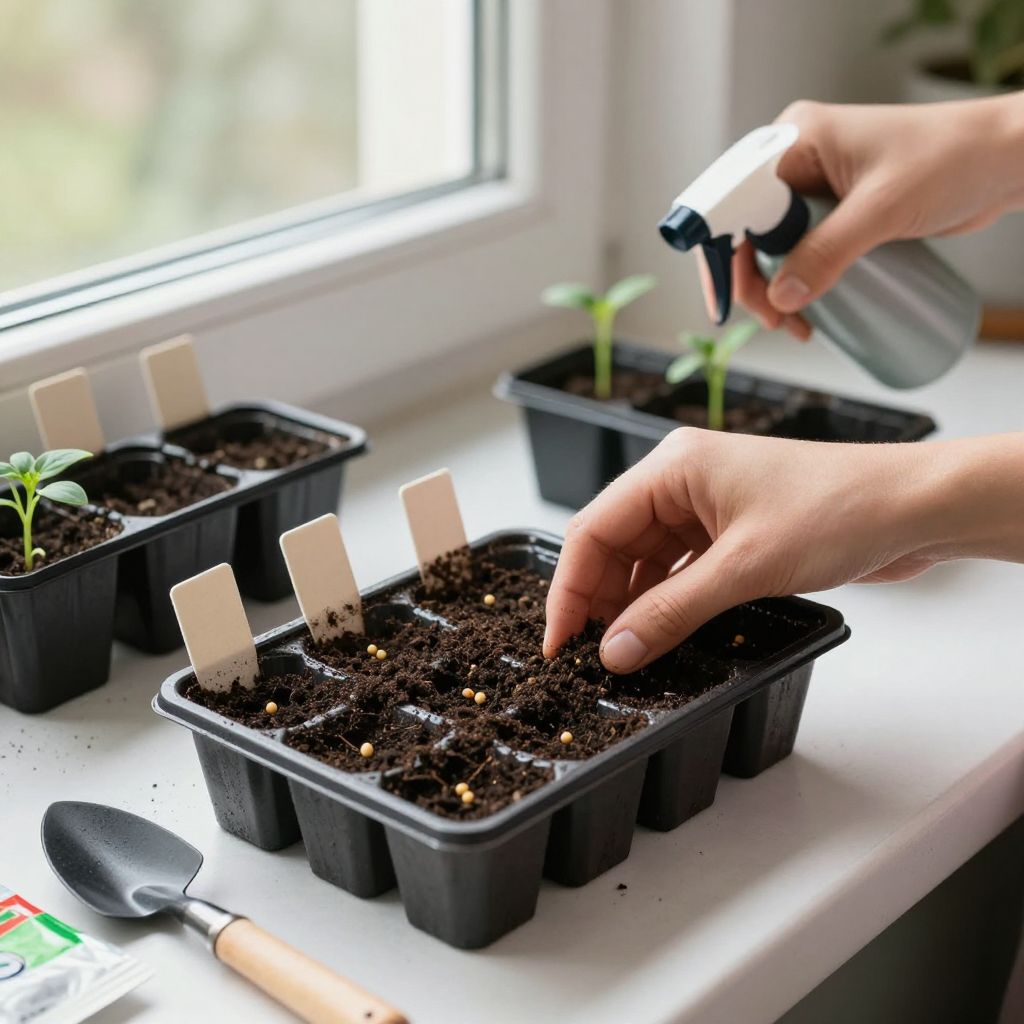
If you’re wondering when to start pepper seeds indoors, timing matters more than almost anything else. Peppers are slow starters, and beginning them too late can leave you with small plants and a short harvest window.
The right indoor sowing date depends on your last frost date, your climate, and the pepper variety you’re growing. With a little planning, you can give peppers a strong start and transplant sturdy seedlings outdoors at the right time.
When to start pepper seeds indoors?
Start pepper seeds indoors about 8 to 12 weeks before your average last spring frost date. Hot peppers often benefit from the longer end of that range because they grow more slowly, while some sweet peppers can be started closer to 8 weeks before transplanting.
How to time pepper seed starting for your climate
The safest way to choose your sowing date is to count backward from your local last frost date. Peppers are warm-season crops, and young plants should not go outside until nights are reliably mild and the soil has warmed.
Use your frost date as the anchor
Find your average last frost date, then count back 8 to 12 weeks. That gives you your indoor seed-starting window.
- Cooler climates: Start on the earlier side if spring is short and outdoor planting is delayed.
- Mild climates: You may still start indoors, but your window may be shorter because outdoor conditions arrive sooner.
- Short-season gardeners: Starting too late can reduce yield, especially for slow-maturing peppers.
Match timing to pepper type
Different peppers germinate and grow at different speeds. Sweet peppers usually establish a little faster than many hot peppers, but both appreciate an early indoor start.
- Bell and sweet peppers: Often 8 to 10 weeks before transplanting.
- Hot peppers: Often 10 to 12 weeks before transplanting.
- Very slow or large-fruited varieties: Sometimes need the full 12 weeks or a bit more indoors.
Why peppers need an early indoor start
Peppers need warmth to germinate and a long season to produce well. In many gardens, outdoor conditions simply aren’t warm enough early in spring for direct sowing to work reliably.
Starting seeds indoors gives you control over temperature, moisture, and light. It also helps seedlings develop before they face wind, cold nights, pests, and fluctuating weather outdoors.
What happens if you start too late?
Late-started peppers may still grow, but they often stay small longer, flower later, and produce fewer ripe fruits before autumn cools things down. That’s especially true in regions with a short growing season.
What happens if you start too early?
Starting too early can create leggy, root-bound seedlings that outgrow their containers before transplant time. Overgrown plants often struggle more after moving outside, even if they look large and impressive indoors.
Best indoor conditions for pepper seedlings
Good timing is only part of the equation. Pepper seeds also need steady warmth, moisture, and strong light to grow into healthy transplants.
Temperature for germination
Peppers germinate best in warm soil, typically around 75 to 85°F. Cooler conditions slow sprouting and can lead to uneven germination.
- Use a heat mat if your room is cool.
- Keep seed trays in a consistently warm spot.
- Remove the heat source once most seeds have sprouted.
Light after sprouting
Once seedlings emerge, they need bright light right away. A sunny windowsill is often not enough on its own, especially in early spring.
- Use grow lights if possible.
- Keep lights close to the seedlings, adjusting as they grow.
- Provide 14 to 16 hours of light daily for sturdy growth.
Moisture and airflow
Keep the seed-starting mix evenly moist, not soggy. Good airflow helps reduce damping off and other seedling diseases.
- Cover trays lightly until germination if needed, then remove covers.
- Water from the bottom when possible to avoid disturbing seedlings.
- Let the surface dry slightly between waterings, but never let seedlings wilt.
How to start pepper seeds indoors step by step
Peppers are straightforward to start indoors if you give them warmth and patience. A good setup matters more than fancy equipment.
- Choose your sowing date by counting back 8 to 12 weeks from your last frost date.
- Use clean containers with drainage holes, such as seed trays, cell packs, or small pots.
- Fill with a fine seed-starting mix rather than heavy garden soil.
- Sow seeds shallowly, about 1/4 inch deep, and cover lightly.
- Water gently so the mix is moist but not waterlogged.
- Keep warm until germination, then move seedlings under bright light.
- Thin or pot up if seedlings become crowded.
- Harden off gradually before planting outdoors.
Choosing containers and mix
A light, sterile seed-starting mix helps prevent disease and makes it easier for tender roots to grow. Avoid dense garden soil, which can compact and stay too wet indoors.
How deep to plant pepper seeds
Plant seeds shallowly, usually about 1/4 inch deep. Planting too deeply can slow emergence, especially if the mix is cool or heavy.
When to transplant pepper seedlings outdoors
Move peppers outside only after frost danger has passed and nighttime temperatures are consistently mild. Soil warmth matters too, because cold soil can stall growth even if the air feels pleasant.
Signs your seedlings are ready
- They have several true leaves.
- Stems are sturdy, not thin and stretched.
- Roots are filling the container but not circling heavily.
- Outdoor temperatures are suitable for warm-season growth.
Hardening off matters
Before transplanting, acclimate seedlings to outdoor conditions over 7 to 10 days. Start with a few hours in shade and sheltered conditions, then gradually increase sun and exposure.
Do not rush peppers outdoors. A brief cold snap can set them back for weeks, especially if they are still small or recently transplanted.
Common mistakes when starting pepper seeds indoors
Most pepper-starting problems come from timing, temperature, or light. Fortunately, they’re usually easy to correct once you know what to look for.
Starting too early
If seedlings are large long before transplant time, they may become root-bound or stressed. If this happens, move them into slightly larger pots and keep them growing steadily, but avoid overwatering.
Not enough warmth
Cool conditions can delay germination for weeks. If seeds are slow to sprout, check the temperature before assuming the seed is bad.
Insufficient light
Leggy seedlings usually mean the light is too weak or too far away. Stronger light and closer placement help produce compact, transplant-ready plants.
Overwatering
Constantly wet mix can lead to damping off and weak roots. Let the surface begin to dry slightly between waterings and make sure containers drain well.
How to troubleshoot slow or uneven germination
Peppers can be slower than many vegetables, so patience is important. Some varieties sprout in a week or two, while others take longer even under good conditions.
- Check temperature first: Warmth is the most common missing piece.
- Keep the mix evenly moist: Drying out can stop germination.
- Be patient: Some seeds simply take longer than others.
- Resow only if needed: If nothing has emerged after a long delay and conditions were poor, a second sowing may be worthwhile.
Growing on healthy pepper seedlings indoors
Once seedlings are up, the goal is steady growth without forcing them. Slow, balanced growth usually produces better transplants than fast, floppy growth.
Potting up
If seedlings outgrow their cells, move them into slightly larger pots. Burying the stem a little deeper can help support the plant, as long as you keep the leaves above the soil line.
Feeding seedlings
After the first true leaves appear, some gardeners use a mild, balanced fertilizer at low strength if the seed-starting mix is low in nutrients. Follow the product label and avoid overfeeding, which can cause weak, lush growth.
Pruning and pinching
Young peppers usually do not need pruning indoors. Focus on strong stems, good light, and even growth rather than shaping them early.
When to start pepper seeds indoors if you don’t know your frost date
If you’re unsure of your last frost date, use local extension guidance, a regional planting calendar, or nearby gardeners’ experience as a starting point. Then adjust based on your own microclimate.
Gardens in sheltered urban areas may warm earlier than exposed rural sites. Low spots, windy yards, and shaded gardens often stay cooler longer, which can delay transplanting.
Simple timing checklist
Use this quick checklist to decide when to begin:
- Find your average last frost date.
- Count back 8 to 12 weeks.
- Use the longer window for hot peppers or slow varieties.
- Prepare lights, containers, and seed-starting mix before sowing.
- Plan to harden off seedlings before outdoor planting.
Conclusion
For most gardeners, the best answer to when to start pepper seeds indoors is 8 to 12 weeks before your last frost date, with the exact timing adjusted for your climate and pepper type. Start with warmth, strong light, and a realistic transplant date, and your seedlings will be much easier to grow.
If you’re planning the rest of your warm-season garden, you may also want to read more about seed starting basics and transplanting vegetables once your pepper seedlings are ready.