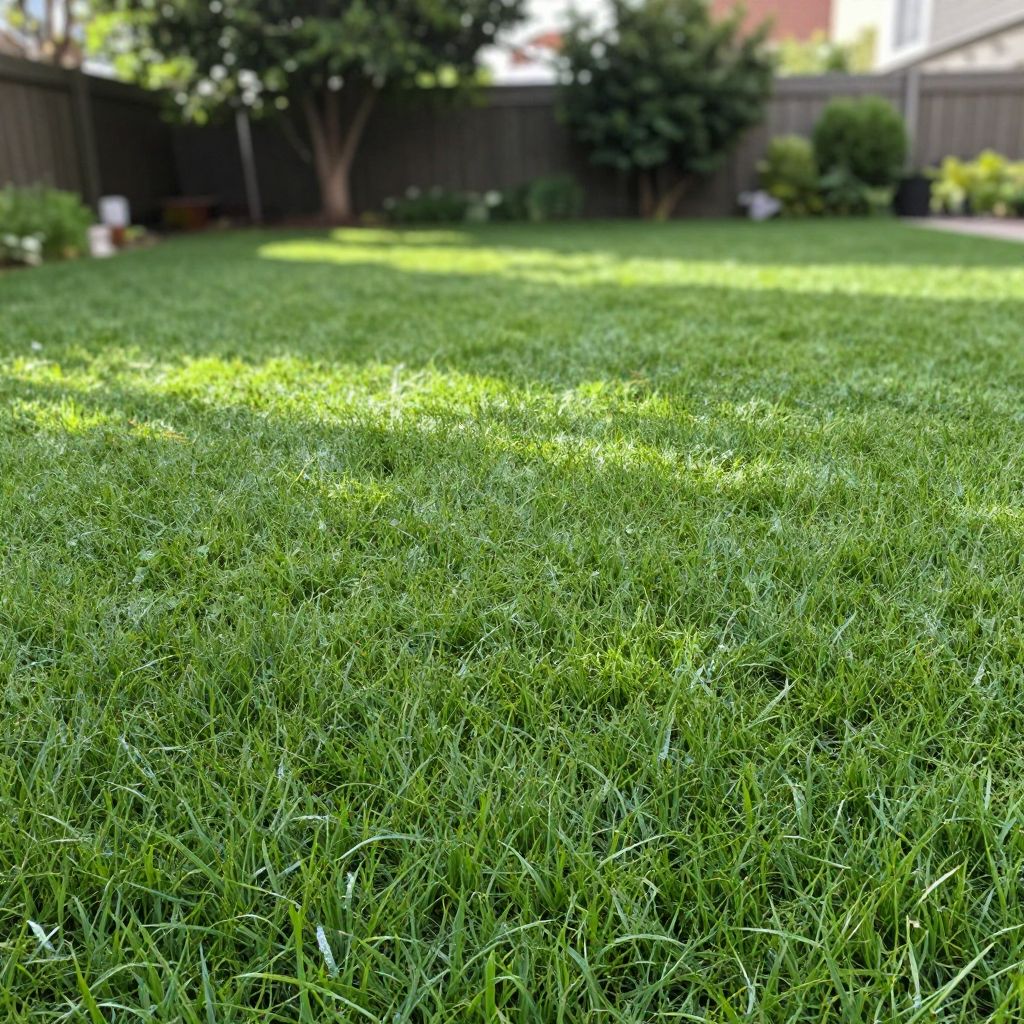
Does grass produce oxygen? Yes—grass, like all healthy green plants, releases oxygen during photosynthesis. If you have a lawn, meadow grass, or even potted ornamental grasses, those blades are working with sunlight, water, and carbon dioxide to make food and give off oxygen as a byproduct.
That said, the amount of oxygen a lawn produces depends on plant health, light levels, leaf area, and growing conditions. A dense, actively growing grass area does more than a thin, stressed patch, so good care matters if you want a vigorous, oxygen-producing lawn.
Does grass produce oxygen?
Yes. Grass produces oxygen when it photosynthesizes, mainly during daylight hours. Healthy grass also takes in carbon dioxide and stores energy in its leaves, stems, and roots. The better the grass is growing, the more efficiently it can photosynthesize and contribute oxygen to the air.
How grass makes oxygen
Grass uses sunlight to convert water and carbon dioxide into sugars for growth. Oxygen is released through the leaves as a natural byproduct of that process.
What affects oxygen production?
- Sunlight: More light usually means more photosynthesis.
- Leaf area: A thicker, greener lawn has more blade surface to capture light.
- Water supply: Drought-stressed grass slows down.
- Soil health: Good structure and nutrients support steady growth.
- Season: Cool-season and warm-season grasses are most active in their preferred temperatures.
At night, grass is still alive and uses oxygen for respiration, just like other plants. Over a full day, a healthy lawn is still a net oxygen producer because daytime photosynthesis outweighs nighttime respiration.
What kind of grass produces the most oxygen?
There is no single grass that “wins” in every garden. In general, any vigorous, well-maintained grass will photosynthesize well. A dense, actively growing lawn usually produces more oxygen than sparse turf, because it has more leaf surface and fewer bare spots.
Healthy growth matters more than species alone
If you are choosing grass for a yard, focus on picking a species suited to your climate, sun exposure, and soil. A grass that thrives in your conditions will usually outperform a poorly matched one, even if the latter is known for dense growth.
- Cool-season grasses grow best in cooler spring and fall weather.
- Warm-season grasses grow best in warmer months and may slow down in cool weather.
- Shaded lawns generally produce less than lawns grown in full sun.
How to grow grass so it stays healthy and productive
If your goal is a lawn that looks good and grows strongly, the basics matter most: the right grass, good soil, proper mowing, and watering that matches your climate. Strong grass is better able to photosynthesize, recover from stress, and fill in thin areas.
1. Start with the right site
Match the grass to your conditions before you plant. Sun exposure, soil drainage, and local climate are more important than trying to force a grass type into the wrong place.
- Choose sun-tolerant grass for open, bright areas.
- Choose shade-tolerant grass only where shade is unavoidable.
- Avoid grass in spots with chronic standing water unless drainage is improved.
2. Improve the soil before planting
Grass grows best in soil that drains well but still holds enough moisture for roots. If your soil is compacted or very poor, work in compost before seeding or laying sod.
- Loosen compacted soil to help roots spread.
- Mix in compost to improve structure and water retention.
- Level low spots that collect water.
Good soil helps grass root deeply, which makes it more resilient during heat, foot traffic, and dry spells.
3. Water deeply, not constantly
Grass usually does better with thorough watering that encourages deeper roots than with frequent light watering. Exact timing depends on weather, soil type, and whether the grass is newly seeded, newly sodded, or established.
- New grass needs consistent moisture near the surface.
- Established lawns usually need less frequent watering.
- Water early in the day when possible to reduce evaporation.
If the lawn looks dull, bluish-gray, or footprints remain visible after walking on it, it may be thirsty. If the soil stays soggy for long periods, reduce watering and check drainage.
4. Mow at the right height
Cutting grass too short weakens it and reduces leaf area for photosynthesis. A slightly taller lawn often stays greener and handles stress better.
- Never remove more than about one-third of the blade at one mowing.
- Keep mower blades sharp for clean cuts.
- Leave clippings on the lawn if they are short and dry enough to break down quickly.
Scalping a lawn is one of the fastest ways to reduce healthy growth. When grass is cut too low, it loses leaf area, dries out faster, and has less energy to recover.
5. Feed only when the lawn needs it
Grass benefits from nutrients, but too much fertilizer can cause weak, fast growth and increase disease risk. A soil test is the best way to know what your lawn actually needs.
- Use compost to gently improve soil over time.
- Apply fertilizer based on soil test results and grass type.
- Avoid heavy feeding during heat stress or drought.
Common problems that reduce oxygen production
When grass is stressed, it still produces oxygen, but less efficiently. Thin turf, yellowing, disease, and poor root growth all reduce the amount of healthy leaf surface available for photosynthesis.
Thin or bare areas
Bare patches mean less green tissue doing the work. Overseed thin areas when conditions are right for your grass type, and protect the new seedlings from drying out.
Shade
Too much shade reduces photosynthesis and often leads to weak, stretched grass. If shade is heavy, consider pruning nearby shrubs or trees, using a shade-tolerant grass, or replacing some lawn with a shade-friendly groundcover.
Compacted soil
Compaction limits root growth and reduces water and air movement in the soil. Aeration can help established lawns, especially in high-traffic areas.
Pests and disease
Insects and fungal diseases can damage leaves and roots, lowering the lawn’s ability to grow well. Watch for irregular brown patches, thinning, chewing damage, or sudden decline.
- Inspect damaged areas closely before treating.
- Correct watering and mowing issues first.
- Use targeted control only when you’ve identified the real problem.
Does grass in pots or containers produce oxygen too?
Yes. Ornamental grasses and small lawn grasses in containers also photosynthesize and release oxygen. Container-grown grass, however, is more dependent on you for water, drainage, and nutrients because the root space is limited.
Container care tips
- Use a pot with drainage holes.
- Choose a free-draining potting mix, not heavy garden soil.
- Water when the top layer of mix starts to dry, but do not let the pot sit in water.
- Place the container where it gets the light its grass type prefers.
Because containers dry out faster than in-ground soil, potted grass can become stressed quickly. Healthy roots and steady moisture are key if you want strong growth.
Best practices for a greener, healthier lawn
If you want your grass to stay vigorous, focus on steady, realistic maintenance rather than overdoing any one task. The goal is a lawn that can keep growing well through the season.
- Choose a grass suited to your climate and light conditions.
- Prepare soil with compost and fix drainage problems first.
- Water based on weather and soil moisture, not a rigid calendar.
- Mow high enough to protect leaf area and root health.
- Feed based on soil needs, not guesswork.
- Watch for thinning, pests, and disease before they spread.
Conclusion
So, does grass produce oxygen? Yes—and the healthiest lawns do it best. If you want your grass to stay productive, give it enough light, good soil, proper mowing, and water that matches your local conditions. Start by checking one stressed area in your yard today and improving the factor that is holding it back most.
For more practical lawn care help, you may also want to read about lawn care basics and how to improve garden soil.