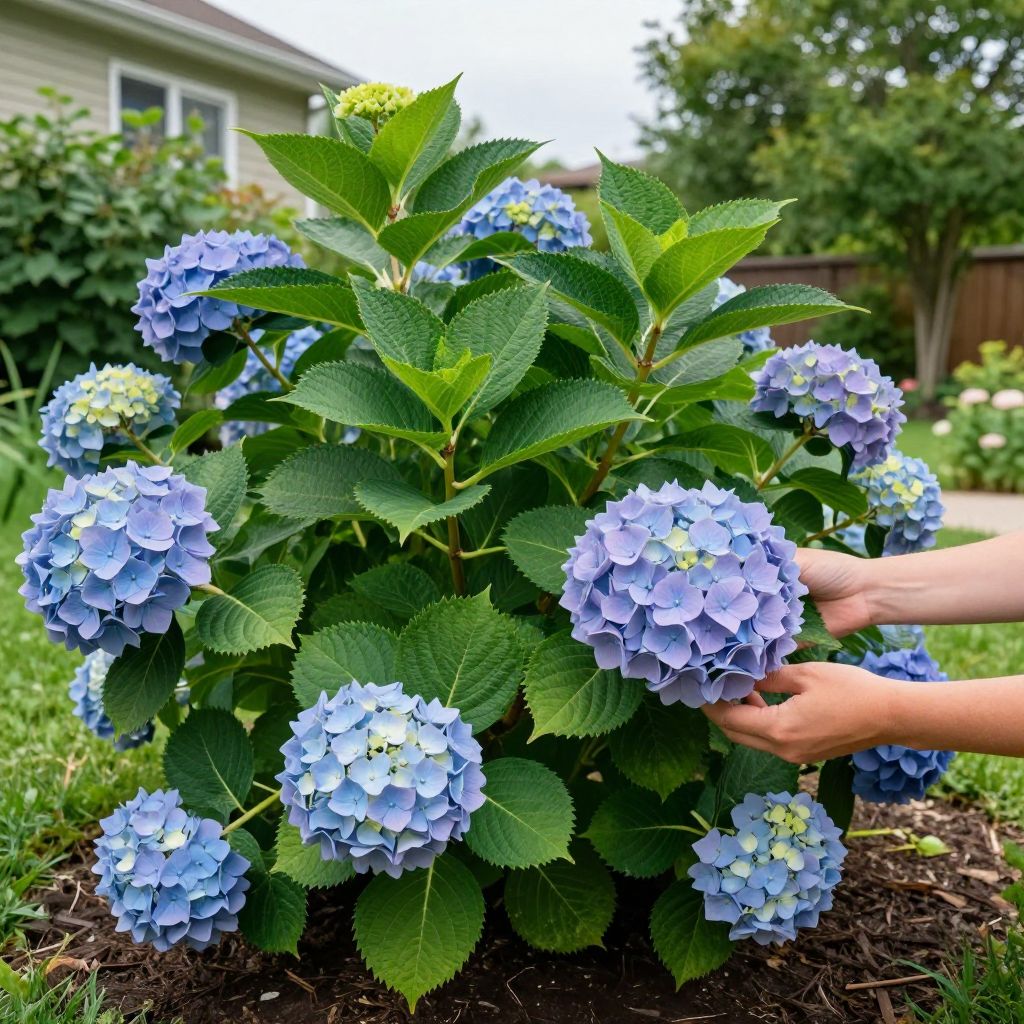
What kind of hydrangea do I have? The quickest way to tell is to look at the flower shape, leaf form, stem texture, and when the plant blooms. Most garden hydrangeas fall into a few main groups, and once you match those traits, you can usually identify your plant well enough to prune it correctly and care for it properly.
That matters because hydrangeas are not all pruned or treated the same. Some bloom on old wood, some on new wood, and some are more tolerant of sun, cold, or heavy pruning than others. A little identification work now can save you from cutting off next season’s flowers later.
What kind of hydrangea do I have?
The most common garden hydrangeas are bigleaf hydrangea (Hydrangea macrophylla), panicle hydrangea (Hydrangea paniculata), smooth hydrangea (Hydrangea arborescens), oakleaf hydrangea (Hydrangea quercifolia), and climbing hydrangea (Hydrangea anomala subsp. petiolaris). Check the flower shape, leaf shape, and whether it blooms on old wood or new wood to narrow it down quickly.
Start with the easiest identification clues
1. Look closely at the flowers
Hydrangea flowers are actually clusters of many small blooms. The overall shape of the cluster is often the fastest clue.
- Round, mophead blooms are often bigleaf hydrangeas.
- Flat-topped lacecap blooms are also often bigleaf hydrangeas, though some other types can look similar.
- Conical, pointed flower clusters usually mean panicle hydrangea.
- Large, rounded white clusters may be smooth hydrangea.
- Oakleaf-shaped flower clusters with a looser look point toward oakleaf hydrangea.
2. Check the leaves
Leaf shape is one of the most reliable ways to tell hydrangea types apart.
- Bigleaf hydrangea: broad, oval leaves with noticeable serration and a soft texture.
- Panicle hydrangea: leaves are usually narrower, more pointed, and often a bit more elongated.
- Smooth hydrangea: leaves are broad and somewhat heart-shaped, usually with a coarse feel.
- Oakleaf hydrangea: deeply lobed leaves that resemble oak leaves.
- Climbing hydrangea: heart-shaped leaves on a vine-like plant that climbs with aerial rootlets.
3. Notice the stems and growth habit
Hydrangeas differ in how they grow, and that can help you identify them even when they are not blooming.
- Compact shrub with many woody stems: often bigleaf, smooth, or panicle hydrangea.
- Arching shrub with large leaves: often oakleaf hydrangea.
- Climbing plant attached to walls, fences, or trees: climbing hydrangea.
- Thick, upright stems with cone-shaped blooms: often panicle hydrangea.
4. Think about bloom timing
When the plant flowers can be just as useful as what the flowers look like.
- Early to midsummer blooms often suggest bigleaf or smooth hydrangea.
- Midsummer to late-season blooms are common with panicle hydrangea.
- Flowers that appear on older established stems may indicate a bigleaf or oakleaf type.
- Reliable blooms on current-season growth are common in panicle and smooth hydrangeas.
How to tell the main hydrangea types apart
Bigleaf hydrangea
Bigleaf hydrangea is the one most gardeners picture first. It usually has large, lush leaves and either round mophead flowers or flatter lacecap flowers.
One helpful clue is flower color. In many varieties, blue flowers can develop in acidic soil, while pink flowers are more common in less acidic soil. Not every bigleaf hydrangea changes color, though, so do not rely on color alone.
Important: bigleaf hydrangeas often bloom on old wood, so heavy pruning at the wrong time can remove next year’s flowers.
Panicle hydrangea
Panicle hydrangea is usually easier to grow in a wider range of conditions than bigleaf hydrangea. Its flowers are cone-shaped rather than round, and many varieties start white or cream before aging to pink, rose, or tan.
The plant often has a more upright, shrub-like form and can handle more sun than other hydrangeas if it has enough moisture. It is also commonly pruned in late winter or early spring because it blooms on new wood.
Smooth hydrangea
Smooth hydrangea is known for large, rounded flower heads, often white or pale green. The classic look is a sturdy shrub with broad leaves and huge summer blooms.
This type also blooms on new wood, which makes pruning simpler than with old-wood bloomers. If you have a hydrangea that dies back in winter and still flowers well in summer, smooth hydrangea is a strong possibility.
Oakleaf hydrangea
Oakleaf hydrangea stands out because of its leaves. They are deeply lobed and resemble oak leaves, and many varieties give excellent fall color as the season cools.
The flower clusters are usually white and more elongated or conical than the mophead types. This shrub often has a more natural, woodland look and can be a good choice for partial shade.
Climbing hydrangea
Climbing hydrangea is not a typical shrub. It is a woody vine that clings to surfaces with aerial roots and can cover walls, fences, or tree trunks.
Its white lacecap-style flower clusters and heart-shaped leaves make it distinct. If your plant is growing upward on support rather than forming a free-standing bush, you may have a climbing hydrangea.
Use bloom wood to confirm the type
Old wood vs. new wood
Knowing whether your hydrangea blooms on old wood or new wood helps confirm the type and guides pruning.
- Old wood bloomers set flower buds the previous season. Bigleaf and oakleaf hydrangeas often fall into this group.
- New wood bloomers form flowers on the current season’s growth. Panicle and smooth hydrangeas usually do this.
How to test without harming the plant
If you are unsure, avoid major pruning until you identify the shrub more confidently. Instead, watch where buds form in late winter and spring.
- In late winter, inspect the stems for plump buds near the tips or along the canes.
- In spring, note whether flowers appear on stems that were already there last year or on fresh new growth.
- Compare the bloom timing and flower shape with the common types above.
Pruning mistakes to avoid once you know the type
If you have a bigleaf or oakleaf hydrangea
These are the hydrangeas most likely to disappoint after a hard prune. If you cut them back severely in late winter, you may remove the flower buds already formed on the stems.
- Remove only dead, damaged, or crossing stems.
- Deadhead spent flowers if needed, but do not cut deeply into the plant unless you know it blooms on new wood.
- Prune right after flowering if shaping is necessary.
If you have a panicle or smooth hydrangea
These types are more forgiving and usually respond well to late winter pruning. You can remove weak stems and shorten the plant to improve shape and support larger blooms.
Even so, do not overdo it. Very hard pruning can produce fewer stems that are too tall or floppy, depending on the variety and growing conditions.
Growing conditions that help hydrangeas thrive
Light
Most hydrangeas prefer morning sun and afternoon shade, especially in hot climates. In cooler regions, panicle hydrangeas may take more sun than bigleaf types.
If your plant gets too much shade, it may bloom poorly. If it gets too much hot afternoon sun, leaves may scorch and flowers may fade quickly.
Soil and drainage
Hydrangeas like soil that holds moisture but still drains well. Heavy, soggy soil can lead to root problems, while very dry soil stresses the plant and reduces flowering.
- Work in compost to improve soil structure.
- Mulch to help conserve moisture and moderate soil temperature.
- Avoid planting where water stands after rain.
If your soil is sandy, you may need more frequent deep watering and more organic matter. If your soil is clay-heavy, focus on drainage and avoid overwatering.
Watering
Hydrangeas generally need consistent moisture, especially when newly planted or during warm weather. Water deeply at the base rather than giving frequent shallow sprinkles.
Let the top layer of soil guide you. If it feels dry several inches down, the plant likely needs water. If the soil stays wet for long periods, reduce watering and check drainage.
Common problems that can confuse identification
Flower buds that fail to open
This is often a pruning issue, especially with bigleaf or oakleaf hydrangeas. Late frosts can also damage buds, even if you pruned correctly.
If the plant grows leaves but no flowers, think about whether it was cut back too hard, shaded too deeply, or exposed to frost at the wrong time.
Leaves that wilt in the afternoon
Hydrangeas can droop in heat, even when the soil is not completely dry. That does not always mean the plant is dying.
Check the soil before watering again. If the plant perks up in the evening or after cooler weather, it may simply be heat stress rather than a disease.
Yellowing leaves
Yellow leaves can point to poor drainage, nutrient imbalance, or stress from compacted soil. If the plant is in a pot, roots may be crowded or the container may dry unevenly.
Before adding fertilizer, make sure the plant has proper moisture and drainage. Feeding a stressed hydrangea will not fix root problems.
Pests and diseases to watch for
Hydrangeas are usually not high-maintenance, but a few issues can affect their appearance and vigor.
- Aphids: small insects that cluster on tender growth.
- Spider mites: more common in hot, dry conditions.
- Powdery mildew: a white coating on leaves, often in humid or crowded plantings.
- Leaf spots: usually worsened by wet foliage and poor airflow.
Good spacing, morning watering, and cleanup of fallen leaves can reduce many of these problems. If a plant is repeatedly diseased, improve air circulation before reaching for stronger controls.
How to propagate or replace an uncertain plant
If you still cannot identify your hydrangea and it is not performing well, you may want to take cuttings or replace it with a known type. Softwood cuttings in late spring or early summer are a common propagation method for many hydrangeas, but success depends on the plant and the season.
When replacing, choose the type based on your site conditions rather than appearance alone. For example, a sunnier yard often suits panicle hydrangea better than a bigleaf hydrangea.
A simple field checklist for identifying your hydrangea
- Look at the flower shape: round, flat, cone-shaped, or climbing vine clusters.
- Examine the leaves: broad, narrow, lobed, or heart-shaped.
- Notice the plant form: shrub or vine.
- Record when it blooms in your garden.
- Compare pruning history, if known, to whether it still bloomed.
- Match the clues to the main types: bigleaf, panicle, smooth, oakleaf, or climbing hydrangea.
What to do next
Once you know what kind of hydrangea you have, you can prune it at the right time, place it in the right light, and avoid the most common flower-loss mistakes. If you are still unsure, wait for the next bloom cycle and compare the plant’s shape, leaves, and bloom timing again before making major cuts.
For more help with hydrangea care, you may also want to read about how to prune hydrangeas correctly and choosing the best shrubs for partial shade.