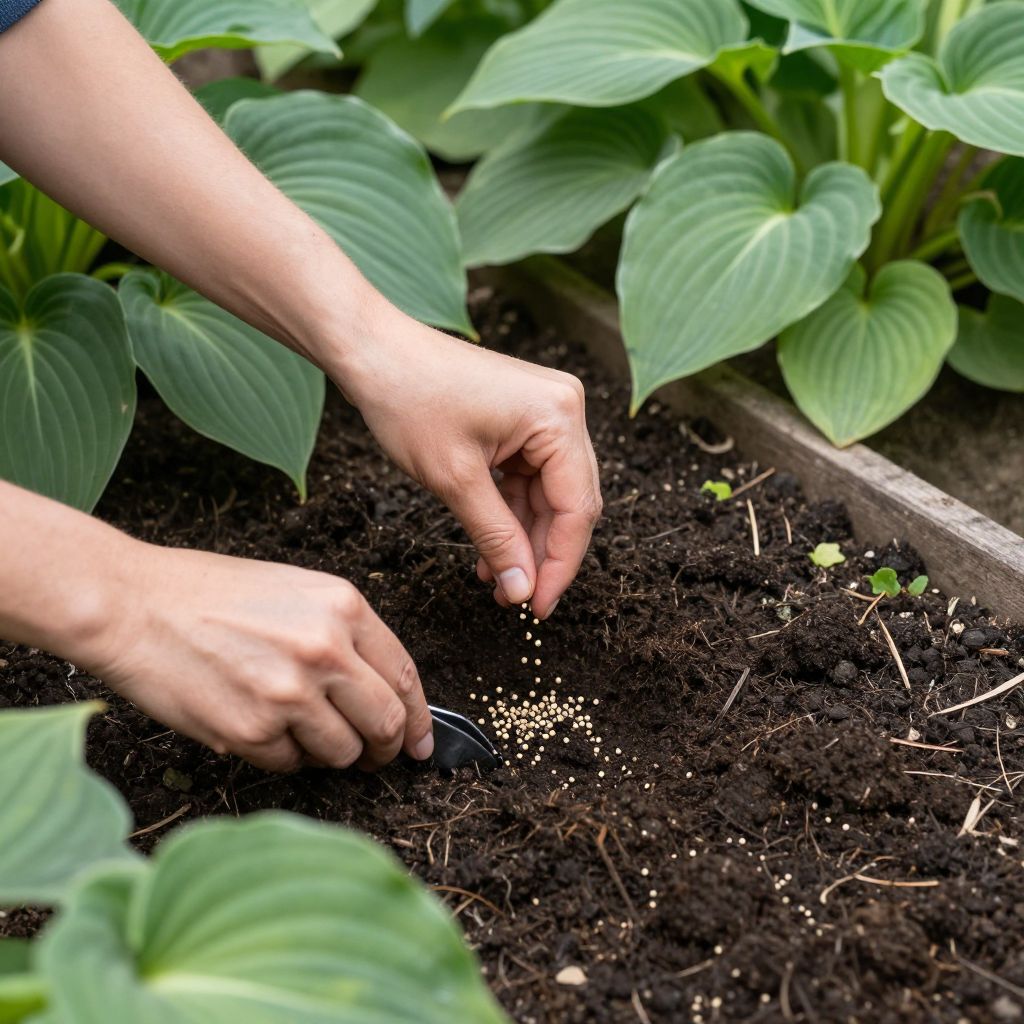
Can you plant hosta seeds directly in the ground? Yes, you can, but it is usually not the easiest or fastest way to grow hostas. Direct sowing can work if you have fresh seed, suitable weather, and a patient approach, but germination is often uneven and seedlings take years to become full plants.
If you want reliable results, it helps to understand how hosta seeds behave outdoors, what soil they need, and when direct sowing makes sense. With the right timing and a little protection, you can give those seeds a fair start and avoid the most common mistakes.
Can you plant hosta seeds directly in the ground?
Yes, hosta seeds can be sown directly outdoors, but success depends on fresh seed, moist soil, and the right season. They usually germinate best after a period of cold, and seedlings are slow to mature. Direct sowing is possible, but many gardeners get better control by starting seeds in pots or trays.
How hosta seeds grow outdoors
Hostas are perennial shade plants, and their seeds are tiny. In nature, they often drop near the parent plant and experience winter cold before sprouting in spring.
That means direct sowing can work when you mimic those conditions. The main challenge is that outdoor seedbeds are exposed to drying, heavy rain, birds, slugs, and weeds.
What to expect from seed-grown hostas
- Germination is often uneven.
- Seedlings may not resemble the parent plant if the seed came from a hybrid hosta.
- Young plants grow slowly and need patience.
- It may take several seasons before plants look established.
When direct sowing makes sense
Direct sowing is most practical if you have a shady outdoor bed with loose, well-drained soil and you are not in a hurry. It can also work well if you are sowing a larger number of seeds and want to let nature handle part of the process.
It is less suitable if your soil crusts hard, dries quickly, or stays waterlogged. In those cases, indoor sowing or sowing in pots gives you better control.
Best conditions for outdoor sowing
- Light shade or dappled shade, not hot afternoon sun.
- Moist, friable soil that drains well.
- A location protected from wind and harsh drying.
- Reasonable weed control so seedlings are not crowded out.
How to plant hosta seeds directly in the ground
If you decide to sow hosta seeds outdoors, prepare the bed carefully. Tiny seeds need close contact with fine soil and steady moisture, not deep planting.
- Choose a shady or partly shaded bed. Avoid full sun, especially in warm climates.
- Clear weeds and debris. Seedlings are easy to lose among competing plants.
- Loosen the top layer of soil. Work in a little compost if the soil is poor, but keep the texture fine and crumbly.
- Sow the seeds on the surface or barely cover them. Hostas have small seeds, so a very light dusting of fine soil or sifted compost is enough.
- Water gently. Use a fine spray so you do not wash the seeds away.
- Mark the area. Label the spot so you do not disturb it later.
- Keep the soil evenly moist. Do not let the seedbed dry out completely.
How deep should hosta seeds be planted?
Hosta seeds should be planted very shallowly. In most cases, a light covering of soil is enough, or you can press them into the soil surface and cover them lightly. Deep planting can reduce germination because the seedlings are too small to push through heavy soil.
Timing matters: when to sow hosta seeds outside
Because hosta seeds often benefit from cold exposure, many gardeners sow them outdoors in late fall or winter so natural weather can help break dormancy. In milder climates, that may mean sowing later in the season and letting the seeds experience winter conditions.
In colder climates, direct sowing is often most successful when the seedbed is protected from erosion and extreme drying. In warmer areas, you may need to provide artificial cold stratification or sow in containers if winters are too mild to trigger sprouting well.
Adapt to your local climate
- If winters are cold enough, sow in fall and let nature do the stratifying.
- If winters are mild, consider chilling seed before sowing or starting indoors.
- If spring weather turns hot quickly, sow early enough that seedlings are not stressed by heat.
Soil, compost, and drainage for hosta seedlings
Hosta seedlings need soil that holds moisture without becoming soggy. A rich loam with added organic matter is ideal, especially in shaded beds where soil can become compacted over time.
Compost improves texture and helps the soil stay evenly moist, but too much heavy material can make the bed dense. If your soil is clay-heavy, mix in compost and keep the surface loose. If your soil is sandy, compost helps it retain water longer.
What to avoid
- Hard, crusting soil that blocks tiny seedlings.
- Waterlogged spots where seeds rot.
- Fresh manure or strong amendments that may be too rich for delicate seedlings.
- Thick mulch directly over newly sown seed.
Watering newly sown hosta seeds
Moisture is one of the biggest factors in whether direct sowing works. The seedbed should stay consistently damp, not soaked. If the surface dries out during germination, the seeds may fail before they sprout.
Use a gentle watering method such as a watering can with a fine rose or a light hose spray. In dry weather, check the bed often, especially if the seeds are in a shallow, exposed area.
Simple moisture rule
Think “evenly moist like a wrung-out sponge.” If the soil feels dusty and dry, water. If it feels muddy or stays shiny wet for long periods, improve drainage before sowing again.
Sunlight and shade for young hostas
Hostas are known for shade tolerance, and seedlings are more comfortable in filtered light than in strong sun. Morning sun with afternoon shade can work in cooler regions, but hot sun can scorch tender growth and dry the seedbed too quickly.
As the plants grow, they still prefer protection from intense midday heat. A shady bed under deciduous trees or along a north- or east-facing border is often a good fit.
Protecting seeds and seedlings outdoors
Direct-sown hosta seeds face more threats outdoors than they do in pots. Slugs, snails, birds, heavy rain, and weed competition can all reduce success.
Practical protection tips
- Use a fine mesh or lightweight cover if birds are a problem.
- Watch for slugs and snails, especially in damp shade.
- Keep the bed weed-free so seedlings are not shaded out.
- Shield the area from heavy runoff that can wash seeds away.
If slugs are common in your garden, inspect the bed regularly. Young hosta seedlings are especially vulnerable because they are small and tender.
Common problems when planting hosta seeds in the ground
Most failures come from one of a few predictable issues. The good news is that each one has a practical fix.
Seeds do not germinate
This may happen if the seed is old, buried too deeply, or never experienced the cold period it needs. Fresh seed usually performs better than stored seed, and shallow sowing is essential.
Seedlings disappear
Slugs, birds, or accidental weeding often cause this. Mark the bed clearly and protect it while seedlings are small.
Seedbed dries out
Hot weather, wind, or sandy soil can dry the surface too quickly. Add compost, water more often, and consider moving future sowings to a more sheltered site.
Fungal issues or rot
Too much moisture and poor air movement can cause problems. Improve drainage, avoid crowding, and do not overwater.
Should you direct sow or start hosta seeds indoors?
Both methods can work, but they serve different goals. Direct sowing is simpler and more natural, while indoor sowing gives you more control over moisture, temperature, and protection.
- Choose direct sowing if you have a suitable shaded bed and want a low-intervention approach.
- Choose indoor sowing if your climate is very dry, your winters are mild, or you want to monitor germination closely.
- Choose pots outdoors if you want some of the control of indoor sowing without bringing everything inside.
After germination: caring for young hostas
Once seedlings emerge, keep the soil evenly moist and remove weeds carefully. Do not rush to fertilize heavily; young hostas usually do best with steady moisture and gentle care rather than strong feeding.
As seedlings grow, thin them if they are crowded. Good spacing improves airflow and reduces competition for water and nutrients.
Transplanting seedlings later
If you started them in a seedbed, you may eventually need to move them to a more permanent spot. Transplant on a cool, cloudy day if possible, and water well afterward so the roots can settle in.
Long-term hosta care in the garden
Established hostas are generally low-maintenance, but they still benefit from a few basics: consistent moisture, mulched soil, and protection from pests. A layer of organic mulch helps conserve moisture and suppress weeds, but keep it a little away from the crown.
In colder areas, hostas die back naturally in fall. You can remove old foliage after it yellows and collapses, which helps keep the bed tidy and may reduce overwintering pests.
Final thoughts
So, can you plant hosta seeds directly in the ground? Yes, and it can work well if you sow shallowly, keep the soil moist, and give the seeds a cool seasonal cycle. For the best results, use a shady, well-drained bed and protect the area while seedlings are tiny.
If you want to keep learning about shade gardening, consider reading more about hosta care, shade bed soil preparation, and ways to manage slugs and snails in moist garden areas.