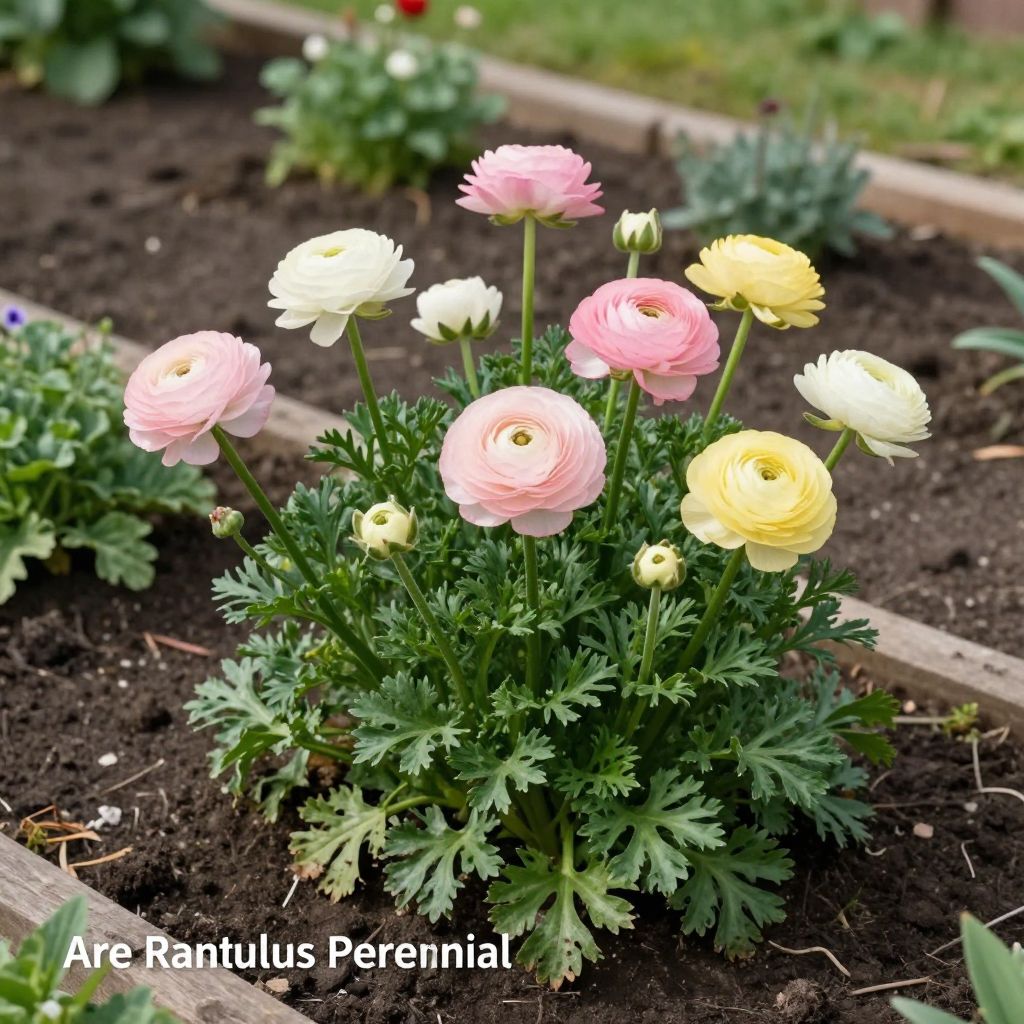
Are ranunculus perennial? It depends on your climate and how you grow them. In many gardens, ranunculus are treated as cool-season bulbs or corms that may return in mild regions, but they often behave as short-lived perennials or seasonal plants where winters are cold or summers are hot.
If you want reliable blooms, the key is understanding how Ranunculus asiaticus grows, what it needs to survive, and when it is better to lift, store, or replant the corms. With the right care, you can enjoy their rose-like flowers year after year in the right conditions.
Are ranunculus perennial?
Ranunculus can be perennial in mild, frost-free or lightly frosty climates, but in many home gardens they are grown as cool-season plants and replanted each year. Their corms may survive dormancy if summers are dry and winters are not severe, yet they often decline after one or two seasons unless conditions are ideal.
What kind of plant is ranunculus?
Garden ranunculus usually refers to Ranunculus asiaticus, a cool-season flowering plant grown from claw-like corms. It is prized for layered, papery blooms in spring and early summer, and it performs best when roots grow in cool soil and the top growth gets plenty of light.
Corm, not true bulb
Ranunculus are often called bulbs, but they are actually corms. That matters because corms store energy differently and are more sensitive to rot if soil stays wet for too long.
Why that affects longevity
Because the corms need a dry dormant period and a cool growing season, they do not always behave like dependable long-lived perennials. In warm, wet, or very cold climates, they are more likely to be treated as seasonal plants.
When do ranunculus come back year after year?
Ranunculus are most likely to return in regions with mild winters, cool springs, and dry summers. They can persist outdoors where the soil drains well and the corms are not exposed to prolonged freezing or heat stress. In harsher climates, they may bloom once and then need replanting.
Climate matters more than the calendar
- Cool, mild climates: Better chance of perennial behavior.
- Wet winters: Higher risk of corm rot.
- Hot summers: Plants often go dormant early and may not return strongly.
- Hard freezes: Corms usually need protection or lifting.
If you are unsure whether your area is suitable, watch how the plant behaves after flowering. Healthy foliage that yellows naturally and corms that stay firm are good signs, while mushy corms or weak regrowth usually mean the plant will not reliably perennialize outdoors.
How to grow ranunculus for the best chance of return
To encourage ranunculus to survive beyond one season, give them the growing conditions they naturally prefer. That means excellent drainage, cool temperatures during active growth, and careful watering that avoids soggy soil.
1. Choose the right site
- Full sun in cool climates is ideal.
- Light afternoon shade can help in warmer regions.
- Pick a spot with fast-draining soil or raised beds.
- Avoid low areas where water collects after rain.
2. Prepare the soil
Ranunculus grow best in loose, fertile soil that drains well. Mix in compost to improve structure, but avoid making the bed overly rich or heavy. If your soil is clay-based, consider raised beds or containers so the corms do not sit in wet ground.
A slightly sandy loam is often ideal. The goal is to keep moisture available without trapping excess water around the corms.
3. Plant at the right depth
Plant corms with the claw-like side facing down, if you can identify it, and cover them with a few inches of soil. In general, avoid planting too deeply, since deep planting can slow emergence and increase rot risk in heavy soil.
4. Water carefully
Water after planting to settle the soil, then keep it lightly moist as growth begins. Once established, ranunculus prefer even moisture but not constant wetness. Let the top layer of soil dry slightly between waterings, especially in cool weather.
5. Feed lightly
If your soil is poor, a light application of compost at planting time is usually enough to start. Overfeeding can encourage soft growth and reduce flower quality. In most home gardens, moderate fertility is better than heavy fertilizing.
Should you leave ranunculus in the ground?
You can leave ranunculus in the ground if your climate is mild and the soil drains well. In colder or wetter regions, lifting and storing the corms after the foliage dies back is often the safer choice. This gives you better control over rot, freezing, and dormancy.
Leave them in place if:
- Winters are mild and not deeply freezing.
- Your soil drains quickly after rain.
- The plants have returned successfully before.
- Summer heat does not bake the bed for long periods.
Lift and store them if:
- Your winters are cold or your soil stays wet.
- The corms often rot in the ground.
- You want to reset the planting area for another crop.
- You live in a region with very hot, humid summers.
How to overwinter ranunculus corms
If you want to try growing ranunculus as a returning plant, overwintering the corms properly is essential. The main goal is to keep them dry, cool, and protected from rot or freezing damage.
- Wait until the foliage yellows and dies back naturally.
- Carefully lift the corms with a fork or trowel.
- Brush off excess soil and let them dry in a shaded, airy place.
- Remove any soft, damaged, or rotting pieces.
- Store in a breathable container with dry peat-free material, paper, or mesh.
- Keep them in a cool, dry location until replanting time.
Do not store corms while they are damp. Moisture during storage is one of the fastest ways to lose them to rot.
Do ranunculus need pruning or deadheading?
Deadheading helps ranunculus keep blooming longer, and it also prevents the plant from wasting energy on seed production. Remove faded flowers regularly, and cut stems cleanly back to a healthy leaf or side shoot.
What to remove
- Spent blooms as soon as petals fade.
- Yellowing or damaged leaves if they are clearly declining.
- Any diseased tissue to reduce spread.
After flowering ends, allow the foliage to remain until it yellows naturally. Those leaves feed the corm for next season, so cutting them too early can weaken future growth.
Common problems that prevent ranunculus from returning
When ranunculus fail to come back, the cause is usually environmental rather than a care mistake alone. The most common issues are rot, heat stress, freezing, and poor drainage.
Rotting corms
Soft, mushy corms usually point to too much moisture. Improve drainage, water less often, and avoid planting in compacted soil.
Weak or no bloom the second year
Sometimes the corm survives but is too depleted to flower well. This can happen if the plant was cut back too early, grown in poor light, or stressed by heat.
Foliage but no flowers
If you get leaves but few blooms, the plant may be receiving too much nitrogen, too little sun, or inconsistent moisture. Aim for balanced conditions rather than pushing growth.
Pests and diseases
- Aphids: Can cluster on new growth and buds.
- Slugs and snails: May chew tender shoots in damp weather.
- Powdery mildew: More likely if air circulation is poor.
- Botrytis and other rots: Often linked to wet, crowded conditions.
Good spacing, clean tools, and avoiding overhead watering in the evening can reduce many of these issues.
Can you propagate ranunculus?
Ranunculus are usually propagated by dividing or replanting the corms that form around the original planting. In the home garden, this is the most practical way to repeat a favorite plant. Seed propagation is possible, but it is slower and less predictable for most gardeners.
Best propagation approach for home gardeners
- Lift and inspect corms after dormancy.
- Separate healthy offsets if they have formed.
- Replant only firm, undamaged pieces.
- Discard anything soft, shriveled, or moldy.
If you are trying to keep a particular ranunculus strain going, remember that success depends on the health of the stored corms and the growing conditions you provide the next season.
Growing ranunculus in containers
Containers can be a smart choice if your garden soil is heavy or wet. Pots let you control drainage, move plants out of harsh weather, and manage dormancy more easily.
Container tips
- Use a pot with drainage holes.
- Choose a free-draining potting mix.
- Do not overcrowd the corms.
- Water carefully, since pots dry out faster than garden beds.
- Move containers to shelter if severe frost or prolonged rain is expected.
Container-grown ranunculus may still not behave as true long-lived perennials, but they are often easier to overwinter and replant than in-ground specimens.
How to tell if your ranunculus is perennializing
You can judge the plant’s long-term potential by how it behaves through the season. If it flowers well, foliage dies back naturally, and the corms remain firm through dormancy, you have a better chance of seeing it return.
Signs of promise include strong spring growth, good bloom production, and healthy corms after lifting. Signs of decline include early collapse, blackened tissue, and poor regrowth the following season.
Practical takeaways for gardeners
Ranunculus are not dependable perennials in every garden, but they can return in the right climate and with careful handling. The best strategy is to treat them as cool-season plants that may perennialize, rather than assuming they will always survive on their own.
If you want the best results, focus on drainage, cool growing conditions, and proper dormancy. Then decide whether to leave the corms in place or lift and store them based on your local weather and soil.
For more on cool-season flowers and bulb-like plants, you may also find related gardening reading helpful, especially on spring-flowering bulb care and how to improve garden drainage.